
Miso Glazed Eggplant Recipe
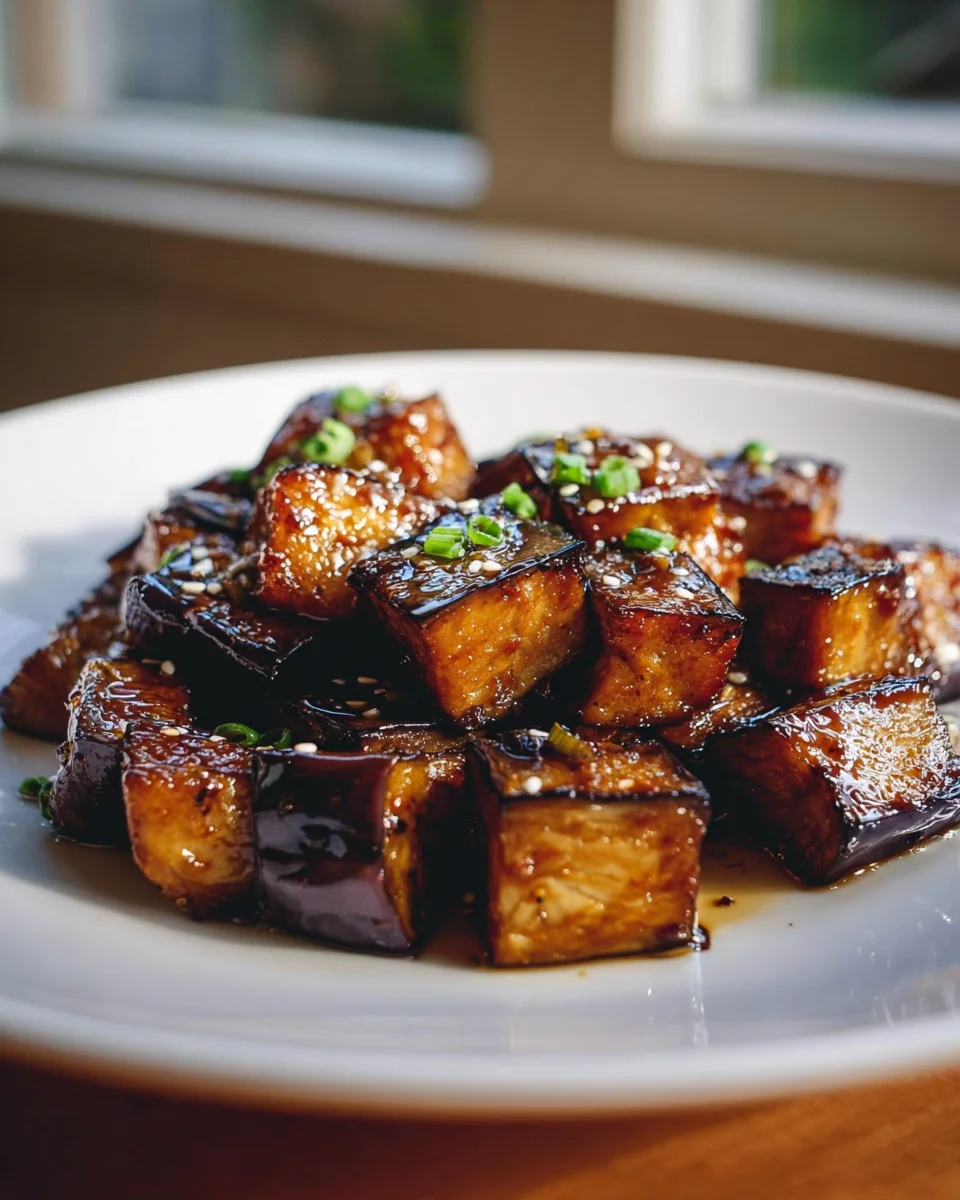
Oh my goodness, if you’re looking for a dish that will absolutely blow your mind with flavor while keeping things simple and wholesome, then you’ve landed on the right page! I am so excited to share my go-to Miso Glazed Eggplant Recipe with you. This isn’t just any eggplant dish; it’s a symphony of textures and tastes that will quickly become a cherished part of your culinary repertoire. What makes this recipe truly special is the incredible depth of umami from the savory miso, perfectly balanced with a touch of sweetness, all coating tender, caramelized eggplant. You’re going to love how effortlessly this dish comes together, transforming humble eggplant into something truly extraordinary that feels incredibly gourmet, yet is surprisingly easy to achieve at home. We’re talking about slices of beautifully tender eggplant, brushed generously with a rich, flavorful, non-alcoholic miso glaze, and then roasted or broiled to golden, sticky perfection, creating a dish that’s slightly crispy on the outside and melt-in-your-mouth soft on the inside. It’s perfect as a show-stopping side dish, a light vegetarian main, or even as part of a larger Japanese-inspired meal.
Ingredient Notes
Creating the perfect Miso Glazed Eggplant starts with understanding the role each ingredient plays. I’ve found that using quality ingredients truly elevates this dish from good to absolutely incredible!
- Eggplant: I highly recommend using Japanese or Chinese eggplants if you can find them. They tend to be thinner, have fewer seeds, and a more tender skin, meaning less prep work like peeling. Their texture is fantastic when cooked. If you’re using a larger globe eggplant, don’t worry! Just be sure to slice it into rounds or half-moons about ½ to ¾ inch thick. For globe eggplants, a trick I often use is to lightly salt the slices and let them sit for about 15-20 minutes. This draws out excess moisture and some bitterness, giving you a creamier, less watery final product. Pat them dry thoroughly before cooking!
- Miso Paste: This is the heart of our glaze! I personally love using a white (shiro) miso paste for this recipe. It’s milder, sweeter, and gives a beautiful golden color to the glaze. An “awase” (mixed) miso can also be used for a slightly deeper, more complex umami flavor, but it might be a bit saltier, so you might want to adjust the soy sauce slightly. Red miso is generally too strong for this delicate dish, in my opinion.
- Mirin: This sweet rice seasoning is crucial for the glaze’s characteristic sweetness and shiny finish. Since we’re avoiding alcohol, make sure to look for a non-alcoholic mirin or “aji-mirin” (mirin-like seasoning) which is readily available in most Asian supermarkets and even many regular grocery stores. If you absolutely can’t find it, a good substitute would be a mix of two parts white grape juice and one part rice vinegar, with a pinch of sugar.
- Soy Sauce: For that essential umami and salty balance. I usually opt for a low-sodium soy sauce so I can control the saltiness myself without sacrificing flavor. If you’re gluten-free, tamari works perfectly as a substitute.
- Sugar: A little extra granulated sugar or light brown sugar helps achieve that perfect balance of sweet and savory, and also aids in caramelization for a beautiful glaze. Adjust to your sweetness preference.
- Sesame Oil: Just a touch of toasted sesame oil in the glaze adds a wonderful nutty aroma and depth of flavor that complements the miso beautifully.
- Fresh Ginger & Garlic: While optional, I find that finely minced fresh ginger and garlic add a fantastic aromatic layer to the glaze, elevating the overall taste profile. A little goes a long way here.
- Oil for Cooking: A neutral high-heat oil like vegetable, canola, or grapeseed oil is best for cooking the eggplant. You could also use a bit of sesame oil for extra flavor if you like.
- Garnish: Toasted sesame seeds and thinly sliced green onions are my go-to garnishes. They add texture, freshness, and a pop of color.
Step-by-Step Instructions
Cooking Miso Glazed Eggplant is a surprisingly simple process, but following these steps will ensure you get that perfectly tender, flavorful result every time. I always find it therapeutic to go through these motions!
- Prepare the Eggplant: First things first, wash your eggplants thoroughly. If you’re using Japanese or Chinese eggplants, simply trim the ends and slice them lengthwise into halves or into 1-inch thick rounds. If you’re using globe eggplant, slice it into ¾-inch thick rounds or half-moons. Now, this is a crucial step for maximum flavor absorption: using a sharp knife, score the flesh side of each eggplant piece in a crosshatch pattern, being careful not to cut through the skin. This allows the heat to penetrate evenly and the glaze to seep deep into the flesh. If you salted your globe eggplant earlier, make sure to pat it very dry with paper towels before proceeding.
- Whisk the Miso Glaze: In a medium bowl, combine your miso paste, non-alcoholic mirin, soy sauce, sugar, toasted sesame oil, and if using, the minced fresh ginger and garlic. Whisk vigorously until the mixture is completely smooth and uniform. This glaze is truly the star of the show, so make sure it’s well combined! Taste it and adjust the sweetness or saltiness to your liking.
- Cook the Eggplant to Tender Perfection: Heat a large skillet or non-stick pan over medium-high heat with a generous drizzle of your cooking oil (about 1-2 tablespoons). Once the oil is shimmering, carefully place the eggplant pieces flesh-side down in a single layer, ensuring not to overcrowd the pan. You might need to do this in batches. Cook for about 4-6 minutes per side, or until the eggplant is beautifully golden brown, caramelized, and very tender. It should yield easily when poked with a fork. If you prefer a less oily method, you can also bake the eggplant: preheat your oven to 400°F (200°C), brush the eggplant with oil, and bake for 20-25 minutes, flipping halfway, until tender. Alternatively, an air fryer at 375°F (190°C) for 15-20 minutes, shaking halfway, works wonderfully too!
- Glaze and Caramelize: Once your eggplant is tender, turn the heat down to low-medium. Generously brush the prepared miso glaze over the cooked flesh of each eggplant piece. If you’re using a pan, let it cook for another 1-2 minutes, allowing the glaze to lightly caramelize and thicken. If you baked your eggplant, you can brush on the glaze and return it to the oven under the broiler for 2-3 minutes, watching carefully to prevent burning, until the glaze is bubbly and slightly browned. This step gives it that irresistible sticky, sweet, and savory finish.
- Serve Immediately: Arrange the Miso Glazed Eggplant on a serving platter. I love to sprinkle generously with toasted sesame seeds and fresh thinly sliced green onions. Serve hot and enjoy!
Tips & Suggestions
Over the years of making this dish, I’ve picked up a few tricks that really make a difference. These aren’t just steps; they’re little secrets to truly nailing that perfect Miso Glazed Eggplant experience!
- Don’t Rush the Eggplant Cooking: The key to delicious eggplant is getting it truly tender. If it’s still firm, it won’t absorb the glaze properly and the texture won’t be as pleasant. Take your time to cook it until it’s soft and slightly collapses. This often means using a good amount of oil for pan-frying, as eggplant is like a sponge! Don’t be afraid to add a little more oil if it looks dry.
- Achieve the Perfect Glaze Consistency: If your miso glaze seems a little too thick, you can thin it out with a tiny splash of water or a bit more non-alcoholic mirin until it reaches a brushable consistency. If it’s too thin, a pinch more miso paste or sugar can help thicken it slightly, though it will naturally thicken on the hot eggplant.
- Broiling for a Finish (Oven Method): If you’re baking your eggplant, finishing it under the broiler after applying the glaze is a game-changer. It creates a beautiful, bubbly, slightly charred crust on the glaze that is simply irresistible. Just watch it like a hawk – miso glaze can burn quickly under high heat!
- Adjust Sweetness and Saltiness: Miso pastes vary in their saltiness, and everyone has different preferences for sweetness. Don’t hesitate to taste your glaze before brushing it on and adjust with more sugar or a tiny squeeze of lime juice for brightness, or even a tiny bit more miso if you want more umami.
- Serving Suggestions: Miso Glazed Eggplant is incredibly versatile. It shines as a stand-alone side dish, but it’s also wonderful alongside a bowl of fluffy steamed rice, forming a light and satisfying meal. I also love serving it with grilled beef, pan-seared tofu, or even stirred into a bowl of noodles. It’s fantastic with a sprinkle of shichimi togarashi (Japanese seven-spice blend) for a bit of heat.
- Experiment with Eggplant Types: While I prefer Japanese or Chinese eggplant for their tenderness, feel free to try other varieties like Fairy Tale or Graffiti eggplant. Just remember to adjust cooking times based on their size and thickness.
Storage
While Miso Glazed Eggplant is definitely best enjoyed fresh and hot right off the pan, sometimes you might have leftovers, or perhaps you want to make a batch ahead of time. Here’s how I handle storage to keep it as delicious as possible:
- Cooling: First, allow any leftover Miso Glazed Eggplant to cool down completely to room temperature before storing. This helps prevent condensation from forming inside the container, which can make the eggplant soggy.
- Refrigeration: Transfer the cooled eggplant to an airtight container. It will keep well in the refrigerator for up to 3-4 days. I find that the flavors tend to meld even more after a day, though the texture might soften slightly.
- Reheating:
- Oven/Toaster Oven (Recommended): This is my preferred method for reheating, as it helps restore some of the eggplant’s original texture and re-caramelizes the glaze beautifully. Preheat your oven or toaster oven to 300°F (150°C). Place the eggplant on a baking sheet and heat for about 10-15 minutes, or until warmed through and the glaze is bubbly again.
- Skillet: You can also reheat the eggplant in a non-stick skillet over medium-low heat. Add a tiny splash of water or oil to the pan, cover, and gently warm for about 5-7 minutes, flipping once, until heated through. Be careful not to burn the glaze.
- Microwave: While convenient, the microwave is generally my last resort for this dish. It will warm the eggplant, but the texture can become a bit softer and the glaze won’t re-caramelize. Heat in 30-second intervals until warmed through.
- Freezing: I don’t typically recommend freezing Miso Glazed Eggplant. The eggplant’s texture can become very watery and mushy upon thawing, and the glaze might lose some of its vibrant flavor. It’s truly a dish best enjoyed fresh or from the fridge.
Final Thoughts
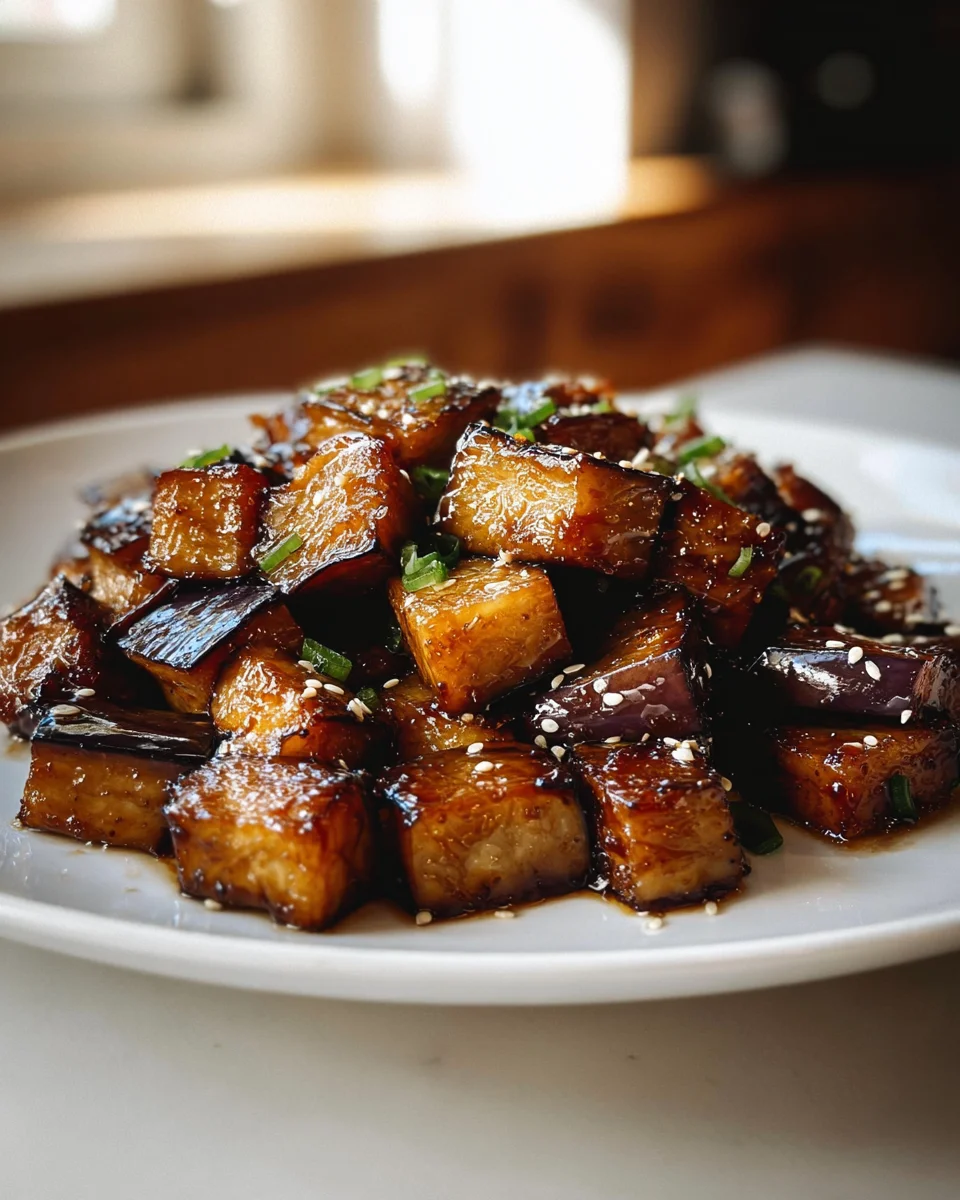
There you have it! I truly believe the Miso Glazed Eggplant Recipe is more than just a dish – it’s an experience. The way the rich, savory umami of the miso beautifully melds with the natural sweetness and tender texture of the caramelized eggplant is simply magical. It transforms a humble vegetable into something incredibly special and satisfying, proving that plant-based cooking can be absolutely bursting with flavor and sophistication.
Whether you’re searching for an impressive side dish to complement your favorite beef entree, a delightful vegetarian main course, or just a simple, delicious way to enjoy eggplant, the Miso Glazed Eggplant Recipe is your answer. It’s surprisingly easy to achieve such depth of flavor, making it a perfect addition to your culinary repertoire. I really hope you give it a try; I promise your taste buds will thank you!




Leave a Comment