
One of my fondest childhood memories is from a rainy Saturday afternoon spent in my grandmother’s kitchen. The aroma of sizzling vegetables and savory sauces wafted in the air, mingling with the sound of raindrops tapping against the window. That day, she taught me how to make Cantonese Chow Mein, a dish that felt like a warm embrace on a dreary day. The vibrant stir-fried noodles, adorned with colorful bell peppers, tender beef strips, and crisp bean sprouts, was a feast for the eyes and the palate.
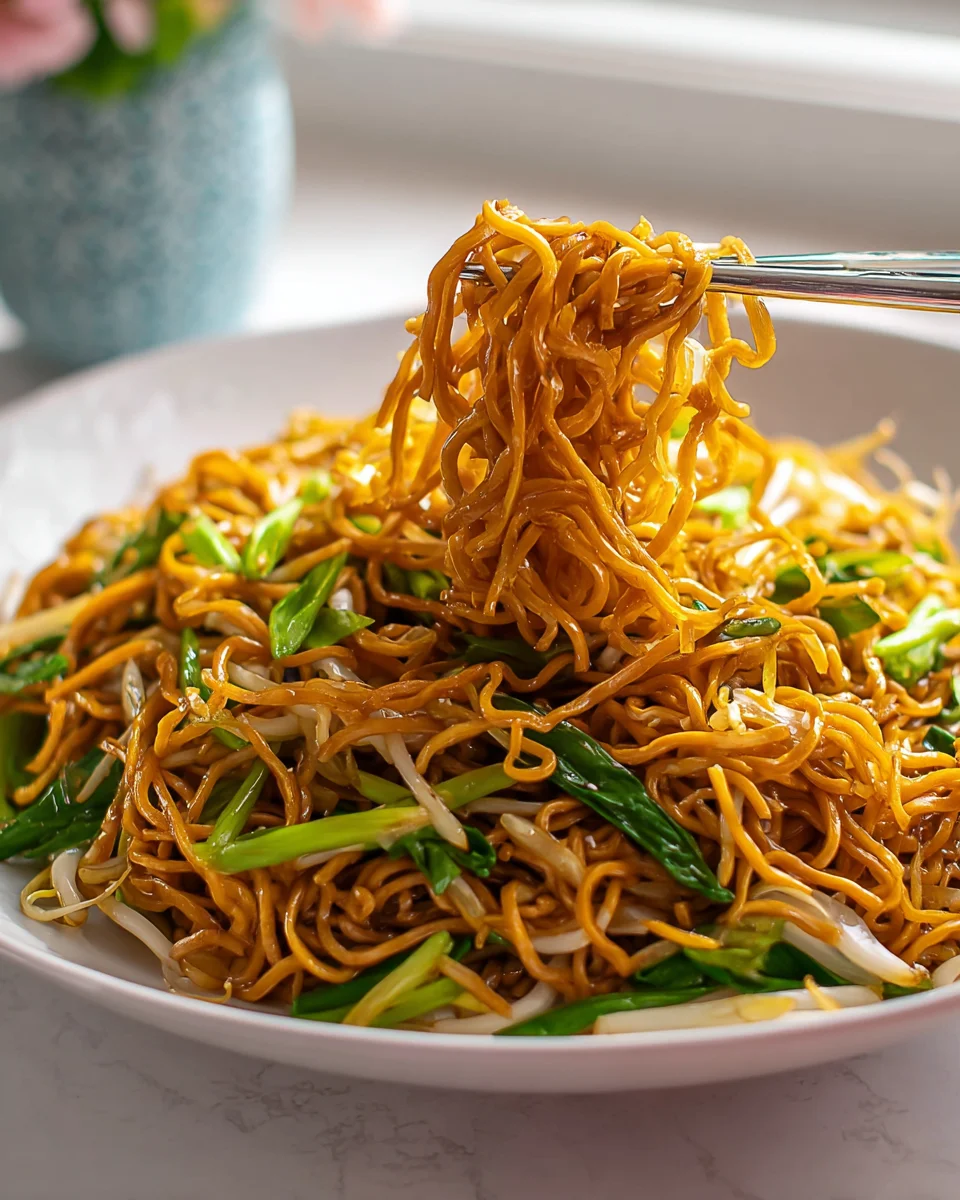
Cantonese Chow Mein is a symphony of flavors and textures. Each bite offers the satisfying crunch of perfectly cooked vegetables, the chewy delight of golden, stir-fried noodles, and the rich umami from the sauce that clings to everything like a comforting hug. The sweet and savory balance makes it a dish you crave time and time again.
What makes my version of Cantonese Chow Mein special is the way I infuse it with a touch of nostalgia, using my grandmother’s secrets while also adding my own twist. I use tender beef slices marinated in a savory blend of soy sauce and ginger, and I make sure to add plenty of fresh veggies for that perfect crunch. It’s a dish that connects generations and brings everyone together around the table.
Let me show you exactly how to make it.
Why You’ll Love This Recipe
- Ready in under 15 minutes, making it perfect for weeknight dinners when time is tight.
- The chow mein noodles turn irresistibly crispy, providing a delightful texture that you can’t achieve with takeout.
- Balanced flavors from the sweet and savory sauce elevate this dish, ensuring a satisfying taste experience with every bite.
- Budget-friendly with simple ingredients that you can easily find in your local grocery store.
- Flexibility to customize with your favorite vegetables or proteins, allowing for endless variations to suit your taste.
Ingredients
- 12 oz chow mein egg noodles (thin fresh noodles, Hong-Kong style)
- 1/2 small yellow onion (thinly sliced)
- 5 stalks green onions (cut into 2-inch pieces, whites and greens divided)
- 2 cups bean sprouts
- 3 tablespoons corn oil (or any neutral oil)
- 1 teaspoon sesame oil (to finish)
- 2 tablespoons dark soy sauce
- 1 tablespoon regular soy sauce
- 1 tablespoon oyster sauce
- 1/2 teaspoon fish sauce
- 1 tablespoon granulated sugar
- 1 tablespoon water
Let’s delve into some key ingredients that make this dish a standout. The chow mein egg noodles are the star of the show, providing a chewy texture that contrasts beautifully with the crispy parts. Be sure to choose thin, fresh noodles rather than dried, as they cook quickly and absorb the sauce better. If you can’t find egg noodles, you can substitute them with thin rice noodles, although the flavor and texture will change slightly.
The sauce is where the magic happens, combining dark soy sauce for a rich, deep flavor, regular soy sauce for saltiness, and oyster sauce that adds a slight sweetness and umami punch. If you’re looking for a vegetarian option, you can replace the oyster sauce with a mushroom-based sauce. This blend of sauces creates a beautifully balanced taste that permeates the noodles and vegetables.
Step-by-Step Instructions
- Cook the noodles. Pour boiling water over your chow mein noodles in a large bowl and soak for 30 seconds to 1 minute until softened. Drain and set aside. Avoid soaking them too long, as they can become mushy.
- Make the sauce. In a small mixing bowl, add the dark soy sauce, regular soy sauce, oyster sauce, fish sauce, sugar, and water. Mix until the sugar has completely dissolved. This is your flavor base, so ensure the sugar is fully integrated.
- Sauté aromatics. Heat one tablespoon of corn oil in a wok over medium-high heat until hot (you should see a shimmer). Add the sliced onions and the white parts of the green onions, sautéing for 1 minute until they are fragrant and slightly softened. Remove and set aside to prevent overcooking.
- Pan-fry the noodles. In the same wok, add another tablespoon of corn oil and heat over medium-high for about 2 minutes until shimmering. Add the soaked noodles, spreading them into a thin layer to crisp up. Cook for 2 minutes without stirring. Flip the noodles carefully, adding one tablespoon of oil around the perimeter of the pan, and cook for an additional 2 minutes until crispy. Avoid stirring too much during frying to achieve that perfect crispiness.
- Add the vegetables and sauce. Once the noodles are golden and crispy, add the sautéed onions, green parts of the green onions, bean sprouts, and prepared sauce. Gently mix everything together for 1-2 minutes until all ingredients are well combined. Taste and adjust seasoning as needed.
- Serve. Remove the wok from heat, drizzle with sesame oil, and toss everything to combine. Serve immediately while hot, garnished with extra green onions if desired. Enjoy the contrast of textures and flavors right away!
Pro Tips for the Best Cantonese Chow Mein
- Use a well-seasoned wok or a non-stick pan for the best results. This prevents sticking and allows for even cooking.
- A common mistake is overcooking the noodles during soaking. Keep an eye on them, as they should only be soaked until softened but still firm to the bite.
- Don’t skip the sesame oil at the end; it adds a fragrant finish that elevates the dish significantly.
- For an even more authentic taste, consider adding a pinch of white pepper or a dash of chili oil for heat.
- Experiment with the ratio of sauces to suit your taste. If you prefer a sweeter profile, increase the sugar or oyster sauce slightly.
Variations & Serving Ideas
If you’re looking to switch things up, consider these variations:
1. For a vegetarian version, omit the oyster sauce and fish sauce, and add more vegetables like bell peppers or mushrooms.
2. To make it a protein-packed meal, toss in sliced chicken, shrimp, or tofu during the sautéing step.
3. Add seasonal vegetables like snap peas or bok choy for freshness and crunch.
As for sides, Cantonese Chow Mein pairs beautifully with spring rolls for a crunchy appetizer, hot and sour soup for a warming accompaniment, or a simple cucumber salad to balance the richness of the dish. The combination of flavors and textures will create a well-rounded meal!
Storage, Make-Ahead & Reheating
Leftover Cantonese Chow Mein can be stored in an airtight container in the refrigerator for up to 3 days. While it doesn’t freeze particularly well due to the texture of the noodles, if you must freeze it, store it in a freezer-safe bag for up to a month. To reheat, simply stir-fry in a hot pan for about 5-7 minutes or microwave in 1-minute intervals, stirring in between, until heated through. Interestingly, the flavors often meld together better the next day, making it even more delicious!
Frequently Asked Questions
Can I make Cantonese Chow Mein ahead of time?
Yes — in fact, it tastes even better the next day as the flavors have more time to meld together. Just store it in an airtight container in the fridge, and reheat it when you’re ready to enjoy!
What type of noodles should I use for Cantonese Chow Mein?
Ideally, you should use fresh chow mein egg noodles, as they provide the best texture and flavor. If unavailable, thin rice noodles can be a suitable substitute, though the taste will differ slightly.
Can I add protein to this recipe?
Absolutely! You can add sliced chicken, shrimp, or tofu during the sautéing step for a heartier dish. Just be sure to cook the protein through before adding the vegetables and sauce.
Is Cantonese Chow Mein gluten-free?
This version is not gluten-free due to the soy sauce and noodles. However, you can use gluten-free soy sauce and rice noodles as a substitute to make a gluten-free version.
How do I make the noodles crispier?
To achieve extra crispy noodles, ensure your wok is hot before adding the noodles, and avoid stirring them too much while cooking. Let them sit in a thin layer to develop a nice crust.
Final Thoughts
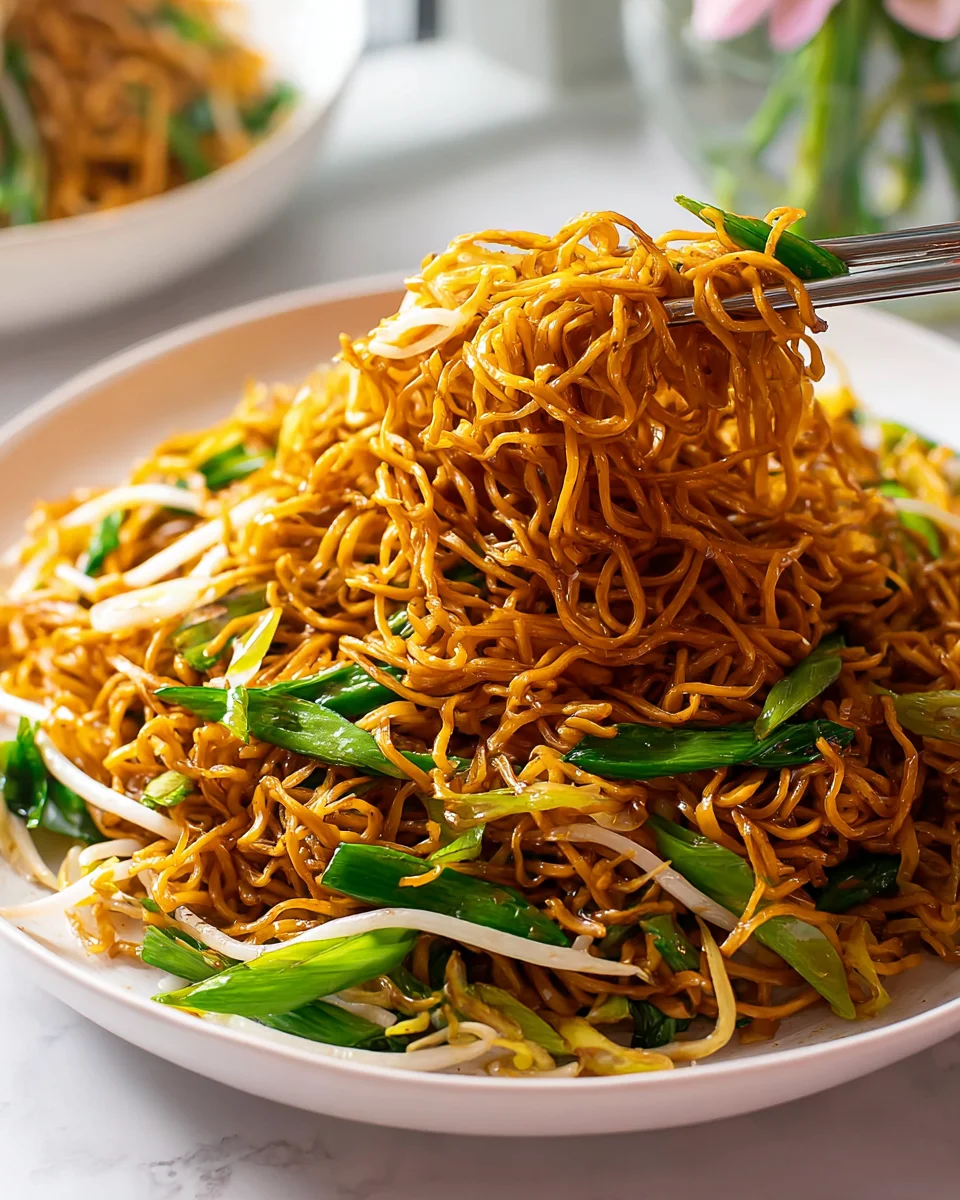
Cantonese Chow Mein is truly a culinary delight that combines crispy noodles with a medley of vibrant vegetables and tender beef, creating a satisfying dish that’s both comforting and satisfying. The balance of flavors and textures makes it a perfect choice for a weeknight dinner or a special occasion.
This is the kind of recipe I come back to again and again, especially when I’m craving something hearty yet quick to prepare. The aroma that fills the kitchen as it cooks always brings a smile to my face and reminds me of family gatherings. I encourage you to give this recipe a try! Don’t hesitate to share your results or add your own unique twist—perhaps a different protein or a splash of your favorite sauce. Enjoy the journey of creating this delicious dish!
Savory Beef Cantonese Chow Mein
- Total Time: 25 minutes
- Yield: 4 servings 1x
Description
This Cantonese Chow Mein features tender beef strips and vibrant vegetables stir-fried with crispy noodles. It’s a quick and satisfying dish that brings together rich flavors and textures.
Ingredients
- 12 oz chow mein egg noodles (thin fresh noodles, Hong-Kong style)
- 1/2 small yellow onion (thinly sliced)
- 5 stalks green onions (cut into 2-inch pieces, whites and greens divided)
- 2 cups bean sprouts
- 3 tablespoons corn oil (or any neutral oil)
- 1 teaspoon sesame oil (to finish)
- 2 tablespoons dark soy sauce
- 1 tablespoon regular soy sauce
- 1 tablespoon oyster sauce
- 1/2 teaspoon fish sauce
- 1 tablespoon granulated sugar
- 1 tablespoon water
Instructions
- Cook the noodles. Pour boiling water over your chow mein noodles in a large bowl and soak for 30 seconds to 1 minute until softened. Drain and set aside. Avoid soaking them too long, as they can become mushy.
- Make the sauce. In a small mixing bowl, add the dark soy sauce, regular soy sauce, oyster sauce, fish sauce, sugar, and water. Mix until the sugar has completely dissolved. This is your flavor base, so ensure the sugar is fully integrated.
- Sauté aromatics. Heat one tablespoon of corn oil in a wok over medium-high heat until hot (you should see a shimmer). Add the sliced onions and the white parts of the green onions, sautéing for 1 minute until they are fragrant and slightly softened. Remove and set aside to prevent overcooking.
- Pan-fry the noodles. In the same wok, add another tablespoon of corn oil and heat over medium-high for about 2 minutes until shimmering. Add the soaked noodles, spreading them into a thin layer to crisp up. Cook for 2 minutes without stirring. Flip the noodles carefully, adding one tablespoon of oil around the perimeter of the pan, and cook for an additional 2 minutes until crispy. Avoid stirring too much during frying to achieve that perfect crispiness.
- Add the vegetables and sauce. Once the noodles are golden and crispy, add the sautéed onions, green parts of the green onions, bean sprouts, and prepared sauce. Gently mix everything together for 1-2 minutes until all ingredients are well combined. Taste and adjust seasoning as needed.
- Serve. Remove the wok from heat, drizzle with sesame oil, and toss everything to combine. Serve immediately while hot, garnished with extra green onions if desired. Enjoy the contrast of textures and flavors right away!
- Prep Time: 15 mins
- Cook Time: 10 mins
- Category: Main Course
- Method: Stir-frying
- Cuisine: Chinese
Nutrition
- Serving Size: 1 serving
- Calories: 450
- Sugar: 5 g
- Sodium: 800 mg
- Fat: 20 g
- Saturated Fat: 3 g
- Unsaturated Fat: 15 g
- Trans Fat: 0 g
- Carbohydrates: 50 g
- Fiber: 3 g
- Protein: 15 g
- Cholesterol: 30 mg
Keywords: Use a well-seasoned wok or a non-stick pan for the best results. Keep an eye on the noodles while soaking to avoid overcooking, and don't skip the sesame oil at the end for added flavor.


Leave a Comment