
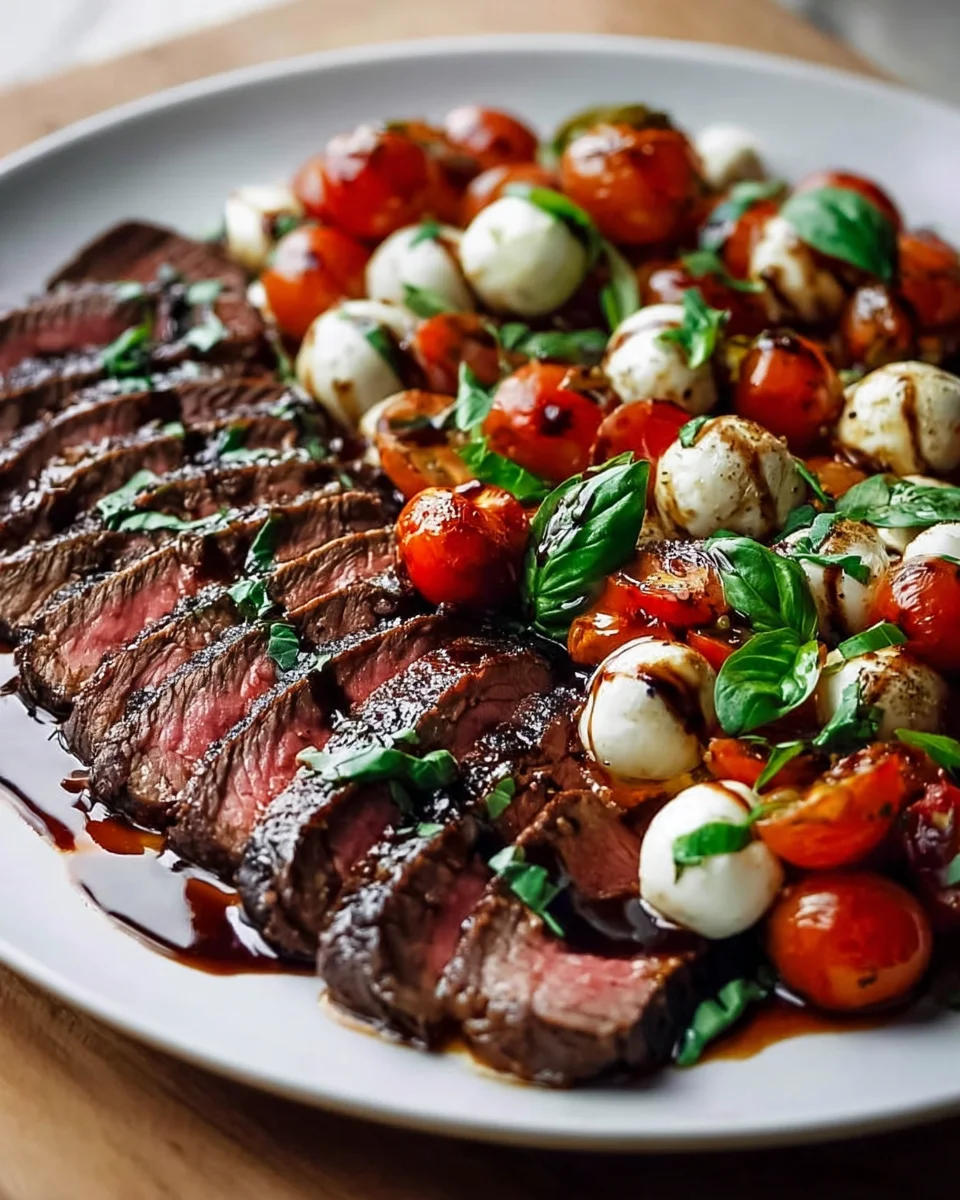
Grilled Flank Steak Caprese With Balsamic Dressing Oh, prepare yourselves, because I’ve got a recipe for you that’s going to make your taste buds sing! As someone who absolutely adores the simple perfection of a classic Caprese salad, I always wondered how to elevate it into a full, show-stopping meal. And let me tell you, friends, I’ve found it! This isn’t just a side dish; it’s the star of the show, a vibrant symphony of flavors that manages to be both incredibly fresh and deeply satisfying.
What makes this dish truly special is how it masterfully marries the smoky, savory depth of perfectly grilled beef with the bright, clean flavors of a traditional Caprese. We’re talking tender, juicy beef flank steak, sliced thin and piled high with creamy fresh mozzarella, sun-ripened tomatoes, and fragrant basil leaves. Then, it all gets a generous bath in a tangy, sweet balsamic dressing that ties every single element together in pure harmony. You’ll love this recipe because it’s surprisingly simple to put together, yet it looks and tastes like something you’d order at a fancy restaurant. It’s ideal for a quick, impressive weeknight dinner or for entertaining guests on a warm evening. This dish is bursting with color, texture, and flavor, making it a guaranteed crowd-pleaser that will leave everyone feeling satisfied and completely delighted.
Ingredient Notes
When I set out to create a dish like Grilled Flank Steak Caprese with Balsamic Dressing, I know that the quality of each individual ingredient truly shines through. This isn’t a dish where you can hide subpar components; instead, each element plays a critical role in building a fresh, vibrant, and utterly delicious experience. Here’s a closer look at what I recommend:
Flank Steak
Flank steak is my go-to for this recipe because it’s lean, flavorful, and incredibly receptive to marinades, which is key for a tender and juicy result. When you’re choosing your flank steak, look for a piece that’s relatively uniform in thickness, about ¾ to 1 inch thick. This ensures even cooking. If you find one with a slightly thicker end, you can gently pound it a bit to equalize, though it’s often not strictly necessary. Its coarse grain is what makes it so good for grilling and then slicing thinly against the grain for maximum tenderness.
Fresh Mozzarella
This is non-negotiable for a true Caprese. Forget the shredded stuff in a bag! You need fresh mozzarella, the kind packed in water. I personally love using buffalo mozzarella for its creamy texture and rich flavor, but fresh cow’s milk mozzarella works beautifully too. You can opt for a large ball that you’ll slice yourself, or for convenience, smaller balls like bocconcini or ciliegine are fantastic. They offer a great bite-sized component to the salad and often have an even creamier interior.
Ripe Tomatoes
The success of the Caprese element relies heavily on ripe, flavorful tomatoes. In the summer, I reach for heirloom tomatoes for their stunning colors and complex flavors, or sweet, juicy beefsteak tomatoes. Even vibrant cherry or grape tomatoes, halved, can create a beautiful presentation and burst of sweetness. The key is to select tomatoes that are firm but yield slightly to pressure, with a rich aroma. Avoid anything too hard or pale, as it won’t contribute the necessary sweetness and acidity.
Fresh Basil
Is it even Caprese without fresh basil? Absolutely not! This aromatic herb provides a peppery, slightly sweet, and utterly distinctive fragrance and taste that ties the whole dish together. I always pick basil with bright green, unblemished leaves. Avoid any that are wilted or discolored. The freshest basil will give your Caprese a vibrant lift that dried basil simply can’t replicate.
Balsamic Vinegar
For the dressing, a good quality balsamic vinegar is essential. You don’t necessarily need an aged, expensive bottle, but a decent quality one will have a lovely balance of sweetness and acidity. If you want to elevate the dish further, consider reducing your balsamic vinegar to create a thicker, more concentrated balsamic glaze. This adds a beautiful sheen and a more intense flavor. Even just a simple drizzle of good quality balsamic will make a huge difference.
Extra Virgin Olive Oil
A good quality extra virgin olive oil is used both in the marinade for the steak and as a key component of the balsamic dressing. Its fruity, sometimes peppery notes complement the other ingredients perfectly. Choose one you enjoy the taste of, as its flavor will be quite prominent in the finished dressing.
Seasonings for Steak and Dressing
Beyond salt and freshly ground black pepper, which are crucial for enhancing all the flavors, I like to use a simple marinade for the flank steak. My go-to includes a bit of soy sauce (or tamari for a gluten-free option), minced garlic, a splash of Worcestershire sauce, and a touch of something sweet like brown sugar or honey. These ingredients help tenderize the meat and build a fantastic umami base that pairs wonderfully with the fresh Caprese toppings.
Step-by-Step Instructions
Getting this dish just right is all about timing and technique. Here’s how I prepare my Grilled Flank Steak Caprese with Balsamic Dressing, ensuring every component is at its peak.
Step 1: Marinate the Flank Steak
First things first, let’s get that flank steak tender and flavorful. In a shallow dish or a large zip-top bag, I combine my marinade ingredients: about ¼ cup of soy sauce, 2 tablespoons of olive oil, 2 cloves of minced garlic, 1 tablespoon of Worcestershire sauce, 1 tablespoon of brown sugar (or honey), ½ teaspoon of black pepper, and a pinch of salt. I add the flank steak, making sure it’s fully coated, then seal the bag or cover the dish and refrigerate for at least 2 hours, or ideally, up to 8 hours. Don’t marinate for more than 12 hours, as the acids can start to break down the meat too much.
Step 2: Prepare the Caprese Components
While the steak is marinating, I prep the Caprese elements. I drain the fresh mozzarella and slice it into ½-inch rounds, or if using bocconcini, I might just halve them. Then, I slice my ripe tomatoes into similar ½-inch rounds. For the basil, I gently pull the leaves from their stems, making sure they’re clean and dry. I usually arrange these on a large platter or individual plates, ready for assembly.
Step 3: Prepare Your Grill
About 20-30 minutes before I plan to grill, I preheat my grill to high heat. It’s crucial to get the grates nice and hot to achieve a beautiful sear on the flank steak. Once it’s hot, I clean the grates with a wire brush and lightly oil them to prevent sticking. This ensures a perfect crust.
Step 4: Grill the Flank Steak
I remove the flank steak from the marinade, letting any excess drip off. I place it directly on the hot grill grates. For a medium-rare steak (my preference for flank steak), I grill it for about 4-6 minutes per side. For medium, it’s more like 6-8 minutes per side. I use an instant-read thermometer to check for doneness: 130-135°F for medium-rare, 135-140°F for medium. Once it reaches my desired temperature, I transfer the steak to a cutting board and let it rest, loosely tented with foil, for at least 5-10 minutes. This resting period is absolutely essential for juicy, tender meat, allowing the juices to redistribute throughout the steak.
Step 5: Prepare the Balsamic Dressing (or Glaze)
While the steak rests, I quickly whisk together my simple balsamic dressing. In a small bowl, I combine 3 tablespoons of good quality balsamic vinegar, 4 tablespoons of extra virgin olive oil, ½ teaspoon of salt, and ¼ teaspoon of freshly ground black pepper. If I’m feeling fancy, I’ll quickly simmer ½ cup of balsamic vinegar in a small saucepan over medium heat until it reduces and thickens to a syrupy glaze, about 10-15 minutes, then let it cool slightly.
Step 6: Slice and Assemble
After the steak has rested, I slice it thinly against the grain. This is the secret to tender flank steak! Cutting against the grain shortens the muscle fibers, making each bite much more palatable. I then arrange the sliced steak alongside the prepared mozzarella, tomatoes, and basil leaves on my platter. Finally, I generously drizzle the entire dish with my balsamic dressing or glaze. Sometimes I’ll add a final sprinkle of flaky sea salt and fresh black pepper for an extra touch.
Tips & Suggestions
Making Grilled Flank Steak Caprese is a joy, and over time, I’ve picked up a few tricks and suggestions that really enhance the experience.
Achieving the Perfect Steak Doneness
Flank steak can go from perfectly juicy to tough in a flash. My biggest tip is to use an instant-read meat thermometer. For medium-rare, aim for 130-135°F, and for medium, 135-140°F. Remember, the steak will continue to cook slightly as it rests, so pulling it off the grill a few degrees below your target temperature is a smart move. Always rest your steak! This allows the juices to redistribute, ensuring every slice is incredibly moist. Don’t skip this step, it’s truly transformative.
The Art of Slicing Flank Steak
This is crucial. You MUST slice flank steak against the grain. The grain of the meat is very evident on flank steak; it runs in long, parallel fibers. You want to cut perpendicular to those fibers. If you slice with the grain, even a perfectly cooked steak will be chewy. Thin slices are also key for tenderness.
Quality of Caprese Ingredients
The Caprese part of this dish is all about freshness. I always seek out the ripest, most flavorful tomatoes I can find, especially in season. Good quality fresh mozzarella, preferably buffalo mozzarella or a fresh cow’s milk variety packed in water, makes a world of difference in creaminess and flavor. And don’t skimp on fresh basil – its vibrant aroma and peppery notes are irreplaceable.
Balsamic Glaze vs. Dressing
While a simple whisked balsamic dressing is delicious, reducing balsamic vinegar into a glaze elevates the dish significantly. A glaze has a thicker, syrupy consistency and a more concentrated, sweeter flavor that beautifully complements the savory steak and fresh Caprese. It also looks beautiful on the plate. To make one, simply simmer balsamic vinegar over medium-low heat until it thickens enough to coat the back of a spoon. Be patient; it takes about 10-15 minutes.
Serving Suggestions
This dish is robust enough to be a standalone main course, especially when served family-style on a large platter. If I’m looking to round it out, I might add a side of crusty ciabatta bread to soak up all those delicious juices and dressing, or a simple green salad with a light vinaigrette. It also works wonderfully as part of a larger al fresco meal or a summer buffet.
Adding Your Own Flair
Feel free to customize! Sometimes I’ll add a sprinkle of toasted pine nuts for extra crunch and richness. Thinly sliced red onion can add a sharp, pungent bite if you like, or even some creamy avocado for another layer of texture. A pinch of red pepper flakes in the dressing or over the Caprese can provide a subtle kick. Don’t be afraid to experiment with what you love!
Storage
While Grilled Flank Steak Caprese with Balsamic Dressing is truly best enjoyed fresh, I know sometimes there are leftovers, or you might want to prep some components ahead of time. Here’s how I handle storage to maintain as much quality as possible.
Cooked Flank Steak
If you have leftover grilled flank steak, I recommend storing it in an airtight container in the refrigerator for up to 3-4 days. For the best quality and to prevent it from drying out, it’s ideal to store it unsliced if possible, and then slice it just before serving. However, sliced steak will still be fine. When reheating, I prefer to gently warm it in a skillet over low heat or in a microwave with a splash of beef broth to retain moisture, but often I’ll enjoy it cold or at room temperature in salads or sandwiches.
Caprese Components (Mozzarella, Tomatoes, Basil)
The fresh Caprese elements are best when assembled just before serving. If you need to prep ahead, you can:
- Fresh Mozzarella: Keep it in its original liquid or a small amount of salted water in an airtight container in the fridge for up to a week. Slice it just before assembly.
- Tomatoes: Store whole, ripe tomatoes at room temperature, never in the refrigerator, as cold temperatures can make them mealy and diminish their flavor. Slice them right before serving for the best taste and texture.
- Fresh Basil: Store fresh basil like a bouquet of flowers: snip the ends, place stems in a glass with about an inch of water, cover loosely with a plastic bag, and keep at room temperature away from direct sunlight. It will stay fresh for several days. Do not store in the fridge, as it will blacken.
Once assembled, the Caprese salad itself doesn’t store well for extended periods. The tomatoes and mozzarella will release their juices, and the basil can wilt, especially once dressed. If you have an assembled Caprese salad leftover, it’s best consumed within a day, though it won’t be as vibrant.
Balsamic Dressing or Glaze
My homemade balsamic dressing, if not used entirely, can be stored in a sealed jar or airtight container in the refrigerator for up to a week. Give it a good shake or whisk before using, as the oil and vinegar may separate. If you’ve made a balsamic glaze, it can also be stored in an airtight container in the fridge for several weeks. It might thicken further when cold, so you might need to gently warm it or let it come to room temperature to regain its pourable consistency.
Ultimately, this dish shines brightest when freshly grilled, sliced, and assembled right before you dig in. So, try to enjoy it as fresh as possible!
Final Thoughts
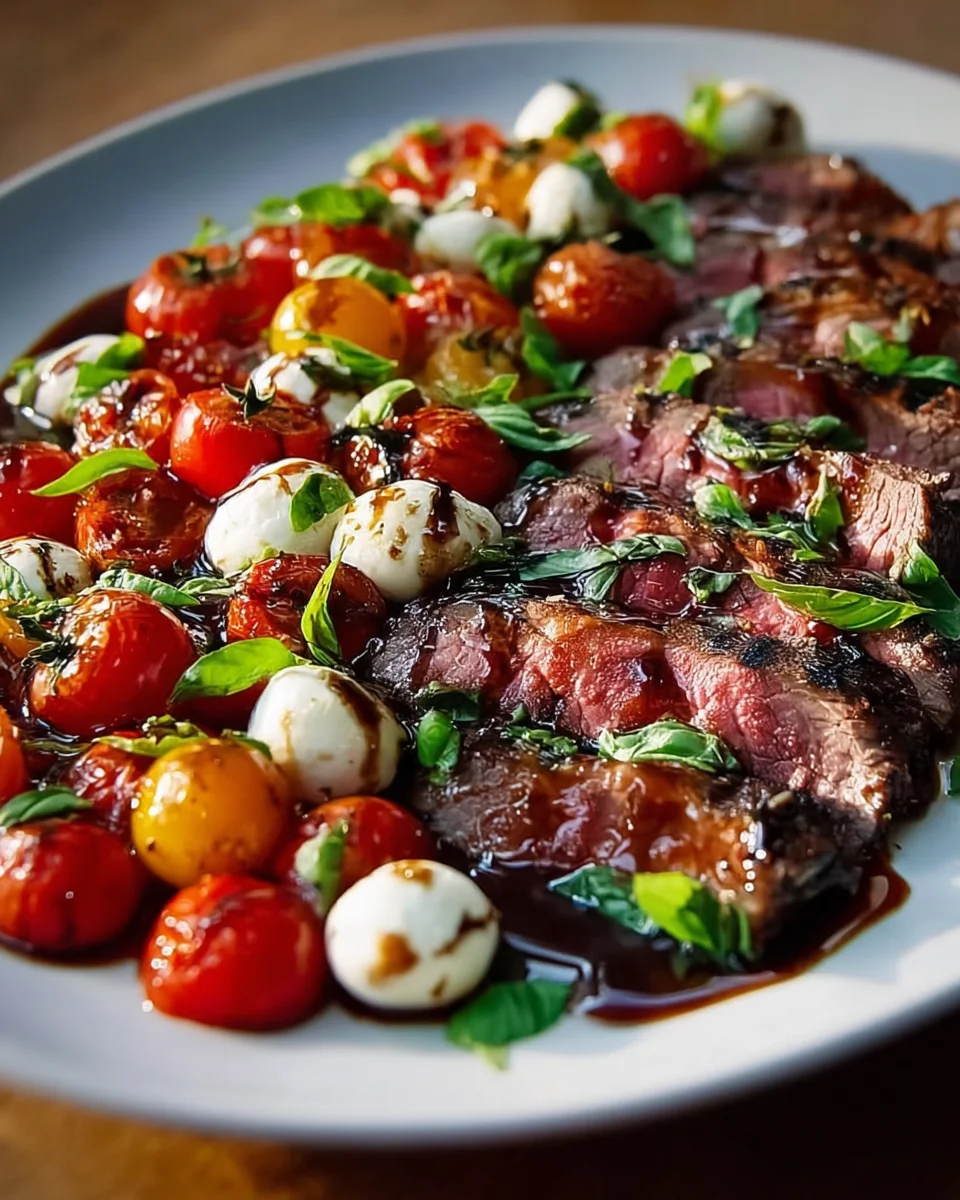
And there you have it! I truly believe that Grilled Flank Steak Caprese With Balsamic Dressing is more than just a meal; it’s an experience. The way the smoky, tender grilled beef pairs with the creamy fresh mozzarella, the burst of sweet, ripe tomatoes, and the aromatic basil is simply magical. Drizzled with that rich, tangy balsamic dressing, every bite is a delightful balance of flavors and textures that will leave you utterly satisfied.
This isn’t just a recipe; it’s a celebration of fresh, vibrant ingredients coming together in perfect harmony. It’s elegant enough for a special occasion, yet surprisingly simple to prepare for a weeknight dinner. Trust me, once you try Grilled Flank Steak Caprese With Balsamic Dressing, you’ll understand why it’s destined to become a staple in your culinary repertoire. Go ahead, give it a try – your taste buds will thank you!


Leave a Comment