
Cashew Chicken
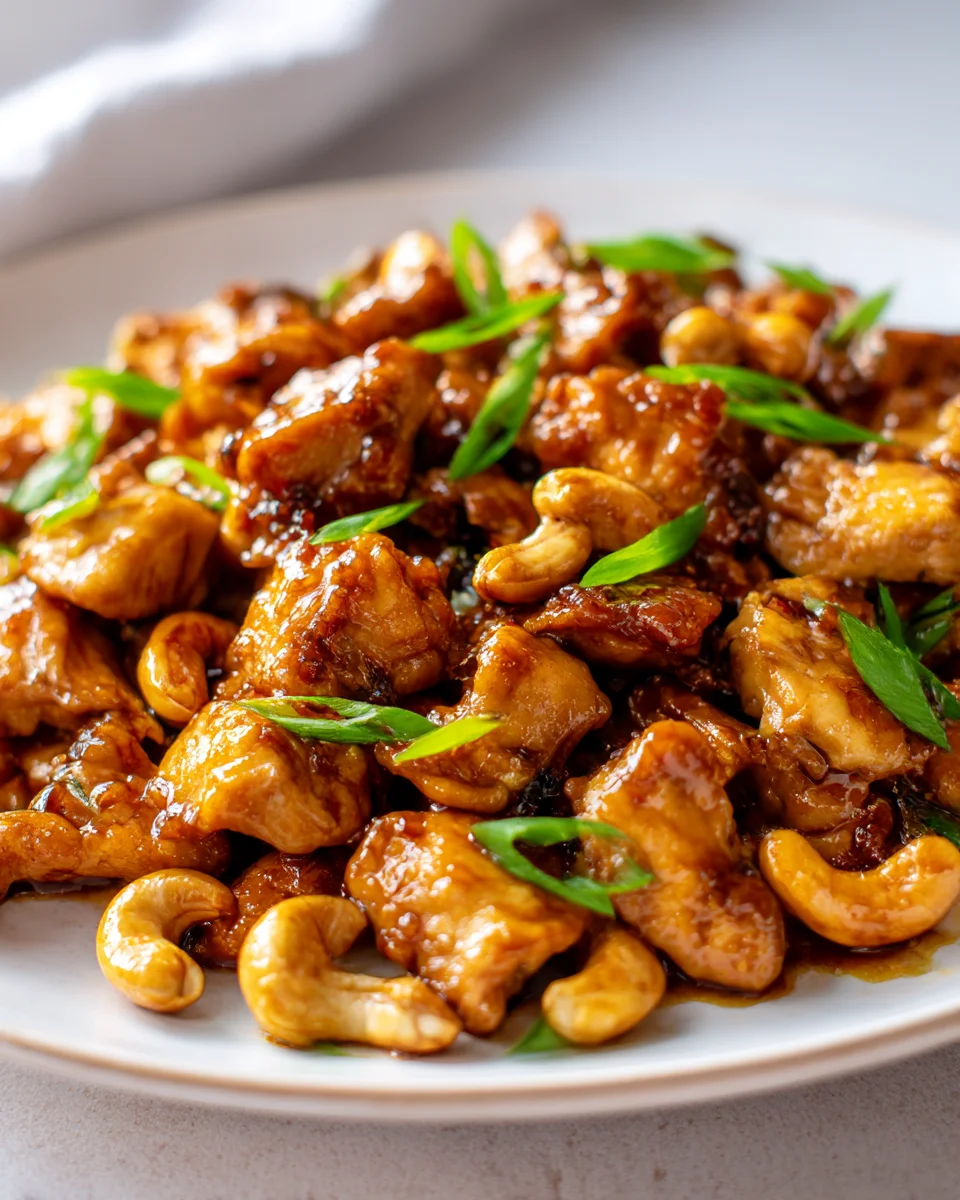
Oh, Cashew Chicken! Just saying the name brings a smile to my face and a craving to my stomach. This isn’t just another chicken dish; it’s a symphony of textures and flavors that makes it truly special. I promise you’re going to love bringing this beloved takeout classic into your own kitchen, especially when you discover how simple it is to make something so incredibly delicious.
At its heart, Cashew Chicken is all about tender, often delightfully crispy, pieces of chicken lovingly coated in a rich, savory, and subtly sweet sauce, then tossed with an abundance of perfectly toasted, crunchy cashews. Sometimes I like to throw in a few colorful bell peppers or snap peas for extra crunch and freshness, but those golden nuggets of chicken and the toasted nuts are always the stars. It’s the ultimate comfort food that feels gourmet yet approachable, and honestly, once you taste your homemade version, you might just ditch the delivery menu forever!
Ingredient Notes
Crafting the perfect Cashew Chicken starts with understanding each component. I’ve found that using fresh, good-quality ingredients makes all the difference in achieving that irresistible balance of savory, sweet, and nutty flavors.
- Chicken: For this recipe, I always reach for boneless, skinless chicken breasts or thighs. Breasts are leaner and cook quickly, while thighs offer a richer flavor and stay incredibly moist. Whichever you choose, make sure to cut them into uniform 1-inch pieces. This ensures even cooking and a tender bite in every mouthful. If you’re looking for an alternative, you can absolutely substitute chicken with thinly sliced beef. Just make sure to cut the beef against the grain into bite-sized pieces to ensure tenderness.
- Cashews: These are the star alongside the chicken! I prefer using raw, unsalted whole cashews and giving them a quick toast in a dry pan before adding them to the dish. This really enhances their nutty flavor and gives them a lovely golden color. If you’re short on time, pre-roasted, unsalted cashews work perfectly too. If cashews aren’t an option, peanuts or even almonds can be used, though they will subtly alter the traditional flavor profile.
- Bell Peppers: Vibrant bell peppers not only add a wonderful pop of color but also a subtle sweetness and crunch. I love using a mix of red, green, and yellow bell peppers, cut into 1-inch pieces. They hold up well during stir-frying.
- Onion: A medium yellow or white onion, roughly chopped, provides a foundational aromatic sweetness that complements the savory sauce beautifully.
- Garlic and Ginger: Fresh is truly best here! Minced garlic and grated fresh ginger are essential for that pungent, aromatic kick that defines so many delicious Asian-inspired dishes. Don’t skimp on these; they build the backbone of the flavor.
- The Sauce: This is where the magic happens! My go-to Cashew Chicken sauce is a harmonious blend of:
- Low-Sodium Soy Sauce: I always opt for low-sodium to control the saltiness, allowing me to adjust to taste. Tamari is an excellent gluten-free alternative.
- Rice Vinegar: Adds a crucial tang and brightness that cuts through the richness. If you don’t have rice vinegar, a splash of apple cider vinegar can work in a pinch, though it has a slightly different flavor profile.
- Hoisin Sauce: This thick, sweet, and savory sauce adds a wonderful depth of flavor. It’s a key component for that authentic taste. If hoisin is unavailable, a little barbecue sauce can offer a similar sweetness and thickness, but the flavor will be different.
- Toasted Sesame Oil: A drizzle of toasted sesame oil at the end imparts a distinctive, nutty aroma that brings all the flavors together. Be mindful, as a little goes a long way!
- Cornstarch: This is my secret weapon for thickening the sauce to that perfect glossy consistency. It helps the sauce cling beautifully to the chicken and vegetables.
- Water or Chicken Broth: Used as the liquid base for the sauce. Chicken broth will add an extra layer of savory depth.
- Sugar or Honey: A touch of sweetness balances the savory and tangy elements, creating a well-rounded flavor profile.
- Non-Alcoholic Alternative: Traditionally, a splash of Shaoxing wine or mirin might be used. To keep it non-alcoholic, I often substitute this with an equal amount of chicken broth or even a tiny splash of apple juice for a hint of sweetness, which works wonderfully without compromising flavor.
- Cooking Oil: A neutral-flavored oil with a high smoke point is ideal for stir-frying. Think vegetable oil, canola oil, or peanut oil.
Step-by-Step Instructions
Making Cashew Chicken is a super fun and rewarding experience, especially when you have everything prepped and ready to go. I always say that stir-fries are all about the ‘mise en place’ – having your ingredients chopped, measured, and within arm’s reach before you even turn on the stove. Here’s how I get that perfect dish every time:
- Prep Your Ingredients: This is the most crucial step! Cut your chicken (or beef) into 1-inch pieces. If using raw cashews, toast them in a dry skillet over medium heat for about 3-5 minutes until lightly golden and fragrant; set aside. Chop your bell peppers and onion. Mince your garlic and grate your ginger. In a small bowl, whisk together all your sauce ingredients (soy sauce, rice vinegar, hoisin sauce, sesame oil, cornstarch, water/broth, sugar/honey, and your non-alcoholic alternative) until smooth.
- Sear the Chicken: Heat 1 tablespoon of cooking oil in a large skillet or wok over medium-high heat until shimmering. Add half of the chicken pieces (don’t overcrowd the pan, or it won’t sear properly!). Cook for 3-4 minutes per side, until golden brown and almost cooked through. Remove the chicken to a plate and repeat with the remaining chicken, adding more oil if needed.
- Sauté the Vegetables: Add another tablespoon of oil to the same pan. Toss in the chopped bell peppers and onion. Stir-fry for 3-4 minutes until they start to soften but still retain a slight crispness. I love my veggies to have a bit of bite!
- Add Aromatics: Push the vegetables to one side of the pan. Add the minced garlic and grated ginger to the clear space. Stir-fry for about 30 seconds until fragrant, being careful not to burn them. Then, stir them into the vegetables.
- Combine and Sauce: Return all the cooked chicken to the pan with the vegetables. Give the sauce mixture a quick re-whisk, then pour it evenly over everything in the pan. Bring the sauce to a gentle simmer, stirring constantly. The sauce will thicken quickly thanks to the cornstarch, coating the chicken and vegetables beautifully.
- Add Cashews: Once the sauce has thickened and coated everything, remove the pan from the heat. Stir in the toasted cashews. This ensures they retain their lovely crunch.
- Serve Immediately: Transfer your glorious Cashew Chicken to serving bowls. I find it pairs perfectly with steamed white rice or brown rice, letting all those amazing flavors shine through. Enjoy every bite!
Tips & Suggestions
Over the years, I’ve picked up a few tricks that truly elevate my Cashew Chicken from good to absolutely fantastic. These are the little details that make all the difference, ensuring you get that takeout-quality taste right in your own kitchen.
- Master the Wok (or Skillet): While a traditional wok is fantastic for stir-frying due to its even heat distribution and large surface area, a large, heavy-bottomed skillet or cast-iron pan works wonders too. The key is to get your pan screaming hot before adding your ingredients. High heat is essential for that signature stir-fry texture – crisp veggies and beautifully seared chicken.
- Don’t Crowd the Pan: This is perhaps the most important rule for stir-frying. If you add too much chicken or too many vegetables at once, the temperature of your pan will drop drastically. Instead of searing and stir-frying, your ingredients will steam, leading to soggy chicken and limp vegetables. Work in batches if necessary, especially with the chicken. It’s worth the extra couple of minutes!
- Mise en Place is Your Best Friend: I cannot stress this enough! Stir-frying is a very quick cooking method. Once you start, there’s no time to chop or measure. Have all your chicken cut, veggies chopped, aromatics minced, and your sauce whisked and ready to pour before you even turn on the stove. This makes the entire process smooth, enjoyable, and stress-free.
- Adjust to Your Taste: Feel free to customize the sauce! If you prefer it sweeter, add a little more sugar or honey. If you like it tangier, a splash more rice vinegar will do the trick. For more savory depth, a touch more soy sauce (remembering to use low-sodium if you’re salt-sensitive) can enhance the flavor. Taste and adjust before adding to the pan.
- For Extra Crunch (and Flavor): If you’re using raw cashews, definitely take the extra step to toast them in a dry pan for a few minutes before adding them to the dish. This deepens their nutty flavor and ensures they stay nice and crunchy. For even more flavor, a few minutes in the oven (350°F/175°C) until golden works too!
- Spice it Up!: If you’re a fan of heat, a pinch of red pepper flakes added with the garlic and ginger, or a drizzle of sriracha sauce at the end, can add a fantastic kick to your Cashew Chicken.
- Serve It Right: Cashew Chicken is absolutely perfect served hot over a bed of fluffy steamed jasmine rice. It also works wonderfully with brown rice, quinoa, or even noodles for a heartier meal. Garnish with a sprinkle of fresh chopped green onions or cilantro for a touch of freshness and color.
- Make it Gluten-Free: It’s easy to adapt this recipe for those with gluten sensitivities. Simply use tamari instead of regular soy sauce, and double-check that your hoisin sauce and any other store-bought ingredients are certified gluten-free.
Storage
One of the great things about Cashew Chicken is that it tastes fantastic as leftovers, sometimes even better as the flavors meld! However, proper storage is key to keeping it fresh and delicious. Here’s what I do:
- Cooling: First things first, allow your Cashew Chicken to cool down to room temperature within two hours of cooking. Don’t leave it out for too long, as this can encourage bacterial growth. Speed up the cooling process by spreading it out on a shallow plate or tray.
- Refrigeration: Once cooled, transfer the Cashew Chicken to an airtight container. It will keep beautifully in the refrigerator for up to 3-4 days. I always make sure the container is well-sealed to prevent any odors from mixing with other foods in the fridge and to maintain moisture.
- Freezing (with a caveat): While you can freeze Cashew Chicken, I generally don’t recommend freezing the cashews themselves. They tend to lose their crispness and can become a bit soggy or mealy after thawing. If you plan to freeze, I’d suggest omitting the cashews during the initial cook and adding freshly toasted cashews when you reheat the dish. The chicken and sauce mixture, without cashews, freezes well for up to 2-3 months in a freezer-safe, airtight container.
- Reheating:
- Stovetop: This is my preferred method for reheating. Place the leftovers in a skillet over medium heat, adding a splash of water or chicken broth to help loosen the sauce and prevent the chicken from drying out. Stir occasionally until heated through. This method helps maintain the texture of the chicken and vegetables best.
- Microwave: If you’re short on time, the microwave works too. Place your portion in a microwave-safe dish, cover loosely (to prevent splattering and help retain moisture), and heat in 1-minute intervals, stirring in between, until hot. Be careful not to overheat, as this can dry out the chicken.
- Enjoying Leftovers: Leftover Cashew Chicken is excellent on its own, but it’s also fantastic repurposed! I sometimes serve it over a fresh salad for a lighter meal, or even tucked into lettuce wraps for a fun, low-carb option. Remember, the flavors often deepen overnight, making it a truly delightful next-day lunch!
Final Thoughts
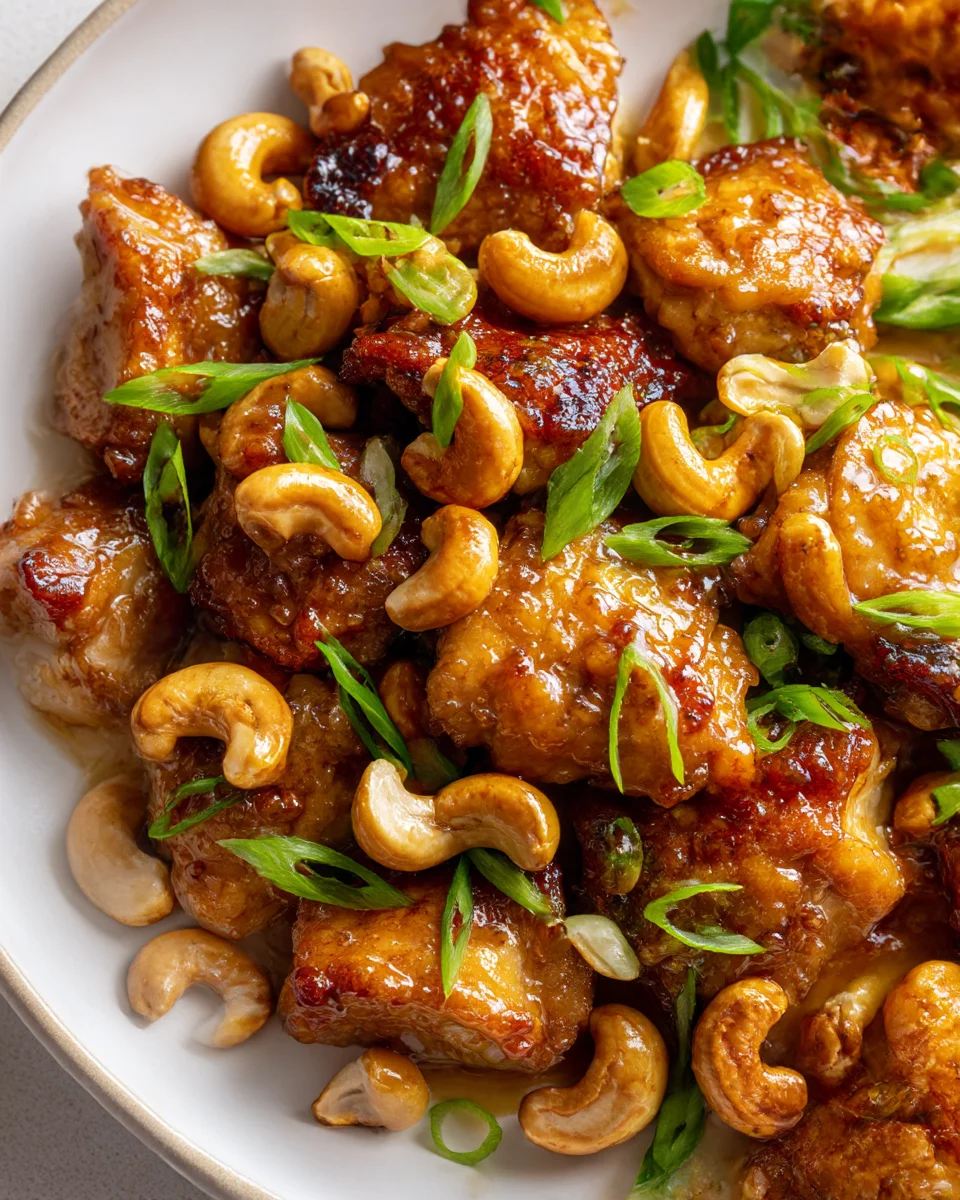
Well, friends, I truly hope you’re as excited about your homemade Cashew Chicken as I am! This isn’t just another dinner; it’s a symphony of textures and flavors that genuinely elevates a simple meal into something special.
The way the tender pieces of chicken mingle with the satisfying crunch of cashews, all coated in that irresistible savory sauce, makes Cashew Chicken an absolute standout. It’s incredibly adaptable, perfect for a quick weeknight dinner, or impressive enough to share with guests. I promise you, once you taste this incredible dish, Cashew Chicken will become a cherished recipe in your culinary repertoire. It’s a must-try that consistently delivers on both amazing flavor and welcome ease!


Leave a Comment