
Homemade Roast Potatoes
Oh, homemade roast potatoes! There’s just something utterly magical about them, isn’t there? For me, they’re not just a side dish; they’re the undeniable star of any roast dinner, the ultimate comfort food, and frankly, a non-negotiable part of any special meal. This isn’t just a recipe; it’s your personal guide to achieving those dream roast potatoes you’ve always craved, better than anything you’ll get in a restaurant.
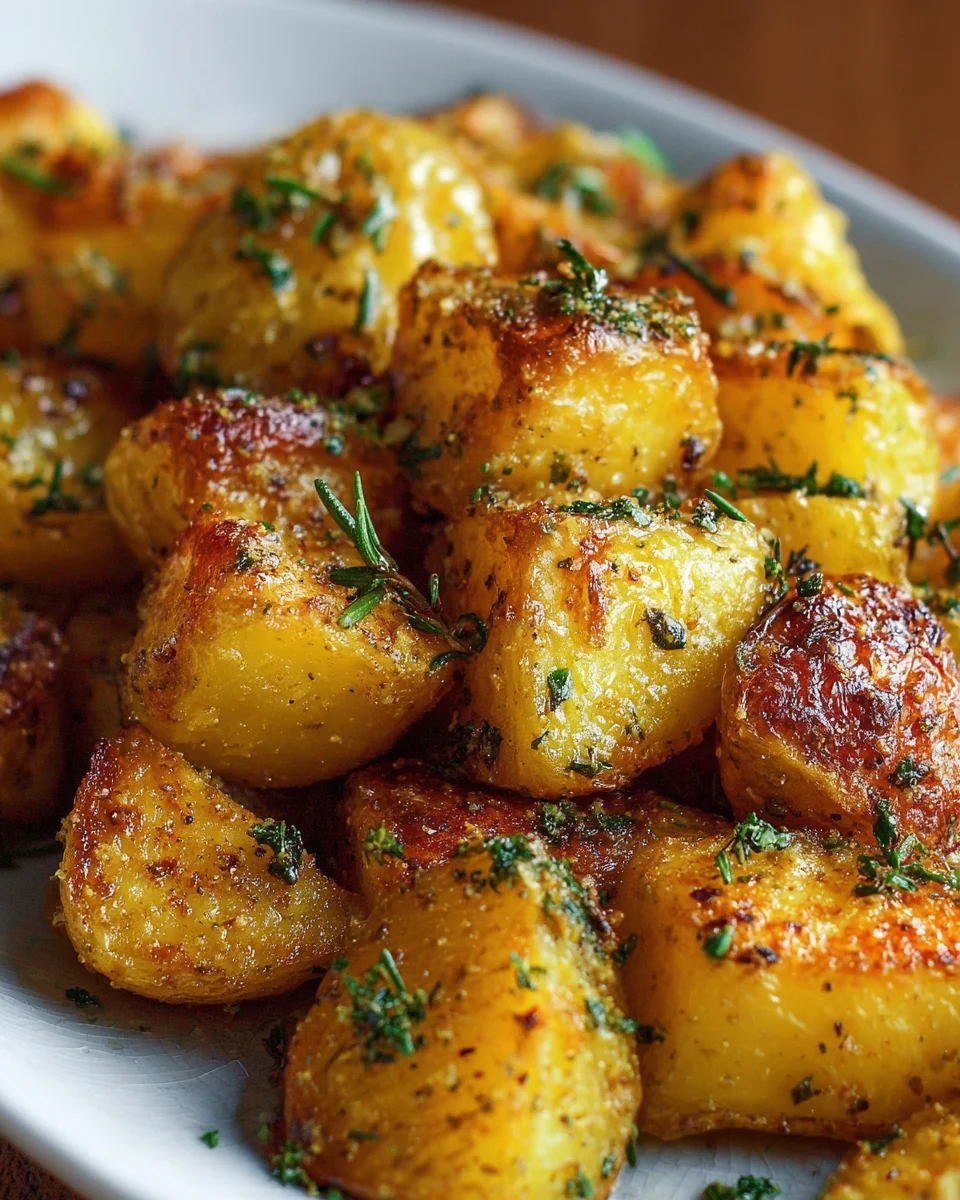
What makes these specific Homemade Roast Potatoes so special? It’s all about that incredible contrast: an unbelievably crisp, golden-brown crust that shatters delightfully as you bite into it, giving way to a wonderfully fluffy, steaming interior. We’re talking about a depth of flavour that only comes from careful preparation and high-heat roasting. No soggy, pale potatoes here, ever!
You, my friend, are going to absolutely love making and eating these. Imagine the sheer joy of pulling a tray of perfectly burnished potatoes from your oven, smelling that incredible aroma, and knowing you created that perfection yourself. They’re a crowd-pleaser that elevates any meal, from a simple family dinner to a grand holiday feast alongside your favorite beef roast. Get ready to impress everyone, including yourself, with these truly exceptional homemade roast potatoes – a simple spud transformed into a golden marvel, crispy on the outside and wonderfully soft within.
Ingredient Notes
Ah, the humble potato! It’s the undisputed star of our homemade roast potatoes, and picking the right one is your first step to crunchy, fluffy perfection. I’ve experimented a lot over the years, and I’ve found that floury, starchy varieties are always the best bet. Think Maris Piper, King Edward, or even good old Russet potatoes if you’re across the pond. These varieties have a wonderful ability to break down on the surface when par-boiled, creating those crucial rough edges that crisp up so beautifully in the oven, while keeping their centers wonderfully soft and fluffy.
Next up, we need the right fat. This is where a lot of the magic happens! For truly decadent, flavour-packed roast potatoes, nothing quite beats duck fat or goose fat. They have incredibly high smoke points and impart an unbelievable depth of flavour that makes your potatoes taste incredibly luxurious. If you can’t get your hands on them, or prefer an alternative, a good quality beef dripping is fantastic – it gives a rich, savoury note that’s absolutely divine. For those seeking a vegetarian or vegan option, a robust, high-smoke-point vegetable oil like rapeseed (canola) oil, or even a light olive oil (not extra virgin, as it has a lower smoke point), will do the trick. While they won’t add the same intense flavour as the animal fats, they’ll still deliver wonderfully crispy results.
Seasoning is simple but essential. Flaky sea salt is my absolute go-to; it provides a lovely crunch and bursts of salty goodness. Freshly ground black pepper adds a subtle warmth. Beyond that, I love to add a few sprigs of fresh rosemary or thyme to the roasting tray in the last 20-30 minutes. The aromatic herbs infuse the fat and the potatoes with their fragrant essence, taking them from great to absolutely phenomenal. If you don’t have fresh, a tiny sprinkle of dried herbs can work, but use sparingly as their flavour is more concentrated. For an extra boost of crispness, a little secret of mine is to sprinkle a tiny amount of semolina or plain flour over the roughened potatoes before they go into the hot fat. It creates an almost impossibly crisp crust!
Substitutions:
- Potatoes: If your preferred starchy potato isn’t available, choose the floury variety nearest to you. Avoid waxy potatoes like new potatoes, as they won’t achieve the same fluffy interior.
- Fat: As mentioned, beef dripping or a high-quality vegetable oil (like rapeseed/canola) are excellent stand-ins for duck or goose fat.
- Herbs: If fresh rosemary or thyme isn’t on hand, you can omit them entirely or use a very small amount of dried mixed herbs or dried rosemary/thyme.
Step-by-Step Instructions
Getting those perfect homemade roast potatoes is all about technique, and I’m going to walk you through my tried-and-true method that guarantees crispy edges and fluffy interiors every single time. Get ready to impress!
- Prepare Your Potatoes: Start by peeling your chosen floury potatoes. I usually aim for about 1.5-2 kg for a family meal. Once peeled, cut them into roughly equal-sized pieces – aiming for chunks about 5-6 cm in size. Don’t be too precise; rough edges are actually a good thing as they provide more surface area for crisping!
- Par-Boil Them Right: Place your potato chunks into a large pot and cover them with cold, salted water. I add a generous pinch of salt here – it helps season them from the inside out. Bring the water to a rolling boil and then reduce the heat to a simmer. Cook the potatoes for about 8-10 minutes, or until they are just tender when poked with a knife, but not falling apart. They should still hold their shape. This par-boiling step is crucial: it starts cooking the potato through and, more importantly, it softens the exterior, preparing it for the next step.
- The “Fluffy Edge” Shake: This is my secret weapon! Once par-boiled, carefully drain the potatoes thoroughly in a colander. Let them sit for a minute or two to steam dry slightly. Then, give the colander a really good, vigorous shake. You want to bash those potatoes around! This action roughens up their exteriors, creating a wonderful, almost mashed-potato-like fuzz on the outside that will transform into an unbelievably crispy crust in the oven. If you’re using my semolina/flour trick, this is when you’d sprinkle about a teaspoon or two over the potatoes in the colander and give them another gentle shake to coat.
- Preheat Oven and Fat: Now, get your oven ready. Preheat it to a scorching 200°C (400°F) or 180°C (350°F) fan/convection. While the oven heats, add a generous amount of your chosen fat (duck fat, goose fat, beef dripping, or high-smoke-point oil) to a large, sturdy roasting tray. You want enough fat to generously coat the bottom of the tray, maybe 4-5 tablespoons. Place the tray with the fat into the preheating oven for at least 10-15 minutes. It’s absolutely vital that the fat is screaming hot before the potatoes go in – this ensures an immediate sizzle and crisping!
- Roast Them Golden: Carefully remove the super-hot roasting tray from the oven. Gently add your roughened, par-boiled potatoes to the hot fat. Be careful, as it will spit! Make sure the potatoes are in a single layer; overcrowding will steam them rather than roast them, so use two trays if necessary. Give them a gentle toss in the hot fat to ensure they’re well coated. Return the tray to the hot oven.
- The Roasting Process: Roast for about 45-60 minutes, turning them every 15-20 minutes with tongs or a spatula, until they are gloriously golden brown, incredibly crispy on all sides, and perfectly tender in the middle. If you’re adding fresh rosemary or thyme, I typically add the sprigs to the tray during the last 20-30 minutes of roasting so they don’t burn. Season generously with flaky sea salt and freshly ground black pepper just before serving.
Tips & Suggestions
Achieving the perfect homemade roast potato is a craft, and after many years and countless Sunday roasts, I’ve gathered a few invaluable tips and suggestions that will elevate your potatoes from good to absolutely legendary. These little details can make all the difference, trust me!
- Potato Perfection: Always, always opt for a floury potato variety. Maris Piper, King Edward, or Russet potatoes are your best friends here. Their high starch content is what allows them to break down on the surface during par-boiling and shaking, creating that essential rough, fluffy exterior that becomes incredibly crisp when roasted. Waxy potatoes simply won’t give you the same results, so save those for salads!
- Fat is Flavour (and Crispness): Don’t skimp on the fat! Duck fat or goose fat are truly the gold standard for flavour and crispness. If those aren’t readily available, high-quality beef dripping is a fantastic alternative, imparting a wonderful savoury depth. If using a plant-based option, ensure it’s a high-smoke-point oil like rapeseed (canola) oil. The amount of fat should be enough to generously coat the base of your roasting tray – typically 4-5 tablespoons for a standard tray.
- The Hot Fat Is Non-Negotiable: This is a game-changer! Preheating your roasting tray with the fat in the oven until it’s screaming hot before adding the potatoes is crucial. When the potatoes hit that intensely hot fat, they immediately start to crisp up, forming that delicious golden crust. Adding potatoes to cold or warm fat will result in soggy rather than crispy spuds. Be careful when adding them – it will sizzle and spit!
- Don’t Crowd the Tray: I cannot stress this enough! Potatoes need space to breathe and crisp up. If you overcrowd your roasting tray, the potatoes will steam rather than roast, leaving you with soft, unappealing results. Use two trays if necessary to ensure a single, even layer for all your potato chunks. Give them plenty of room to develop that beautiful crust.
- The “Fluffy Edge” Shake, Revisited: After par-boiling and draining, that vigorous shake in the colander is key. Don’t be gentle! You want to really rough up the edges of those potatoes. This creates a starchy, fluffy exterior that turns into an irresistible crispy shell. This, combined with the hot fat, is the secret to ultimate crunch.
- Seasoning Strategy: Salt your potatoes twice! First, salt the water generously when par-boiling – this seasons them from the inside. Second, add flaky sea salt and freshly ground black pepper generously after they’re perfectly roasted, just before serving. You can also add a pinch of garlic powder to the semolina/flour for an extra flavour dimension.
- Herb Power: Fresh rosemary and thyme sprigs are fantastic additions. I usually add them to the roasting tray during the last 20-30 minutes of cooking. This allows their aromatic oils to infuse into the hot fat and the potatoes without the herbs burning. The aroma alone is enough to get mouths watering!
- For Extra Crunch (My Secret Weapon): If you want truly next-level crispness, sprinkle about 1-2 teaspoons of fine semolina or plain flour over your par-boiled, roughened potatoes before they go into the hot fat. Give them another gentle shake to coat evenly. This creates an almost impossibly crisp coating that is just sublime.
- Serving Suggestions: Homemade roast potatoes are the quintessential side dish for any Sunday roast – whether it’s with roasted beef, chicken, lamb, or a festive turkey. They also pair wonderfully with sausages, steak, or even a hearty vegetarian main course.
Storage
While homemade roast potatoes are undeniably at their absolute best when served fresh, hot, and straight from the oven, sometimes you might find yourself with leftovers, or you might want to prep ahead a little. Here’s how to handle storage:
- Refrigeration: Once your roast potatoes have cooled completely, transfer them to an airtight container. They will keep well in the refrigerator for up to 3-4 days. Be aware that they will lose their crispness and become softer in texture once chilled.
- Reheating: To bring them back to life, the best method is to reheat them in the oven. Preheat your oven to around 180°C (350°F). Spread the potatoes out in a single layer on a baking tray (you can add a tiny drizzle of fresh oil or fat if you like, but it’s not strictly necessary). Reheat for 15-20 minutes, or until they are piping hot all the way through and have crisped up again. They won’t be quite as crispy as fresh, but they’ll still be delicious. I strongly advise against reheating them in the microwave, as this will make them soft and mushy, completely defeating the purpose of a good roast potato!
- Freezing: You can technically freeze cooked roast potatoes, but I don’t typically recommend it for achieving optimal texture. Freezing and thawing can alter the potato’s structure, making them a bit watery or mealy. If you do choose to freeze them, spread the cooled potatoes in a single layer on a baking tray and freeze until solid. Then transfer them to a freezer-safe bag or container for up to 2-3 months. Reheat from frozen in a hot oven (around 200°C/400°F) for 25-35 minutes, turning occasionally, until hot and re-crisped. They’ll be okay, but definitely not as good as fresh.
Final Thoughts
Well, here we are! You’ve made it to the end of what I truly believe is the definitive guide to creating the most incredible Homemade Roast Potatoes. I know there are many ways to roast a potato, but I promise you, this recipe is designed to deliver consistent, mouth-watering perfection every single time.
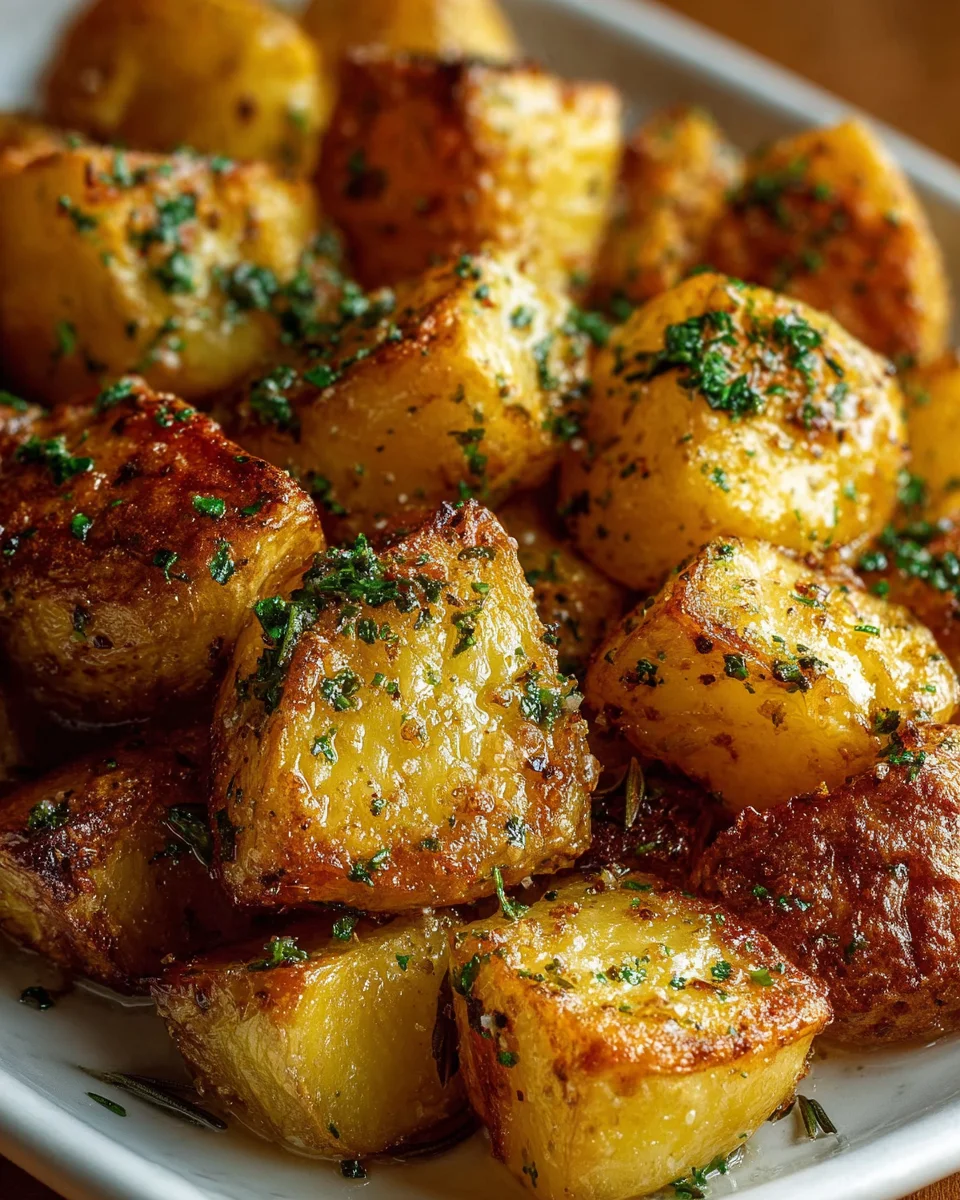
Why are these Homemade Roast Potatoes a must-try? Because they embody everything you crave: an unbelievably crispy, golden exterior that shatters beautifully, giving way to a wonderfully fluffy, steaming interior. They are more than just a side dish; they are a glorious celebration of simplicity and technique, transforming humble potatoes into something truly extraordinary.
Imagine these beauties gracing your dinner table, perfect alongside a succulent beef roast, or as the star of your Sunday lunch. The satisfaction of pulling a tray of these perfectly golden, glistening treasures from your oven is unparalleled. Trust me, once you experience the sheer delight of making and devouring these Homemade Roast Potatoes, you’ll never look back. Go on, give them a try – your taste buds will thank you!


Leave a Comment