
Healthy Sauteed Vegetables Quick Flavorful Nutritious Side
Healthy Sauteed Vegetables Quick Flavorful Nutritious Side is about to become your new favorite go-to! I absolutely adore this recipe because it genuinely delivers on every promise in its name. Are you looking for a side dish that’s not just incredibly healthy, but also unbelievably quick to whip up and bursting with flavor? Well, you’ve found it! I know how challenging it can be to get enough vegetables into our day, especially when time is short, but this dish makes it so easy and enjoyable. What makes it truly special is how simple ingredients transform into something vibrant and delicious in mere minutes, making healthy eating feel effortless and exciting. You’ll love how versatile it is – perfect alongside almost any main course, from grilled beef to a simple omelet. This isn’t just a recipe; it’s a game-changer for busy weeknights, a colorful addition to your plate, and a delicious way to nourish your body. In a nutshell, we’re talking about taking a medley of your favorite fresh vegetables, quickly sautéing them to perfection with a few key seasonings, creating a tender-crisp texture and a rich, savory taste that even the pickiest eaters will enjoy.
Ingredient Notes
Creating a truly delicious, healthy, and quick sautéed vegetable side dish starts with selecting the right ingredients. This recipe focuses on fresh, vibrant produce and simple, impactful flavor enhancers that elevate the natural goodness of the vegetables without any fuss. The beauty of this dish lies in its versatility, allowing you to adapt it to what you have on hand while keeping it nutritious and incredibly flavorful.
The Vegetables
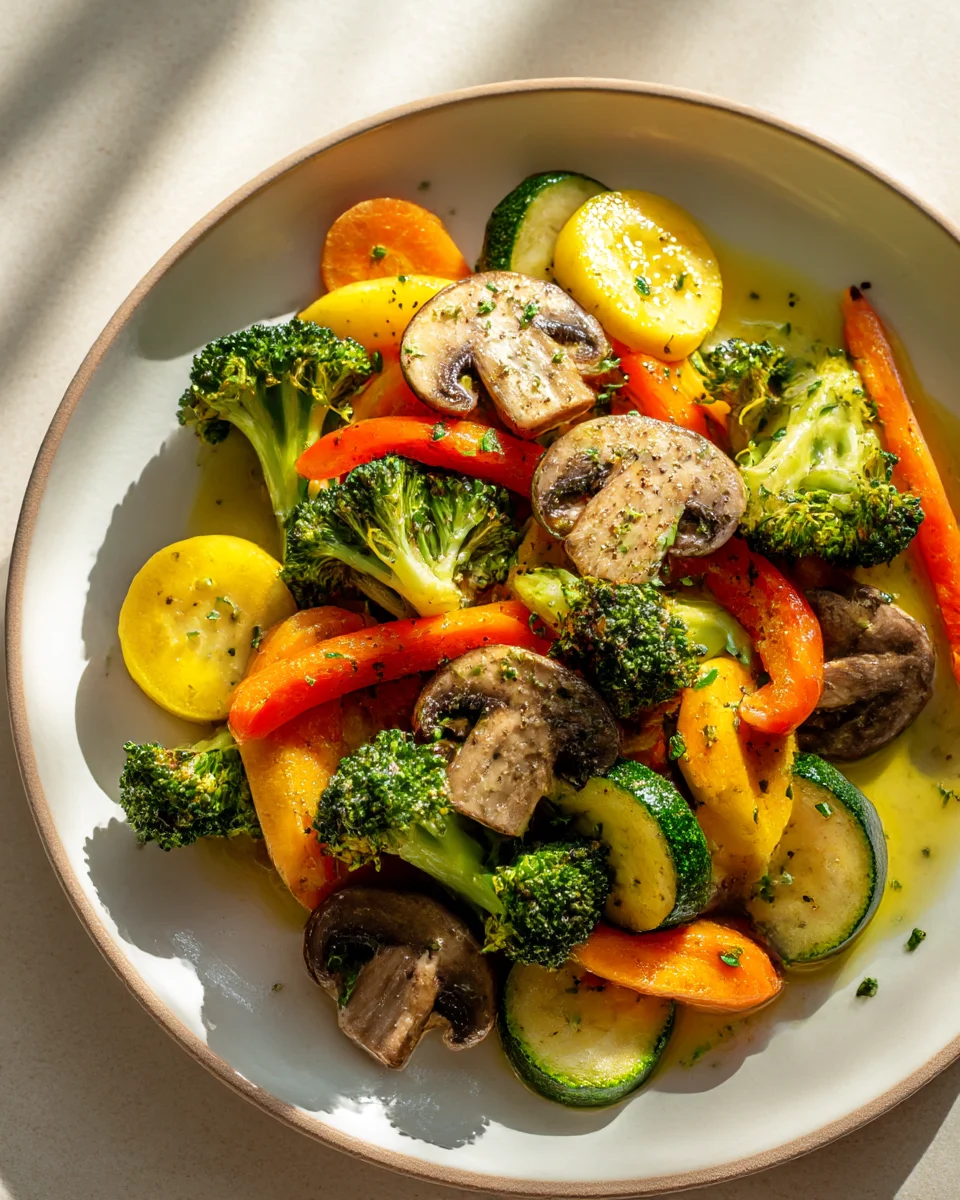
- Harder Vegetables: Think carrots, broccoli florets, cauliflower florets, and snap peas. These take a little longer to cook and benefit from being added to the pan first. I love how carrots add a touch of sweetness and vibrant color, while broccoli offers a satisfying crunch and packed nutrition.
- Medium-Cooking Vegetables: Bell peppers (any color!), sliced mushrooms (cremini or white button), and onions are perfect here. Bell peppers bring a fantastic sweet-tart flavor and gorgeous color, mushrooms add an earthy umami, and onions provide a foundational aromatic depth.
- Quick-Cooking Vegetables: Zucchini, yellow squash, spinach, or even kale fall into this category. They cook down quickly, so we add them towards the end to prevent them from becoming mushy.
- Aromatics: Fresh garlic and ginger are non-negotiable for that bright, zesty kick that truly makes this dish flavorful. I always opt for fresh over powdered for the best taste.
- Substitutions: Feel free to mix and match! Asparagus, green beans, bok choy, or even thinly sliced cabbage would all be wonderful additions. The key is to cut them into similar-sized pieces for even cooking.
The Healthy Fats
- Olive Oil or Avocado Oil: I prefer these for sautéing due to their higher smoke points and healthy fat profiles. A good quality olive oil can also add a subtle fruity note.
- Substitutions: Any neutral cooking oil with a medium-high smoke point will work.
The Flavor Boosters
- Low-Sodium Soy Sauce (or Tamari): This provides the essential savory, umami base. For a gluten-free option, tamari is an excellent choice.
- Sesame Oil: A tiny drizzle at the end adds an incredible nutty aroma and depth of flavor. A little goes a long way!
- Rice Vinegar: This brightens the entire dish with a subtle tang, balancing the savory notes beautifully.
- A Touch of Sweetness: A small amount of honey or maple syrup helps to round out the flavors and caramelize the vegetables slightly.
- Red Pepper Flakes (Optional): For those who love a bit of heat, a pinch of red pepper flakes adds a lovely warmth.
- Substitutions: You could experiment with a dash of non-alcoholic mirin for sweetness and depth, or a squeeze of lime juice instead of rice vinegar for a different citrusy note.
Step-by-Step Instructions
Getting a perfect tender-crisp texture and vibrant flavor for your sautéed vegetables is all about timing and technique. Follow these steps for a quick, flavorful, and nutritious side every time!
- Prepare Your Vegetables: This is arguably the most important first step for efficiency. Wash all your chosen vegetables thoroughly. Then, chop them into roughly uniform, bite-sized pieces. For harder vegetables like carrots or broccoli, aim for smaller pieces. Softer vegetables like zucchini can be a bit larger. Mince your garlic and grate your ginger. Set everything aside, ready to go.
- Make the Flavorful Sauce: In a small bowl, whisk together the low-sodium soy sauce (or tamari), rice vinegar, honey (or maple syrup), and a pinch of red pepper flakes (if using). Taste and adjust to your preference – you might want a bit more tang or sweetness. Set this aside.
- Heat the Pan: Place a large skillet or wok over medium-high heat. Once hot, add 1-2 tablespoons of olive oil or avocado oil, swirling to coat the bottom. You want the pan to be nice and hot to get a good sear on the vegetables, not steam them.
- Sauté the Harder Vegetables: Add your harder vegetables first (e.g., carrots, broccoli, cauliflower, snap peas) to the hot pan. Sauté for 3-4 minutes, stirring occasionally, until they start to become tender-crisp and slightly browned.
- Add Medium-Cooking Vegetables: Next, add your medium-cooking vegetables (e.g., bell peppers, mushrooms, onions). Continue to sauté for another 2-3 minutes, stirring, until they begin to soften but still retain some bite.
- Introduce Quick-Cooking Vegetables and Aromatics: Push the vegetables to one side of the pan. Add the minced garlic and grated ginger to the empty space and cook for about 30 seconds until fragrant, being careful not to burn them. Then, add any quick-cooking vegetables like zucchini or spinach. Toss everything together and cook for another 1-2 minutes until the zucchini is tender-crisp and spinach has wilted.
- Add the Sauce: Give your prepared sauce a quick whisk again and pour it evenly over all the vegetables in the pan. Toss everything together gently to coat the vegetables in the sauce. Cook for just 1 minute more, allowing the sauce to slightly thicken and cling to the vegetables.
- Finish and Serve: Remove the pan from the heat. Drizzle with 1/2 teaspoon of sesame oil and toss one last time. Serve immediately as a vibrant, healthy, and flavorful side dish.
Tips & Suggestions
Achieving perfectly sautéed vegetables is an art, and a few key tips can elevate your dish from good to exceptional. These suggestions are designed to ensure your Healthy Sautéed Vegetables are always quick, flavorful, and wonderfully nutritious.
- Don’t Overcrowd the Pan: This is perhaps the most crucial tip! If you add too many vegetables to the pan at once, the temperature will drop, and the vegetables will steam instead of sauté. This results in soft, watery veggies rather than crisp, browned ones. If you’re making a large batch, it’s always better to cook the vegetables in two separate batches.
- Cut Vegetables Evenly: Uniformly sized pieces ensure that all your vegetables cook at roughly the same rate. This prevents some pieces from being raw while others are overcooked.
- High Heat is Key: Sautéing means cooking quickly over medium-high to high heat. This creates a beautiful sear and locks in the natural flavors and textures. Don’t be afraid of a little sizzle!
- Prep Everything Ahead: Having all your vegetables chopped and your sauce mixed before you start cooking (mise en place) makes the entire process incredibly smooth and quick, which is essential for a fast sauté.
- Adjust to Your Taste: The provided sauce is a guide. Feel free to tweak it! Love more ginger? Add more! Want a stronger savory kick? A little extra soy sauce. Prefer less sweetness? Reduce the honey.
- Make it a Meal: While perfect as a side, these sautéed vegetables can easily be turned into a full meal.
- Add Protein: Sauté strips of beef, chicken, or firm tofu alongside the vegetables, or cook them separately and combine at the end.
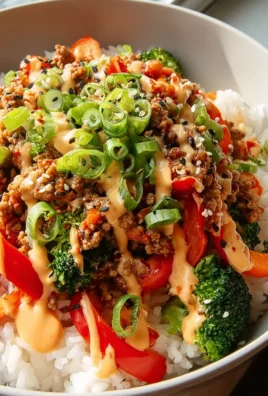
- Serve Over Grains: Pile the vegetables over a bed of fluffy brown rice, quinoa, or even noodles for a hearty bowl.
- Experiment with Herbs and Spices: While the Asian-inspired sauce is fantastic, you could also go for a Mediterranean twist with dried oregano, basil, and a squeeze of lemon, or an Indian-inspired flavor with a pinch of curry powder and cumin.
Storage
One of the great things about these Healthy Sautéed Vegetables is how well they store, making them ideal for meal prep or enjoying leftovers. Proper storage ensures they remain fresh and delicious for future meals.
- Cool Completely: Before storing, allow the sautéed vegetables to cool down to room temperature. This prevents condensation from building up in the container, which can make the vegetables soggy and encourage bacterial growth.
- Airtight Container: Transfer the cooled vegetables to an airtight container. This helps to maintain their freshness and prevents them from absorbing odors from other foods in the refrigerator.
- Refrigeration: Stored properly in the refrigerator, these sautéed vegetables will keep well for 3-4 days.
- Reheating:
- Stovetop: For the best results, reheat the vegetables in a skillet over medium heat with a tiny splash of water or broth. Stir frequently until just warmed through. This method helps to restore some of their tender-crisp texture.
- Microwave: If you’re in a hurry, you can reheat them in the microwave. Place the vegetables in a microwave-safe dish and heat on high for 1-2 minutes, stirring halfway through, until warmed. Be mindful that this method can sometimes make them a bit softer.
- Freezing (Not Recommended): While technically possible, freezing sautéed vegetables isn’t ideal for this particular dish. The texture often becomes very soft and watery upon thawing due to the high water content of many vegetables. It’s best enjoyed fresh or from the refrigerator within a few days.
Final Thoughts
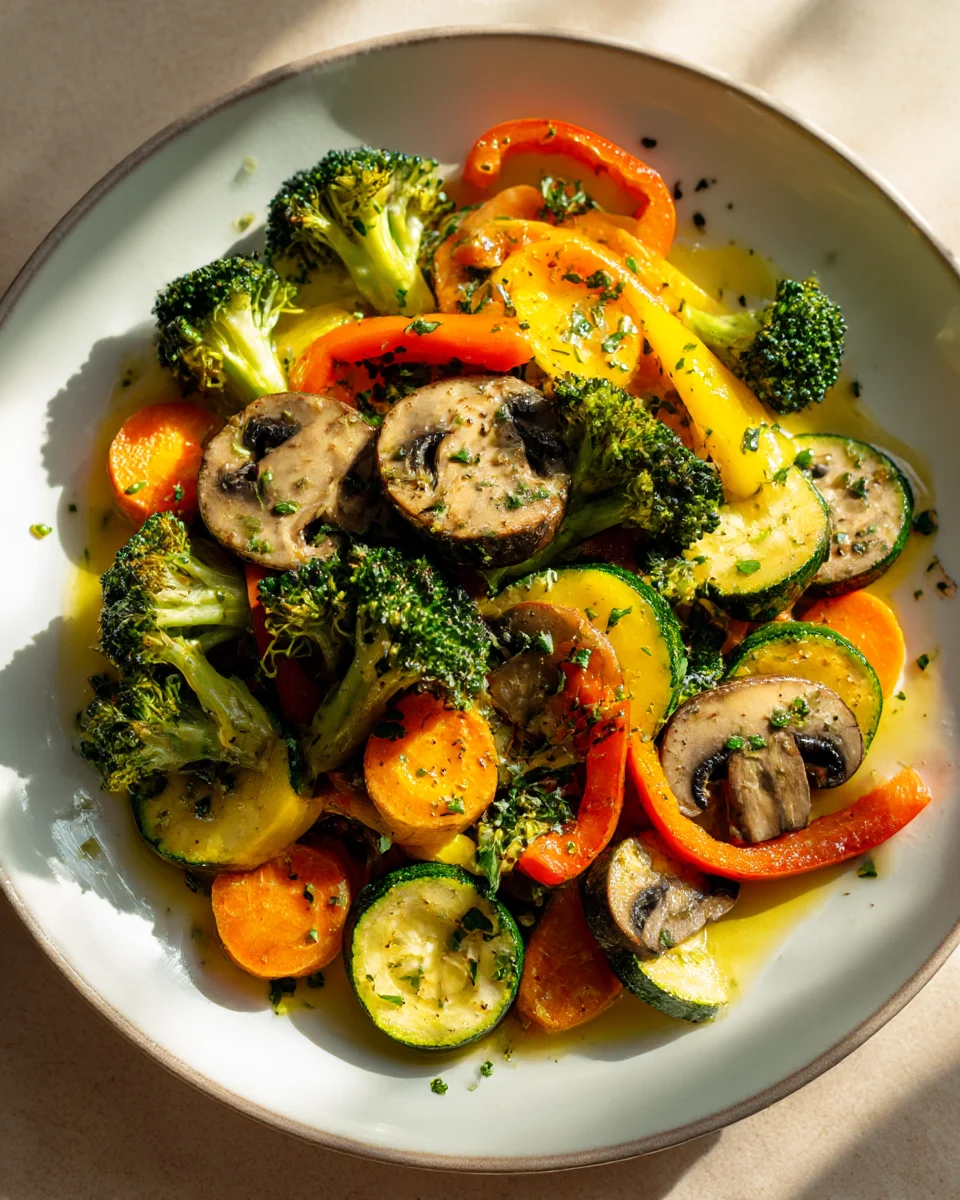
And there you have it! My absolute favorite way to bring a burst of color and nutrition to any plate. I truly believe that the Healthy Sauteed Vegetables Quick Flavorful Nutritious Side isn’t just a recipe; it’s a culinary secret weapon for busy individuals and a delightful complement to countless main courses. Its incredible speed and ease, combined with the vibrant, wholesome flavors, make it an undeniable must-try. You get all the goodness of fresh, nutritious vegetables, perfectly cooked in mere minutes, making healthy eating both convenient and incredibly satisfying. I wholeheartedly encourage you to give this dish a try and experience for yourself how effortlessly you can elevate your meals. Trust me, once you add this gem to your repertoire, your taste buds and your schedule will thank you!

Leave a Comment