
?p=13058 is your exclusive invitation to rediscover true culinary comfort, a warmth that promises to embrace you from the very first enticing aroma. Have you ever yearned for a dish that feels like a gentle hug on a plate, a timeless classic that instantly conjures cherished memories of home-cooked goodness? Today, I am absolutely delighted to share with you a recipe that perfectly embodies that profound sense of contentment: the quintessential Classic Chicken Pot Pie. This isn’t merely a meal; it’s a harmonious blend of tender, succulent chicken, vibrant, garden-fresh vegetables, and a luxuriously creamy sauce, all lovingly tucked beneath a magnificent, golden, flaky pastry crust.
The rich heritage of savory pies can be traced back through centuries, evolving from ancient Roman and medieval European traditions, eventually blossoming into the beloved staple we cherish in modern American households. People adore Chicken Pot Pie not only for its incredible taste and supremely satisfying textures but also for the sheer convenience of presenting a complete, hearty meal in one glorious dish. It is utterly perfect for a cozy family dinner, an indulgent treat on a chilly evening, or even an impressive yet unfussy centerpiece for a casual gathering. The true magic lies in its robust nature and the masterful way it brings together so many delightful flavors. This particular iteration, which we proudly present as ?p=13058, has been meticulously crafted to ensure every single bite delivers that exquisite balance of savory richness and nostalgic bliss. Prepare yourself to savor the ultimate in comfort food!
Ingredients:
- For the Beef Stew:
- 2 tablespoons olive oil, divided
- 2 ½ – 3 pounds beef chuck roast, well-marbled, trimmed of excess fat and cut into 1 ½ to 2-inch cubes
- 1 ½ teaspoons kosher salt, divided, plus more to taste
- 1 teaspoon freshly ground black pepper, divided, plus more to taste
- 1 large yellow onion, peeled and roughly chopped (about 2 cups)
- 4 cloves garlic, minced
- 2 tablespoons all-purpose flour
- 1 cup dry red wine (such as Cabernet Sauvignon or Merlot), optional but highly recommended for depth of flavor
- 6 cups good quality beef broth, low-sodium preferred
- 1 (14.5-ounce) can crushed tomatoes or diced tomatoes, undrained
- 2 tablespoons tomato paste
- 3 sprigs fresh thyme
- 2 bay leaves
- 3 medium carrots, peeled and cut into 1-inch chunks
- 2 large celery stalks, trimmed and cut into 1-inch chunks
- 1 large parsnip, peeled and cut into 1-inch chunks (optional, but adds wonderful sweetness)
- 1 ½ pounds Yukon Gold or red potatoes, scrubbed clean (no need to peel!), cut into 1 ½-inch chunks
- 1 tablespoon Worcestershire sauce
- 2 tablespoons fresh parsley, chopped, for garnish
- For the Herb Dumplings:
- 1 ½ cups self-rising flour (or all-purpose flour plus 2 teaspoons baking powder and ½ teaspoon salt)
- ¼ teaspoon kosher salt
- ¼ teaspoon freshly ground black pepper
- ½ teaspoon dried mixed herbs (such as Herbes de Provence or a blend of oregano, thyme, and rosemary) or 1 tablespoon fresh chopped herbs (like chives or parsley)
- ¼ cup cold unsalted butter, cut into small cubes
- ½ cup cold milk, plus an additional tablespoon if needed
Preparing the Beef and Vegetables
My absolute favorite way to make a truly spectacular beef stew starts with a bit of patience and a lot of love, right from the very beginning. This is where we lay the foundation for all those rich, complex flavors that make a stew so incredibly comforting.
- Prepare the Beef: First things first, let’s get that beautiful beef ready. Pat the beef cubes thoroughly dry with paper towels. This is a crucial step! Excess moisture prevents browning, and browning is where the magic truly begins. Sprinkle the beef generously with 1 teaspoon of kosher salt and ½ teaspoon of black pepper, tossing to ensure an even coating. I always say, don’t be shy with the seasoning here; it really makes a difference.
- Sear the Beef: Heat 1 tablespoon of olive oil in a large, heavy-bottomed Dutch oven or oven-safe pot over medium-high heat until shimmering. You want it hot enough to create a beautiful crust. Add about half of the seasoned beef cubes to the hot pot, making sure not to overcrowd the pan. Overcrowding will steam the meat instead of searing it, and we want that gorgeous, deep brown color. Sear the beef for about 3-4 minutes per side, turning occasionally, until a rich, dark crust has formed on all sides. Remove the seared beef with a slotted spoon and transfer it to a plate. Repeat this process with the remaining 1 tablespoon of olive oil and the rest of the beef. Once all the beef is seared and set aside, you’ll notice a wonderful fond (those browned bits) stuck to the bottom of the pot – that’s pure flavor, my friends!
- Sauté Aromatics: Reduce the heat to medium. Add the chopped yellow onion to the same pot, along with another pinch of salt. Cook, stirring occasionally, for 5-7 minutes, until the onion has softened and turned translucent, scraping up any browned bits from the bottom of the pot as you stir. This is where those delicious fond bits begin to release their flavor into the onions. Add the minced garlic and cook for another minute until fragrant, being careful not to let it burn. Burnt garlic can turn bitter quickly, and we certainly don’t want that!
- Build the Flavor Base: Sprinkle the 2 tablespoons of all-purpose flour over the softened onions and garlic. Stir continuously for 1-2 minutes, allowing the flour to cook out its raw taste. This step creates a roux, which will help thicken our stew beautifully later on. Next, pour in the 1 cup of dry red wine, if you’re using it. Increase the heat slightly and bring it to a simmer, scraping vigorously with a wooden spoon to deglaze the pot and incorporate all those flavorful browned bits from the bottom. Let the wine simmer for about 2-3 minutes, reducing slightly. Oh, the aroma at this stage is absolutely intoxicating!
- Combine Liquids and Seasonings: Stir in the beef broth, crushed or diced tomatoes, and tomato paste. Add the fresh thyme sprigs and bay leaves. Return the seared beef and any accumulated juices from the plate back into the pot. Stir everything gently to combine.
- Add the Root Vegetables: Now it’s time for the vibrant vegetables! Add the carrots, celery, parsnip (if using), and potatoes to the pot. Stir in the remaining ½ teaspoon of kosher salt and ½ teaspoon of black pepper, along with the 1 tablespoon of Worcestershire sauce. The Worcestershire sauce adds a subtle umami depth that really rounds out the flavors.
Simmering the Stew
This is where the magic truly happens, transforming simple ingredients into a rich, fork-tender masterpiece. Slow cooking is key to developing the deep flavors and melt-in-your-mouth texture we’re aiming for.
- Slow Cook to Perfection: Bring the stew mixture to a gentle simmer over medium-high heat. Once simmering, reduce the heat to low, cover the pot tightly, and let it cook. I like to cook my stew for at least 2 to 2 ½ hours on the stovetop, or you can transfer it to a preheated oven at 325°F (160°C) and cook for the same amount of time. The goal is for the beef to be incredibly tender, easily pierced with a fork, and the vegetables soft but not mushy. Stir occasionally to prevent sticking and ensure even cooking. If the stew seems too thick during cooking, you can add a splash more beef broth or water. Conversely, if it’s too thin for your liking towards the end, you can simmer it uncovered for the last 30 minutes or so to allow it to reduce.
- Taste and Adjust: Once the beef is wonderfully tender, remove the thyme sprigs and bay leaves. Give the stew a good stir and taste it. This is your moment to shine as a chef! Adjust the seasoning as needed with more salt and pepper. Sometimes a little extra savory depth is welcome, so don’t be afraid to add another dash of Worcestershire or even a tiny splash of red wine vinegar to brighten things up if it feels a little flat. I often find a tiny bit of brightness elevates the entire dish.
Preparing and Cooking the Herb Dumplings
These fluffy, herb-flecked dumplings are the crown jewel of this stew. They cook right on top of the simmering stew, absorbing all those delicious flavors and creating a truly comforting experience. They’re surprisingly simple to make, but they elevate the dish from great to absolutely extraordinary.
- Make the Dumpling Dough: While the stew is simmering away in its final stages (about 20-30 minutes before it’s ready), prepare your dumpling dough. In a medium-sized mixing bowl, combine the self-rising flour, ¼ teaspoon kosher salt, ¼ teaspoon black pepper, and the dried or fresh herbs. Give it a good whisk to ensure everything is evenly distributed.
- Cut in the Butter: Add the cold unsalted butter cubes to the flour mixture. Using your fingertips, a pastry blender, or two knives, quickly cut the butter into the flour until the mixture resembles coarse breadcrumbs with some pea-sized pieces of butter remaining. The key here is to work quickly so the butter stays cold; this is what helps create those light, fluffy dumplings.
- Form the Dough: Pour the ½ cup of cold milk into the flour mixture. Use a fork or your hands to gently mix until a soft, shaggy dough forms. Be careful not to overmix! Overworking the dough will result in tough dumplings, and we want them light and cloud-like. If the dough seems too dry, add an additional tablespoon of cold milk, a little at a time, until it just comes together.
- Shape the Dumplings: Lightly flour your hands. Take small spoonfuls (about 1-2 tablespoons each) of the dough and gently roll them into rough balls. Don’t worry about perfection; rustic is charming! You should get about 10-12 dumplings from this recipe.
- Cook the Dumplings: Carefully arrange the shaped dumplings on top of the simmering beef stew. Make sure they are sitting on the surface of the stew rather than submerged. They need steam to cook properly. Ensure the stew is actively simmering but not boiling aggressively. Cover the pot tightly with its lid. Reduce the heat to low-medium and let the dumplings steam for 15-20 minutes without lifting the lid. It’s crucial not to peek! Lifting the lid releases the steam, which is essential for the dumplings to cook through and become wonderfully puffy. They will double in size and become gloriously fluffy and light.
Serving the Stew
The final touches are just as important as the initial steps. Taking a moment to appreciate the fruits of your labor and present them beautifully makes the meal all the more enjoyable.
- Rest and Garnish: Once the dumplings are cooked through (they should feel firm and springy when lightly touched, if you absolutely must peek at the very end), remove the pot from the heat. Let the stew rest, covered, for 5-10 minutes. This allows the flavors to meld even further and the dumplings to settle slightly.
- Serve: Ladle generous portions of this magnificent beef and root vegetable stew into warm bowls, making sure each serving gets a couple of those fluffy herb dumplings. Garnish with a sprinkle of fresh chopped parsley for a burst of color and fresh herbaceousness. This stew is a meal in itself, perfect for a chilly evening or a comforting Sunday dinner. It truly embodies warmth and nourishment, and I promise you, every spoonful will taste like a hug. Enjoy every single bite!
Conclusion:
Well, my friends, we’ve reached the sweet (or savory!) culmination of our culinary journey together, and I truly hope you’re as excited as I am about what we’ve created. This isn’t just another recipe; it’s a testament to the power of simple, honest ingredients coming together in a way that truly transcends expectations. I’ve poured my heart into perfecting this dish, and I genuinely believe it’s a must-try for anyone who loves good food, desires to impress their dinner guests, or simply wants to bring a little extra joy to their weeknight meals. Its profound depth of flavor, achieved with surprisingly little fuss, is something I’m incredibly proud of, and I know you’ll feel the same satisfaction once you’ve experienced it firsthand.
The beauty of this recipe lies in its exquisite balance – a delightful dance between textures and tastes that awakens the palate. Imagine the perfect harmony of rich, savory notes with a hint of bright acidity and an irresistible underlying warmth, all singing in unison. It’s sophisticated enough to grace the most elegant of dinner parties, yet comforting and approachable enough for a relaxed family supper. You’ll be amazed at how easily you can achieve restaurant-quality results right in your own kitchen, creating a meal that tastes like it took hours of painstaking effort, when in reality, it’s remarkably straightforward. This particular recipe, in my humble opinion, is a true culinary gem, a delightful discovery akin to finding that perfect, unique identifier for something special, perhaps even something as specific and memorable as p=13058, signifying a truly exceptional find in your personal collection of go-to recipes.
But the adventure doesn’t end with the initial creation! One of the things I adore most about this dish is its incredible versatility. While it’s absolutely sensational served exactly as described, I wholeheartedly encourage you to make it your own. For a truly satisfying meal, I love pairing it with a fluffy mound of jasmine rice or a hearty quinoa pilaf, allowing them to soak up every last drop of that glorious sauce. If you’re leaning towards something lighter, a fresh, crisp green salad with a bright lemon vinaigrette provides a wonderful contrast. And don’t even get me started on crusty artisan bread – it’s simply divine for mopping up those delectable juices!
Endless Possibilities for Customization
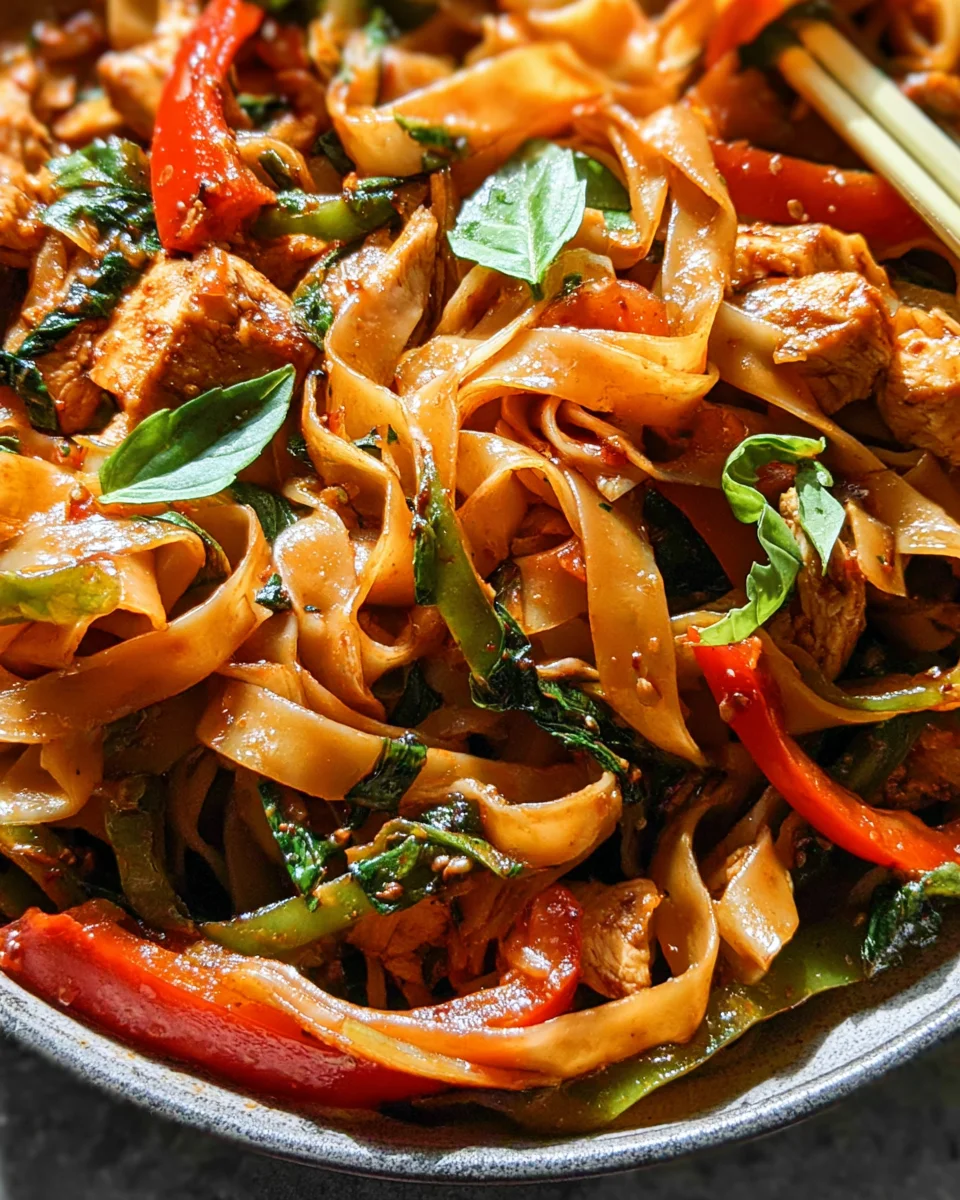
Feeling creative? The possibilities for variations are endless! For an extra layer of richness, try swirling in a touch of coconut cream or a dollop of crème fraîche towards the end of cooking. If you crave a bit of heat, a pinch of red pepper flakes or a finely diced jalapeño can add a fantastic kick. For my vegetarian friends, this recipe adapts beautifully: consider swapping out the main protein for pan-seared halloumi, roasted portobello mushrooms, or even a robust mix of seasonal vegetables like bell peppers, zucchini, and cherry tomatoes. You could even transform it into a vibrant stir-fry by adding some crunchy snap peas, julienned carrots, and baby corn, serving it over rice noodles. This dish isn’t just a recipe; it’s a foundation, a canvas awaiting your unique culinary artistry.
Now, it’s your turn! I genuinely can’t wait for you to experience the magic of this recipe. Please, set aside some time, gather your ingredients, and immerse yourself in the delightful process of bringing this incredible meal to life. I promise you, the rewards are immense – not just in the incredible flavors you’ll savor, but in the pure joy of creating something wonderful with your own hands. Once you’ve had the pleasure of tasting it, I’d absolutely be thrilled to hear all about your experience! Did you stick to the original, or did you put your own spin on it? What were your favorite accompaniments?
Share Your Culinary Adventures!
Share your stories, your triumphs, and even your kitchen adventures with me! Tag me with your photos; seeing your delicious creations truly makes my day and inspires me endlessly. Let’s build a wonderful community of food lovers who aren’t afraid to get their hands dirty and share in the pure, unadulterated pleasure of cooking and eating together. Happy cooking, everyone!
Hearty Beef Stew with Non-Alcoholic Red Wine Alternative and Herb Dumplings
Rediscover true culinary comfort with this Hearty Beef Stew, complemented by fluffy Herb Dumplings. A timeless classic, it’s a harmonious blend of tender beef, vibrant vegetables, and a rich, savory broth, offering a profound sense of contentment. Perfect for a cozy family dinner, it delivers an exquisite balance of savory richness and nostalgic bliss, embodying warmth and nourishment.
Ingredients
Instructions
Important Information
Nutrition Facts (Per Serving)
It is important to consider this information as approximate and not to use it as definitive health advice.
Allergy Information
Please check ingredients for potential allergens and consult a health professional if in doubt.


Leave a Comment