
Lemon Vinaigrette Recipe is more than just a dressing; it’s a culinary secret weapon that can elevate almost any dish from good to absolutely unforgettable. Have you ever wondered how some meals achieve that perfect balance of zest and freshness, making every bite sing? Often, the answer lies in a beautifully crafted vinaigrette. Originating from the rich traditions of French cuisine, where simple yet profound flavor combinations reign supreme, vinaigrettes have long been celebrated for their ability to brighten and enhance natural ingredients without overpowering them. And when it comes to a truly vibrant and versatile option, the humble lemon takes center stage.
I find that people adore this particular dressing for its incredible versatility and its unparalleled ability to refresh the palate. The bright, tangy notes of fresh lemon, perfectly balanced with the richness of olive oil, create a symphony of flavors that is both invigorating and utterly delicious. It’s not just for salads; imagine it drizzled over roasted vegetables, grilled chicken, or even delicate seafood, adding a burst of sunshine to every plate. Today, I am thrilled to guide you through mastering this essential Lemon Vinaigrette Recipe, promising a homemade dressing that tastes infinitely better and fresher than anything you’ll buy from a bottle. Get ready to transform your cooking with this simple, yet powerful, concoction!
Ingredients:
My homemade Lemon Vinaigrette Recipe is a true game-changer in the kitchen. It’s incredibly versatile and brings a burst of fresh, vibrant flavor to so many dishes. Here’s what you’ll need to whip up this liquid gold:
- Fresh Lemons: You’ll need 2-3 medium-sized, ripe lemons. For the very best results, always opt for fresh lemons over bottled juice. The zest and juice from fresh lemons provide an unparalleled brightness and aromatic quality that really defines this vinaigrette. Look for lemons that are firm, heavy for their size, and have a smooth, bright yellow skin. We’ll be using both the zest and the juice, so ensure they’re well-washed.
- Extra Virgin Olive Oil: Approximately ½ cup of high-quality extra virgin olive oil. This is the backbone of our vinaigrette, providing a luxurious mouthfeel and a subtle peppery note that beautifully complements the lemon. I always recommend using a good quality olive oil here, as its flavor will shine through. Avoid light or refined olive oils if you want that rich, authentic taste.
- Dijon Mustard: 1 teaspoon of smooth Dijon mustard. This might seem like a small amount, but it’s crucial for emulsification. Dijon mustard contains compounds that help bind the oil and lemon juice together, preventing them from separating too quickly. It also adds a subtle tang and depth of flavor without being overpowering. Don’t worry, your vinaigrette won’t taste like mustard!
- Garlic: 1 small clove of fresh garlic, minced very finely or grated. Fresh garlic adds a lovely aromatic kick and a touch of savory complexity. If you’re not a fan of raw garlic, you can omit it, but I find it really elevates the flavor profile of this Lemon Vinaigrette Recipe.
- Salt: ½ teaspoon of fine sea salt or kosher salt, or to taste. Salt is essential for bringing out and balancing all the flavors. Start with ½ teaspoon and adjust as needed.
- Black Pepper: ¼ teaspoon of freshly ground black pepper, or to taste. Freshly ground pepper adds a beautiful aroma and a slight bite.
- Optional Sweetener: A tiny pinch (¼ teaspoon) of granulated sugar, maple syrup, or honey. Sometimes, lemons can be quite tart, and a touch of sweetness can help balance the acidity, especially if you prefer a slightly less sharp vinaigrette. This is entirely optional and depends on your preference and the tartness of your lemons.
Equipment You’ll Need:
Having the right tools makes the process of creating your perfect Lemon Vinaigrette Recipe smooth and enjoyable. You won’t need anything fancy, just a few kitchen essentials:
- Small Mixing Bowl or Jar with a Tight-Fitting Lid: A bowl is great for whisking, but a jar is absolutely fantastic for shaking and storing your vinaigrette. I often use a pint-sized Mason jar because it allows for vigorous shaking, which is key for a good emulsification.
- Whisk or Fork: If using a bowl, a whisk is ideal for combining the ingredients thoroughly and encouraging emulsification. A fork can work in a pinch, but a whisk provides more aeration.
- Citrus Juicer: To extract every last drop of juice from your lemons. A hand-held reamer or a countertop juicer will make this task quick and efficient.
- Microplane Zester: For grating the lemon zest. A microplane produces very fine zest, which disperses beautifully throughout the vinaigrette without being chunky.
- Garlic Press or Small Grater: For mincing your garlic quickly and finely. If you don’t have one, a sharp knife and a cutting board will do the trick – just ensure the garlic is minced as finely as possible to avoid large, pungent pieces in your dressing.
- Measuring Spoons and Cups: For accurate measurement of your ingredients, ensuring consistency in your Lemon Vinaigrette Recipe every time.
The Heart of Freshness: Crafting Your Perfect Lemon Vinaigrette
Now, let’s get to the fun part – assembling this incredible Lemon Vinaigrette Recipe. The process is simple, but paying attention to a few details will ensure a beautifully emulsified and flavorful dressing.
- Prepare Your Lemons: First things first, wash your lemons thoroughly. Using a microplane zester, carefully zest one of the lemons, making sure to only get the bright yellow part and avoid the bitter white pith underneath. I like to start with the zest because its essential oils are incredibly aromatic and infuse beautifully into the vinaigrette. Place the lemon zest into your mixing bowl or jar. Then, halve the zested lemon and the remaining lemons, and using your citrus juicer, squeeze out all the juice. You should aim for about ¼ cup of fresh lemon juice. Pour this fresh lemon juice directly into the bowl with the zest.
- Combine Wet Ingredients and Aromatics: To the lemon juice and zest, add your teaspoon of Dijon mustard, your finely minced garlic clove, the ½ teaspoon of salt, and ¼ teaspoon of freshly ground black pepper. If you’re using a touch of optional sweetener, add it now as well. Give these ingredients a good whisk or shake if you’re using a jar. This initial mixing helps to dissolve the salt and sugar and distribute the mustard and garlic evenly, forming the flavorful base of your vinaigrette.
- Emulsify with Olive Oil: This is where the magic happens! If you’re using a bowl, slowly drizzle in the ½ cup of extra virgin olive oil while continuously whisking vigorously. The key here is to add the oil slowly and steadily in a thin stream. This gradual addition, combined with constant agitation, allows the oil to break down into tiny droplets that become suspended in the lemon juice and mustard mixture, creating a smooth, creamy, and cohesive emulsion. If you’re using a jar, simply pour in all the olive oil, secure the lid tightly, and shake vigorously for 30-60 seconds, until the mixture appears thick and uniform. You’ll notice the vinaigrette transform from separated layers into a lovely, opaque, pale yellow liquid.
- Taste and Adjust: This step is crucial for any great recipe. Once your vinaigrette is beautifully emulsified, give it a taste test. Dip a small piece of lettuce or a spoon into the dressing. Does it need more salt? A little more pepper? Perhaps a touch more lemon juice for extra brightness? Or maybe a tiny bit more olive oil to mellow the acidity? Don’t be afraid to adjust the seasonings to suit your personal preference. Remember, the perfect Lemon Vinaigrette Recipe is one that tastes perfect to you.
Elevating Your Lemon Vinaigrette: Flavor Variations and Enhancements
While my basic Lemon Vinaigrette Recipe is fantastic on its own, it’s also an excellent canvas for culinary creativity. Here are some ideas to customize and enhance its flavor profile, allowing you to tailor it to specific dishes or simply explore new tastes:
- Herby Freshness: Finely chop 1-2 tablespoons of fresh herbs and stir them into your finished vinaigrette. Dill, parsley, chives, basil, or oregano all work wonderfully. A mix of fine herbs like French fines herbes can add a sophisticated touch. This is perfect for green salads or as a dressing for grilled fish.
- Spicy Kick: For those who love a bit of heat, add a pinch of red pepper flakes (¼-½ teaspoon) to the vinaigrette. You can also incorporate a tiny dash of hot sauce if you prefer. This version is excellent with grain bowls, roasted vegetables, or as a marinade for chicken.
- Sweet & Tangy: If you want a slightly sweeter profile that’s still vibrant, consider adding a tablespoon of pure maple syrup or honey, or even a very small amount of agave nectar, to the initial lemon juice mixture. This is particularly good for fruit salads that feature greens, or for dressings for dishes with a hint of sweetness already present.
- Umami Boost: A tiny splash (½ teaspoon) of soy sauce or tamari can add an unexpected depth and umami richness. This variation works surprisingly well and is fantastic for Asian-inspired salads, noodle dishes, or as a marinade for tofu.
- Mediterranean Flair: Add ½ teaspoon of dried oregano, a pinch of dried basil, and perhaps a tablespoon of finely chopped Kalamata olives (if you like them!) to your vinaigrette. This transforms it into a dressing perfect for Greek or Mediterranean-style salads with feta cheese and cucumbers.
- Garlic Lover’s Dream: If you’re truly a garlic aficionado, increase the minced garlic to two cloves, or even roast a clove of garlic until soft, mash it, and incorporate it for a milder, sweeter garlic flavor.
- Shallot Infusion: For a more delicate oniony note than garlic, finely mince half a shallot and add it to the vinaigrette. Shallots provide a lovely, subtle onion flavor without being too pungent.
Serving Suggestions: How to Enjoy Your Homemade Lemon Vinaigrette
Once you’ve mastered this versatile Lemon Vinaigrette Recipe, you’ll find endless ways to incorporate it into your meals. Its bright, zesty character makes it a fantastic complement to a wide range of ingredients and dishes.
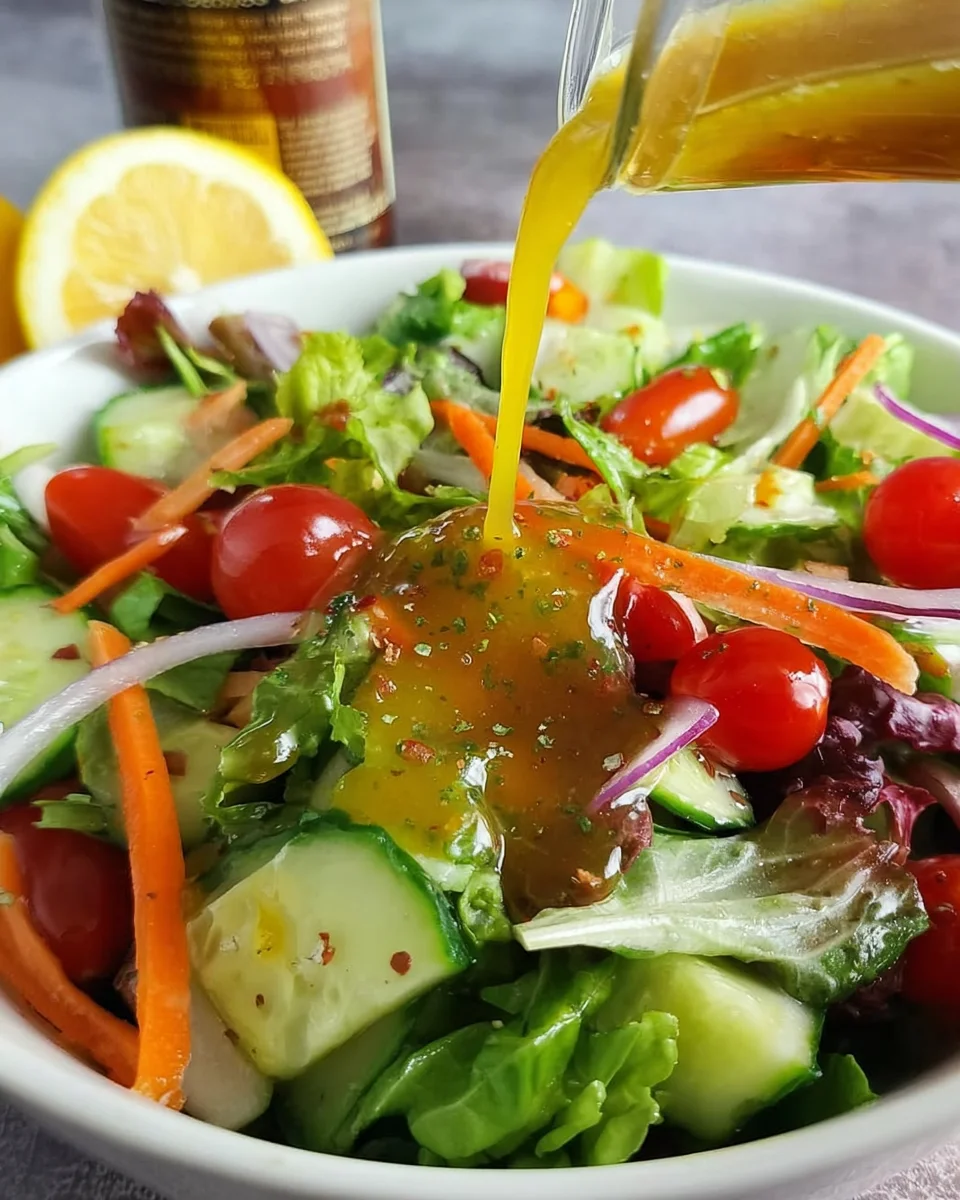
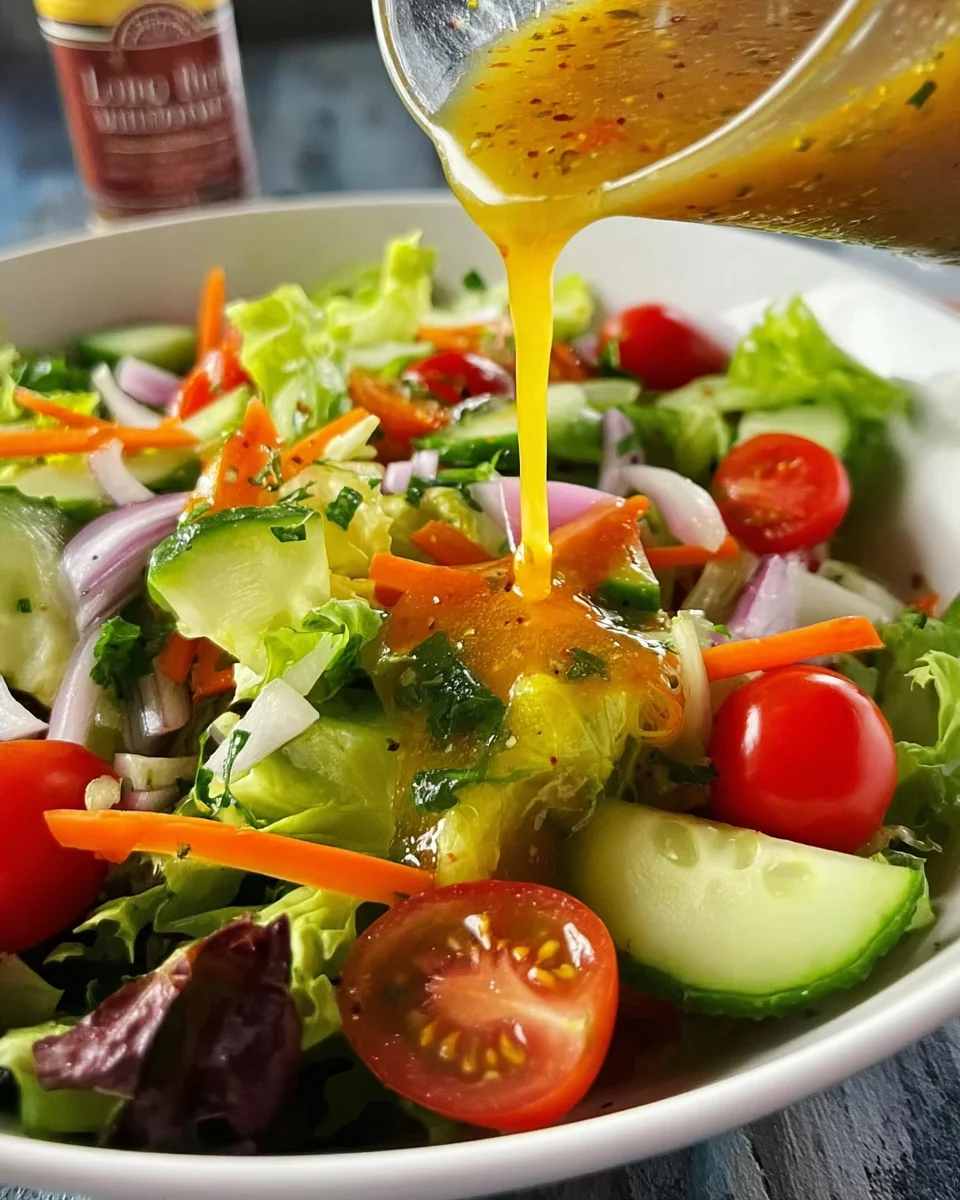
- Classic Green Salads: This is arguably its most famous application. Drizzle it over simple mixed greens with cherry tomatoes, cucumber, and perhaps some crumbled goat cheese or feta. The vinaigrette breathes life into even the most basic salad.
- Grain Bowls and Power Bowls: Transform your quinoa, farro, or brown rice bowls. Add roasted vegetables, grilled chicken or chickpeas, and a generous pour of lemon vinaigrette for a fresh, healthy, and flavorful meal. It brightens up the entire dish and ties all the components together.
- Roasted Vegetables: My favorite way to elevate roasted vegetables is with this vinaigrette. Toss freshly roasted broccoli, asparagus, Brussels sprouts, or root vegetables with the vinaigrette while they’re still warm. The heat helps the flavors penetrate, and the acidity balances the richness of the roasted veggies.
- Grilled Fish or Chicken: Before serving, spoon or brush this vinaigrette over grilled salmon, cod, shrimp, or chicken breasts. It acts as a finishing sauce, adding a burst of freshness and moisture that really enhances the flavor of lean proteins. It’s also fantastic as a light marinade for fish or chicken before grilling.
- Pasta Salads: Replace heavier creamy dressings in pasta salads with this vibrant vinaigrette. It works beautifully with tri-color pasta, sun-dried tomatoes, olives, fresh mozzarella, and herbs for a light and refreshing side dish.
- Potato Salads: For a lighter, tangier potato salad than the traditional mayonnaise-based versions, toss warm boiled potatoes with the lemon vinaigrette, along with fresh herbs like dill or parsley, and some finely chopped celery or red onion.
- Marinating Vegetables or Proteins: Use it as a quick marinade for vegetables like bell peppers or zucchini before grilling, or for delicate fish fillets. The lemon juice tenderizes slightly while infusing incredible flavor.
- Dipper for Crusty Bread: Sometimes, the simplest pleasures are the best. Pour a small amount into a shallow dish and serve it alongside some warm, crusty bread for a delightful appetizer. You can even add a sprinkle of Parmesan cheese.
- Brightening Up Soups: A tiny drizzle over a bowl of vegetable soup or lentil soup just before serving can add an unexpected lift and brightness.
- Bean Salads: Toss chickpeas, cannellini beans, or black beans with this vinaigrette, along with some diced red onion, bell peppers, and cilantro for a quick, healthy, and satisfying bean salad.
Storage and Shelf Life: Keeping Your Lemon Vinaigrette Fresh
One of the many advantages of making your own Lemon Vinaigrette Recipe is that it stores well, meaning you can always have a delicious, fresh dressing on hand. Proper storage ensures both safety and the best flavor.
- Refrigeration is Key: Always store your homemade lemon vinaigrette in an airtight container, such as a jar with a tight-fitting lid, in the refrigerator. This is essential to prevent spoilage and maintain its freshness.
- Shelf Life: Typically, a homemade lemon vinaigrette will last for about 5-7 days in the refrigerator. The fresh garlic is usually the limiting factor; if you omit the fresh garlic, it might last a day or two longer, up to 10 days, but I generally recommend consuming it within a week for optimal flavor and quality.
- Separation is Normal: Don’t be alarmed if you notice your vinaigrette separating into layers after a short time in the fridge. This is completely natural. The oil and water-based ingredients (lemon juice, mustard) will separate as the oil cools and solidifies slightly, and their densities cause them to stratify.
- Bringing it Back to Life: Before each use, simply give the jar a vigorous shake for about 10-15 seconds. If you stored it in a bowl, a quick whisk will do the trick. This will re-emulsify the vinaigrette, bringing it back to its smooth, creamy consistency. If the olive oil has solidified significantly (which can happen with good quality extra virgin olive oil in a cold fridge), you might need to let it sit out at room temperature for 5-10 minutes to loosen up, or even run the jar under warm water for a few seconds, before shaking.
- Taste Before Using: Even if it looks good, it’s always a good practice to give your stored vinaigrette a quick taste before pouring it over your dish, especially if it’s been a few days. This ensures the flavors are still vibrant and nothing has gone off.
Troubleshooting Your Lemon Vinaigrette: Common Questions Answered
Making a delicious Lemon Vinaigrette Recipe is generally straightforward, but sometimes things don’t go exactly as planned. Here are some common issues you might encounter and how to fix them, ensuring your vinaigrette is always perfect.
- “My vinaigrette won’t emulsify, it keeps separating!”
This is the most common issue. The key to a stable emulsion is gradually adding the oil while continuously whisking or shaking vigorously. If your vinaigrette refuses to come together:
- Too Much Oil Too Fast: You likely added the olive oil too quickly. When oil is added in a large amount at once, the lemon juice and mustard don’t have enough time to break it down into tiny droplets, leading to separation.
- Not Enough Agitation: You need a good amount of energy to break down the oil. Whisk or shake more vigorously and for a longer duration.
- Solution: Don’t despair! Pour the separated mixture into a clean bowl. In a separate small bowl, add a fresh teaspoon of Dijon mustard (the emulsifier). Start whisking the fresh mustard, and then very slowly, drop by drop, add your separated vinaigrette back into the mustard, whisking continuously. Treat it like you’re starting over with just the oil, but now you’re adding the entire separated mixture back in. This almost always works to bring it back together.
- “My vinaigrette is too tart/acidic!”
Lemons vary in tartness. If your vinaigrette is making your mouth pucker, it’s easy to adjust:
- Add More Oil: Slowly drizzle in another tablespoon or two of extra virgin olive oil, whisking well. This will help to dilute the acidity without compromising flavor.
- Add a Touch of Sweetness: A tiny pinch (¼-½ teaspoon) of sugar, honey, or maple syrup can work wonders to balance the acidity. Start small, taste, and add more if needed.
- A Pinch of Salt: Sometimes, a little more salt can also help to temper the perception of extreme sourness.
- “My vinaigrette tastes too oily/bland!”
If the olive oil flavor is overpowering or the dressing lacks zing:
- More Lemon: Add another squeeze of fresh lemon juice, a little at a time, until the desired brightness is achieved.
- More Salt: Salt is a flavor enhancer. A little more salt can really make all the other flavors pop.
- More Aromatics: Consider adding a tiny bit more fresh garlic or a pinch of fresh herbs to boost the aromatic complexity.
- Check Oil Quality: Ensure you’re using a good quality extra virgin olive oil. If it’s too strong or unpleasant, perhaps try a slightly milder olive oil next time, or balance it with more lemon.
- “The garlic is too strong/raw tasting!”
Raw garlic can be quite pungent. If it’s too intense for your palate:
- Mince Finer: Ensure the garlic is extremely finely minced or even grated to disperse its flavor more evenly and reduce its harshness.
- Blanch Garlic: For a milder flavor, you can briefly blanch minced garlic in hot water for 30 seconds, then drain and pat dry before adding.
- Roast Garlic: For a sweet, mellow garlic flavor, roast a whole clove of garlic until soft, then mash and incorporate it. This transforms the garlic completely.
- Reduce Amount: Simply use less garlic next time, or omit it altogether if it’s not to your liking.
- “How do I know if it’s gone bad?”
Trust your senses! A homemade vinaigrette that has spoiled might have an off smell (sour, fermented, or moldy), show visible mold, or have a significantly changed color or texture. If you have any doubts, it’s always best to err on the side of caution and discard it. Remember, 5-7 days in the fridge is generally the safe guideline for this Lemon Vinaigrette Recipe.
Conclusion:
And there you have it! We’ve journeyed through the simple yet profound magic of creating something truly spectacular from humble ingredients. I genuinely believe that mastering this particular recipe is a game-changer for anyone looking to infuse fresh, vibrant flavors into their everyday meals. It’s not just about mixing a few items together; it’s about unlocking a level of culinary satisfaction that store-bought alternatives simply cannot match. The incredible balance of brightness, tang, and subtle richness transforms even the most basic salad into a gourmet experience. I often find myself reaching for these ingredients instinctively, knowing that in just a few minutes, I can elevate an entire dish from good to absolutely unforgettable. Trust me, once you try this, you’ll wonder how you ever managed without it. It’s truly a testament to the power of fresh, quality components coming together in perfect harmony to create something far greater than the sum of its parts.
This isn’t merely a condiment; it’s an essential culinary tool that will revolutionize your kitchen. What I adore most about this particular blend is its remarkable versatility. It’s light enough to complement delicate greens yet robust enough to stand up to heartier dishes. The incredible freshness it imparts is unparalleled, making every bite feel like a celebration of clean, natural flavors. I’ve personally witnessed how a drizzle of this liquid gold can awaken the palate and bring an unexpected zest to even the most familiar dishes. It’s a testament to how simple, well-crafted flavors can make a monumental difference. Furthermore, knowing exactly what goes into what you’re eating brings immense peace of mind, allowing you to savor every moment without concern. This commitment to fresh, wholesome ingredients is at the heart of why this Lemon Vinaigrette Recipe is truly a must-try for every home cook.
The beauty of this concoction extends far beyond just leafy green salads. While it shines brilliantly over mixed greens with a sprinkle of toasted nuts and crumbled feta, don’t stop there! I love to use it as a lively dressing for roasted vegetables; think asparagus, broccoli, or Brussels sprouts. The bright citrus cut through the earthiness beautifully. It also makes an exceptional marinade for grilled chicken or flaky white fish, tenderizing the protein while infusing it with layers of delightful tang. Try tossing it with warm pasta and cherry tomatoes for a quick and vibrant pasta salad, or even drizzle it over avocado toast for an unexpected morning delight. It’s also fantastic as a finishing touch on a simple lentil or quinoa bowl, adding a much-needed burst of flavor. Its potential is truly limited only by your imagination, inviting you to explore new taste combinations with confidence.
But wait, the fun doesn’t end with just one rendition! This recipe serves as a fantastic foundation for endless delicious variations. Want to add a herbaceous note? Stir in a tablespoon of finely chopped fresh dill, parsley, or chives. For a touch of warmth and subtle heat, a tiny pinch of red pepper flakes can do wonders. If you prefer a hint of sweetness to balance the tang, a teaspoon of maple syrup or honey can be incorporated seamlessly. Experiment with different types of vinegar – a splash of white wine vinegar or apple cider vinegar can subtly alter the profile, though I find the simplicity of the lemon and olive oil combination hard to beat. You could also introduce a minced shallot or a crushed garlic clove for an extra layer of aromatic complexity. Don’t be afraid to make it your own; that’s where the true joy of cooking lies!
So, now it’s your turn! I wholeheartedly encourage you to roll up your sleeves, gather your ingredients, and give this incredible recipe a try. You’ll be amazed at how effortlessly you can create something so flavorful and versatile right in your own kitchen. It’s an empowering feeling to craft something so delicious from scratch, and I promise, your taste buds will thank you. Once you’ve whipped up your batch and perhaps even experimented with your own unique twist, I would absolutely love to hear about your experience. Please share your creations, your serving suggestions, and any fantastic variations you discover. Your culinary adventures inspire me and the entire community. Happy cooking, and get ready to elevate your meals to a whole new level of deliciousness!
Homemade Lemon Vinaigrette Recipe: Bright, Tangy & Easy
This Lemon Vinaigrette is a culinary secret weapon, elevating dishes with a perfect balance of zest and freshness. Originating from French cuisine, this vibrant and versatile dressing, centered around the humble lemon, refreshes the palate and adds a burst of sunshine to everything from salads to roasted vegetables, grilled chicken, and seafood. Master this essential homemade dressing for a taste infinitely better and fresher than bottled alternatives.
Ingredients
Instructions
Important Information
Nutrition Facts (Per Serving)
It is important to consider this information as approximate and not to use it as definitive health advice.
Allergy Information
Please check ingredients for potential allergens and consult a health professional if in doubt.



Leave a Comment