
Pappadeaux Mardi Gras Pasta
Pappadeaux Mardi Gras Pasta – oh, my goodness, this dish is an absolute celebration on a plate! I can honestly say that the first time I tasted something like this, I was completely captivated by the vibrant flavors and the sheer joy it evoked. What makes this recipe so incredibly special is how it masterfully captures the festive, spirited energy of Mardi Gras and brings that iconic Pappadeaux experience right into your own kitchen. It’s not just a meal; it’s an event!
You, my friend, are going to absolutely love making and eating this pasta because it delivers that restaurant-quality, New Orleans-inspired indulgence without ever having to leave your home. Get ready for a truly spectacular blend of tender pasta bathed in a rich, velvety, and perfectly seasoned cream sauce. This isn’t just any pasta; it’s bursting with succulent shrimp, delectable crawfish, and savory slices of seasoned beef sausage, all mingling together to create an unforgettable symphony of flavors. It’s got that signature kick and a depth that will transport you straight to the lively streets of the French Quarter. It’s creamy, it’s exciting, and it’s pure, delicious happiness in every single bite – making any meal feel like a grand parade!
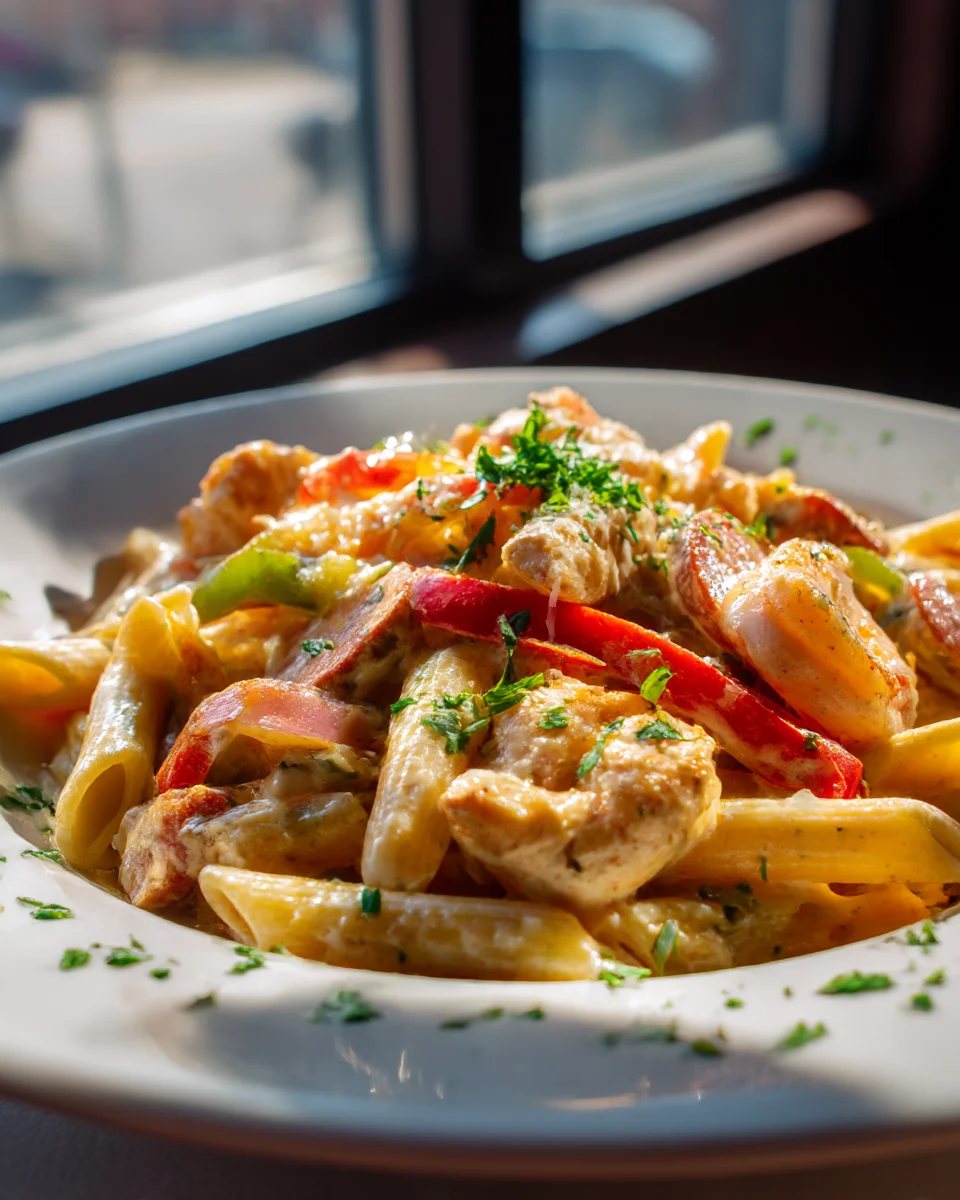
Welcome to my kitchen! Today, I’m thrilled to share with you my take on a truly iconic dish: Pappadeaux Mardi Gras Pasta. This recipe captures all the festive spirit and rich, vibrant flavors of New Orleans in a comforting, decadent pasta dish. It’s a celebration in a bowl, brimming with succulent seafood, savory beef sausage, and a lusciously creamy, perfectly spiced sauce that will transport you straight to the heart of the French Quarter. Get ready to impress your taste buds!
Ingredient Notes
Crafting the perfect Pappadeaux Mardi Gras Pasta starts with selecting the right ingredients. Here’s a breakdown of what you’ll need and some helpful substitution tips:
- The Proteins:
- Shrimp: I always go for large, peeled, and deveined shrimp. They’re a cornerstone of this dish. You can use frozen, just make sure to thaw them completely and pat them dry before cooking.
- Crawfish Tails: These add an authentic taste of Louisiana! If you can find pre-cooked, peeled crawfish tails, they’ll save you a lot of time. If crawfish aren’t available in your area, don’t fret! You can easily substitute with an equal amount of additional shrimp, or even some bay scallops for a different seafood twist.
- Beef Sausage: To bring that smoky, savory depth, I use a high-quality beef sausage, diced into bite-sized pieces. It’s a fantastic alternative to traditional pork sausage and still delivers on flavor. If you can find a beef andouille sausage, even better!
- Chicken Breast (Optional): Sometimes I like to add diced chicken breast for another layer of protein. It cooks up beautifully and soaks up all the wonderful flavors of the sauce.
- The Pasta: I personally love using fettuccine or linguine for this dish. Their broad, flat surfaces are perfect for holding onto that rich, creamy sauce. However, feel free to use your favorite pasta shape – penne, rigatoni, or even rotini would work wonderfully too. Just make sure it’s a shape that can stand up to a hearty sauce.
- The Holy Trinity + 1:
- Onion, Green Bell Pepper, Celery: This is the classic “Holy Trinity” of Cajun/Creole cooking. Make sure to dice them finely so they blend seamlessly into the sauce. For extra color, I often add some red or yellow bell pepper alongside the green.
- Garlic: Lots of fresh garlic! Minced finely, it’s absolutely essential for that aromatic punch.
- The Sauce Base:
- Heavy Cream: This is what gives our sauce its luxurious, velvety texture. There’s really no direct substitute that provides the same richness, but if you’re looking for a slightly lighter option, half-and-half could work in a pinch, though the sauce won’t be as thick.
- Chicken or Vegetable Broth: Use a good quality broth to add depth and help thin the sauce to the perfect consistency.
- Non-Alcoholic White Wine Alternative: This is my secret for adding a touch of acidity and complexity without using actual alcohol. Look for non-alcoholic white cooking wine or even a splash of white grape juice with a tiny bit of white vinegar can work beautifully to replicate that bright note.
- Tomato Paste: Just a tablespoon or two deepens the flavor and adds a lovely underlying richness to the sauce.
- The Spices:
- Cajun/Creole Seasoning: This is crucial for giving the dish its signature New Orleans flavor. Brands vary in heat and salt content, so taste as you go!
- Smoked Paprika: For a wonderful smoky depth and color.
- Cayenne Pepper: Adjust this to your heat preference. I love a good kick, but you can always add less or omit it if you’re sensitive to spice.
- Dried Thyme & Oregano: Classic herbs that complement the other flavors beautifully.
- Bay Leaf: Adds a subtle, aromatic background note. Remember to remove it before serving!
- For Garnish: Fresh chopped parsley and sliced green onions add a pop of color and freshness that really brightens up the dish. A squeeze of fresh lemon juice at the end also works wonders!
Step-by-Step Instructions
Let’s get cooking! Follow these steps to create your incredible Pappadeaux Mardi Gras Pasta:
1. Prep Your Ingredients
- First things first, chop all your vegetables: dice the onion, bell peppers, and celery. Mince the garlic.
- If using chicken, dice it into 1-inch pieces.
- Slice or dice your beef sausage.
- Pat your shrimp and crawfish tails dry with paper towels. This helps them sear nicely.
2. Cook the Pasta
- Bring a large pot of salted water to a rolling boil. Add your chosen pasta and cook according to package directions until it’s al dente – meaning it’s still firm to the bite.
- Before draining, reserve about 1 cup of the starchy pasta water. This is a magic ingredient for adjusting your sauce later! Drain the rest of the pasta and set aside.
3. Cook the Proteins
- In a large, deep skillet or Dutch oven, heat a tablespoon of olive oil over medium-high heat.
- Add the diced beef sausage (and chicken, if using) and cook until nicely browned and cooked through, about 5-7 minutes. Remove the cooked meats from the skillet and set aside, leaving any rendered fat in the pan.
- If needed, add another teaspoon of olive oil. Add the shrimp and crawfish tails to the hot skillet in a single layer. Cook for just 1-2 minutes per side until they turn opaque and pink. Be careful not to overcook them, as they’ll finish cooking in the sauce. Remove the seafood from the skillet and set aside with the other proteins.
4. Sauté the Aromatics
- Reduce the heat to medium. Add a tablespoon of butter (or more olive oil if preferred) to the skillet.
- Add the diced onion, bell peppers, and celery to the pan. Sauté for about 5-7 minutes, stirring occasionally, until the vegetables have softened.
- Stir in the minced garlic and cook for another minute until fragrant. Don’t let the garlic burn!
5. Build the Flavorful Sauce
- Pour in the non-alcoholic white wine alternative. Use a wooden spoon to scrape up any browned bits from the bottom of the pan – this is called deglazing, and it adds incredible flavor to your sauce. Let it simmer and reduce by about half, which should take just a couple of minutes.
- Stir in the tomato paste and cook for 1 minute, stirring constantly. This helps to deepen its flavor.
- Pour in the chicken or vegetable broth, heavy cream, Cajun/Creole seasoning, smoked paprika, cayenne pepper (to taste), dried thyme, dried oregano, and the bay leaf.
- Bring the sauce to a gentle simmer, then reduce the heat to low and let it cook for 5-7 minutes, stirring occasionally, until it slightly thickens. Taste and adjust seasonings as needed. If you feel it needs more heat, add a pinch more cayenne.
6. Combine and Serve
- Return all the cooked proteins (beef sausage, chicken, shrimp, and crawfish) to the skillet with the sauce.
- Add the cooked pasta and toss everything gently to ensure the pasta and proteins are well coated in the creamy sauce.
- If the sauce seems too thick, add a splash or two of your reserved pasta water until it reaches your desired consistency. Let it simmer gently for another 1-2 minutes to allow all the flavors to meld beautifully and for the seafood to finish cooking through.
- Remove the bay leaf before serving.
- Serve immediately, garnished generously with fresh chopped parsley and sliced green onions. A squeeze of fresh lemon juice over each serving is a fantastic touch!
Tips & Suggestions
- Don’t Overcook the Seafood: Shrimp and crawfish cook incredibly fast. I always pull them from the heat just as they turn opaque; they’ll finish cooking in the hot sauce, keeping them tender and juicy. Overcooked seafood can become rubbery, and we definitely don’t want that!
- Al Dente is Key: When cooking your pasta, aim for al dente. It will continue to absorb liquid and cook slightly more when you add it to the hot sauce, ensuring it’s perfectly textured and not mushy.
- The Magic of Pasta Water: That reserved starchy pasta water is your best friend! If your sauce becomes too thick while simmering or after adding the pasta, a splash or two will loosen it up beautifully while also helping the sauce cling to the pasta.
- Spice it Up (or Down): Cajun/Creole seasoning blends vary in their heat level. Always taste your sauce before adding too much cayenne. You can always add more, but you can’t take it away! For a milder dish, simply reduce or omit the cayenne pepper.
- Fresh Herbs Make a Difference: The fresh parsley and green onions aren’t just for looks; they add a wonderful freshness and brightness that balances the richness of the sauce. Don’t skip them!
- Lemon Zest or Juice: A little bit of fresh lemon juice or even a touch of lemon zest at the very end brightens all the flavors and adds a fantastic zing that truly elevates the dish.
- Serve with Crusty Bread: This pasta dish practically begs for some warm, crusty French bread to soak up every last drop of that amazing sauce. A simple side salad would also complement it perfectly.
Storage
- Refrigeration: Leftovers of Pappadeaux Mardi Gras Pasta store quite well in an airtight container in the refrigerator for up to 2-3 days.
- Reheating: When reheating, I recommend doing so gently on the stovetop over low heat. Add a splash of chicken broth or extra cream to help loosen the sauce and restore its creamy texture, as it can thicken quite a bit in the fridge. Stir frequently until heated through. Microwaving is an option, but the stovetop method generally yields better results for maintaining the texture of the pasta and seafood.
- Freezing: I generally don’t recommend freezing creamy pasta dishes, especially those with seafood. The heavy cream can sometimes separate upon thawing and reheating, leading to a grainy texture, and seafood can become rubbery. For the best quality and enjoyment, it’s truly a dish best enjoyed fresh.
Final Thoughts
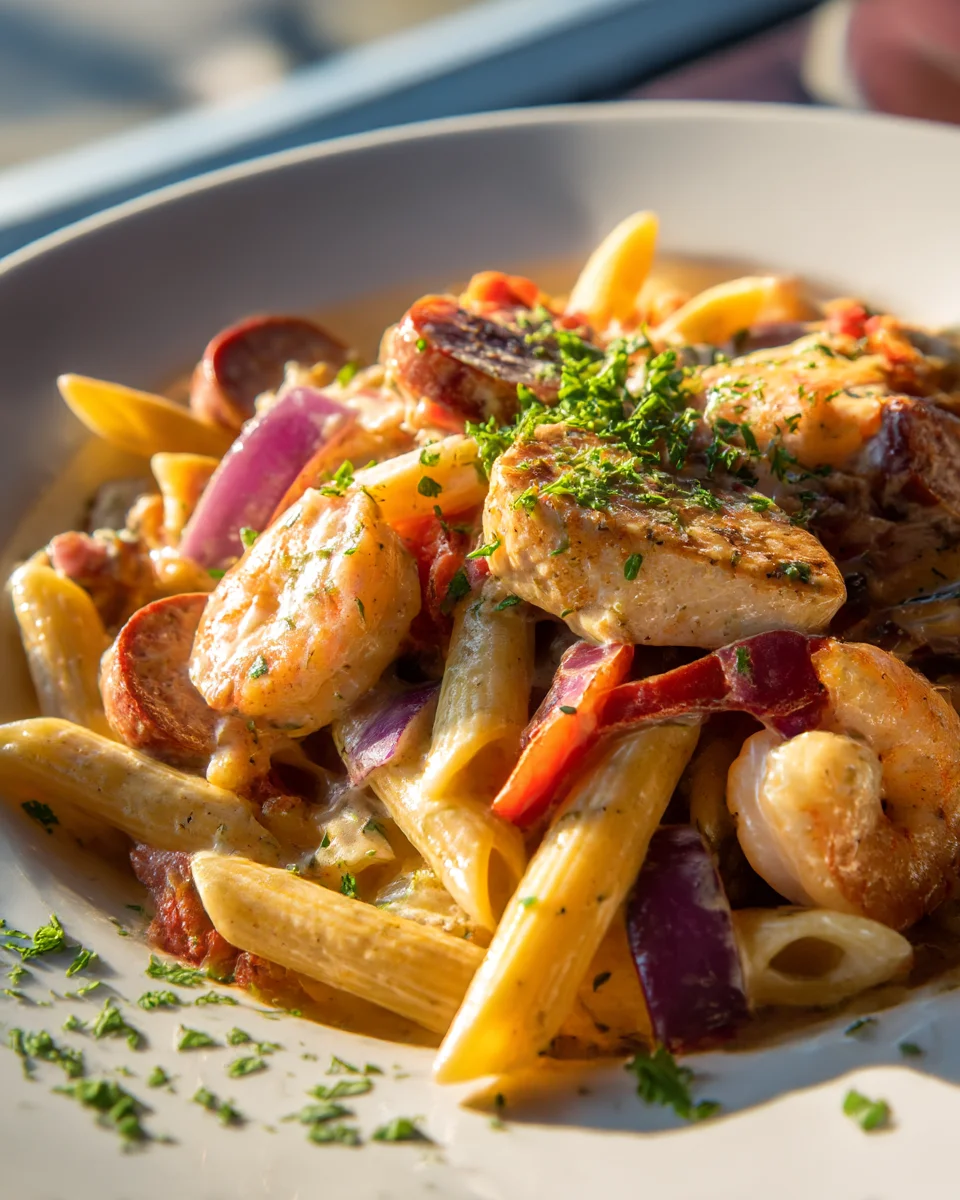
So there you have it, my friends! We’ve journeyed through the vibrant flavors and festive spirit of New Orleans to create something truly special. This Pappadeaux Mardi Gras Pasta is more than just a dish; it’s an invitation to celebrate, right in your own kitchen.
With its rich, creamy sauce, the perfect medley of Creole spices, and those tender, succulent pieces of beef, every forkful is a burst of flavor that will transport you straight to the heart of the French Quarter. And remember, the beauty of this recipe extends to its versatility, allowing us to embrace non-alcohol alternatives without compromising an ounce of that authentic kick.
I promise you, once you taste the joyful complexity and satisfying warmth of this Pappadeaux Mardi Gras Pasta, you’ll understand why it’s a must-try. It’s the perfect way to infuse your gatherings with a touch of Mardi Gras magic or simply brighten any ordinary evening with an extraordinary meal. Get ready to stir up some happiness!

Leave a Comment