
Pasta Primavera – just hearing those two words evokes images of vibrant spring vegetables, perfectly al dente pasta, and a light, flavorful sauce that sings with freshness. I’m absolutely delighted to share with you today a dish that truly embodies the essence of seasonal eating, transforming simple garden produce into something extraordinary. While not an ancient Italian tradition, this beloved classic found its fame in New York City in the 1970s, quickly becoming a global sensation for its ingenious celebration of fresh ingredients. It’s a testament to how exceptional flavors can emerge from straightforward preparations.
People adore Pasta Primavera for so many wonderful reasons. It’s incredibly versatile, allowing you to incorporate whatever seasonal vegetables look best at the market, making each rendition unique and exciting. Beyond its beautiful appearance and delightful crunch from the tender-crisp vegetables, its light yet satisfying profile makes it an ideal meal any time of year, especially as the days grow longer. The combination of textures – from the hearty pasta to the crisp-tender vegetables – coated in a delicate sauce, truly makes this dish an unforgettable culinary experience that I know you’ll cherish.
Ingredients:
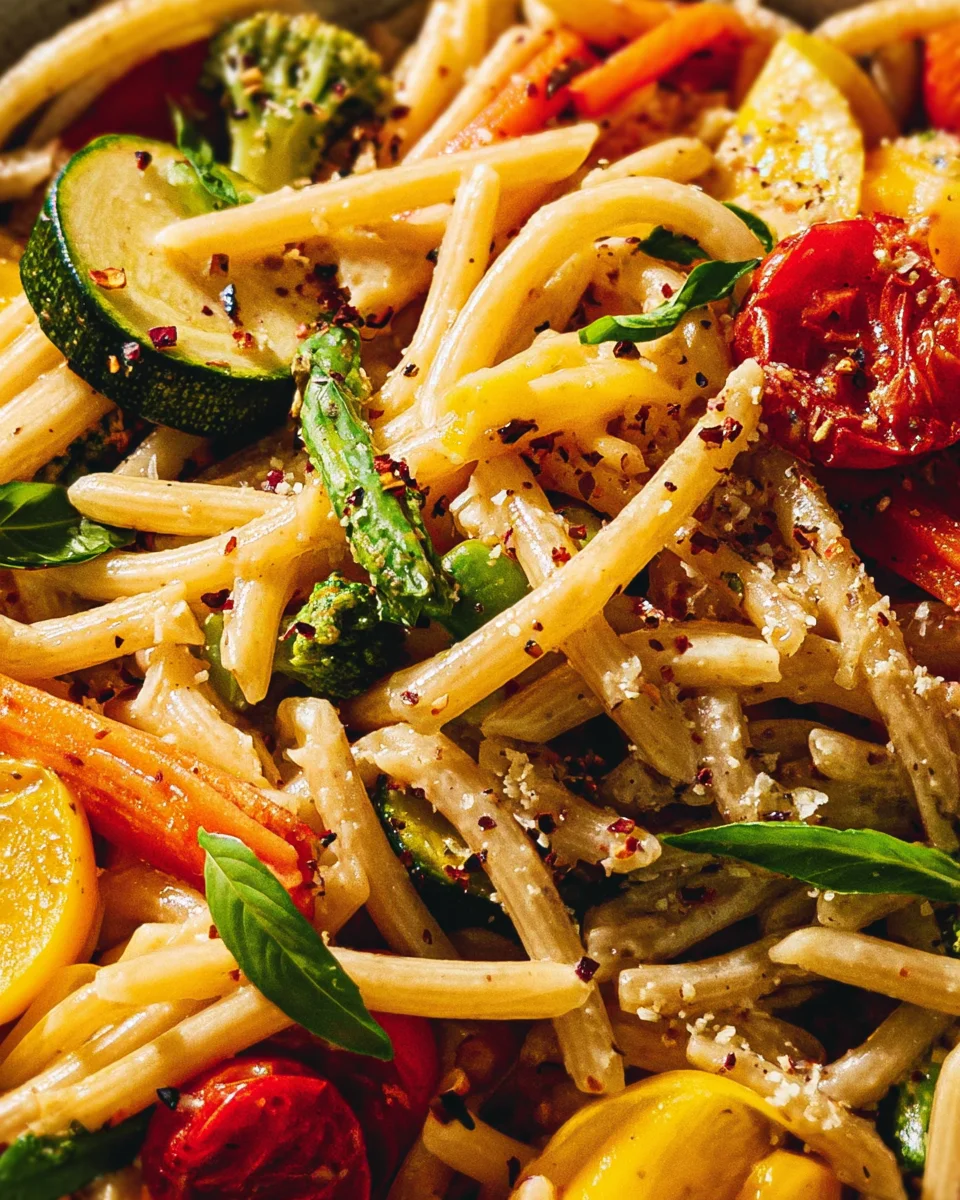
- 1 pound (about 450g) of your favorite pasta: I love using linguine or fettuccine for pasta primavera because their flat, wide surfaces really grab onto all those delicious vegetables and the light sauce. Spaghetti or even a shorter pasta like penne or fusilli would also work beautifully.
- 2 tablespoons extra virgin olive oil: Plus a little extra for drizzling at the end. Choose a good quality one; it really makes a difference in the fresh flavor.
- 1 medium yellow onion: Finely diced. You could also use two shallots for a slightly milder, sweeter flavor.
- 4-5 cloves garlic: Minced. Garlic is crucial here; don’t skimp!
- 1 bunch asparagus: About 1 pound (450g). Trimmed and cut into 1-inch pieces. I always snap off the woody ends – they’ll naturally break where they should.
- 1 head broccoli: Cut into small florets. About 2 cups worth. If you prefer, you can use broccolini instead.
- 1 medium red bell pepper: Cored, seeded, and cut into thin strips or small dice. The red adds such a lovely pop of color!
- 1 medium yellow bell pepper: Cored, seeded, and cut into thin strips or small dice. More color, more flavor!
- 1 medium zucchini: Halved lengthwise and then sliced into thin half-moons. No need to peel!
- 1 pint (about 2 cups) cherry tomatoes: Halved. Grape tomatoes work just as well.
- 1 cup frozen peas: Thawed. You can run them under warm water for a minute or two if you’re in a hurry, or just let them sit out while you prep everything else.
- 4-5 ounces fresh baby spinach: About 5-6 cups loosely packed. This adds a lovely freshness and wilted texture at the very end.
- 1/2 cup vegetable broth: Or chicken broth if you prefer, for a little extra body in the sauce.
- 1/2 cup freshly grated Parmesan cheese: Plus more for serving. Freshly grated is key – pre-grated cheese often contains anti-caking agents that can make it clump.
- Zest of 1 lemon: And the juice of half a lemon. This really brightens up all the flavors!
- 1/4 cup fresh basil: Roughly chopped. A generous handful.
- 1/4 cup fresh parsley: Roughly chopped. Another generous handful.
- 1/2 teaspoon red pepper flakes: Optional, but I love the subtle warmth it adds. Adjust to your spice preference!
- Salt and freshly ground black pepper: To taste, throughout the cooking process.
Prepping Our Wonderful Veggies:
- Get your cutting boards ready! The first step to a successful “Pasta Primavera,” which literally means “spring pasta,” is to have all your beautiful vegetables prepped and ready to go. This dish is all about fresh, vibrant produce, so a little attention to detail here goes a long way.
- The onion and garlic: Start by peeling your yellow onion and finely dicing it. Aim for small, even pieces so it cooks down nicely and disperses its flavor throughout the sauce without being too chunky. Next, peel your garlic cloves and mince them very finely. You can use a garlic press if you have one, or just finely chop them with a sharp knife. Set these aside in separate small bowls; they’ll be the first to hit the pan.
- Asparagus perfection: Take your bunch of asparagus and snap off the woody ends. A great trick is to hold each spear by both ends and bend it gently; it will naturally break where the tender part begins. Once trimmed, cut the asparagus spears into 1-inch pieces. This size is perfect for quick cooking and integrates well with the pasta.
- Broccoli florets: Wash your head of broccoli thoroughly. Using a sharp knife, carefully cut the broccoli into small, bite-sized florets. Try to keep them relatively uniform in size to ensure even cooking. If you have any thicker stems, you can peel them and slice them thinly too, but I usually stick to just the florets for this dish.
- Bell pepper power: Core and seed both your red and yellow bell peppers. Then, slice them into thin strips or, if you prefer, a small dice. The different colors not only look fantastic in the final dish but also offer subtle variations in sweetness.
- Zucchini slices: Wash your zucchini and trim off the ends. Slice it in half lengthwise, and then cut it into thin half-moon shapes. The goal here is thin pieces that will cook quickly and become tender-crisp.
- Cherry tomatoes and peas: Wash your cherry tomatoes and slice each one in half. If you’re using grape tomatoes, do the same. For the frozen peas, simply place them in a small bowl to thaw while you’re prepping everything else. No need to cook them at this stage; they’ll get plenty of warmth later.
- Fresh herbs: Wash your basil and parsley. Roughly chop them. I like to tear the basil leaves by hand for a more rustic look and to avoid bruising them, which can happen with a knife. Set these aside; they’re best added at the very end to preserve their fresh flavor.
- Lemon zest and juice: Before you forget, zest your lemon. Try to get just the bright yellow part, avoiding the bitter white pith. Then, slice the lemon in half and be ready to squeeze half of it into the dish later.
- Measure everything: Finally, measure out your vegetable broth, Parmesan cheese, and red pepper flakes (if using). Having everything portioned and within arm’s reach, a concept chefs call “mise en place,” will make the cooking process smooth and enjoyable.
Getting Our Pasta Just Right:
- Boil the water: Grab your largest pot and fill it with plenty of cold water. Place it on your stove over high heat and bring it to a rolling boil. This is a critical step: you need enough water for the pasta to swim freely, which prevents it from sticking together.
- Salt the water generously: Once the water is boiling vigorously, add a generous amount of salt. We’re talking at least a tablespoon, perhaps even two. The pasta water should taste like the sea! This is your only chance to season the pasta itself from the inside out, making a huge difference in the overall flavor of your “Pasta Primavera.” Don’t be shy!
- Add the pasta: Carefully add your chosen pasta to the boiling, salted water. Give it a good stir immediately to prevent it from clumping together.
- Cook to al dente: Cook the pasta according to the package directions, but always aim for “al dente.” This means it should be firm to the bite, not mushy. I usually start checking a minute or two before the package suggests. It’s better to undercook slightly, as it will continue to cook a tiny bit when combined with the hot sauce.
- Reserve pasta water: Before draining, make sure to reserve about 1 to 1.5 cups of the starchy pasta water. This liquid is a true goldmine! The starch in the water helps to emulsify with the olive oil and cheese, creating a glossy, silky sauce that clings beautifully to the pasta and vegetables. You’ll thank me later for this tip!
- Drain the pasta: Once al dente, drain the pasta thoroughly in a colander. Don’t rinse it! Rinsing washes away the starch that helps the sauce adhere. Set the drained pasta aside for now.
Building the Flavor Base: Sautéing the Primavera:
- Heat the pan: While your pasta is cooking or immediately after you’ve drained it, place a large, deep skillet or Dutch oven over medium-high heat. Add the 2 tablespoons of olive oil and let it shimmer.
- Sauté the aromatics: Add the finely diced onion to the hot oil. Sauté, stirring occasionally, for about 3-4 minutes until the onion starts to soften and become translucent. Don’t let it brown too much.
- Add the garlic and peppers: Next, add the minced garlic and the red pepper flakes (if using). Stir constantly for about 1 minute until the garlic is fragrant. Be careful not to burn it, as burnt garlic can taste bitter. Immediately follow with the diced red and yellow bell peppers. Sauté for another 3-4 minutes, allowing them to soften slightly but still retain a bit of crunch.
- Introduce the heartier greens: Now, it’s time for the asparagus and broccoli florets. Add them to the skillet and continue to sauté for about 4-5 minutes. Stir frequently. You want them to become tender-crisp and bright green. The key is to cook the vegetables just enough so they are tender but still have a lovely bite and vibrant color. We are not aiming for mushy vegetables here!
- Zucchini and tomatoes join the party: Add the sliced zucchini and halved cherry tomatoes to the pan. Sauté for another 3-4 minutes, stirring gently. The zucchini should start to soften, and the tomatoes will begin to release some of their juices, adding moisture and sweetness to the pan.
- Add broth and peas: Pour in the 1/2 cup of vegetable broth. This will help deglaze the pan, picking up all those flavorful browned bits from the bottom, and create a light sauce. Add the thawed frozen peas. Let it all simmer gently for about 1-2 minutes, just enough to warm through the peas and bring all the flavors together.
Bringing It All Together: The Grand Finale:
- Combine pasta and vegetables: Turn off the heat under the vegetable skillet. Add the drained pasta directly into the skillet with the sautéed vegetables.
- Introduce the spinach and lemon zest: Add the fresh baby spinach and the lemon zest to the skillet. Toss everything together using tongs. The residual heat from the pasta and vegetables will quickly wilt the spinach. Continue tossing until the spinach is just tender and incorporated.
- Create the creamy sauce: Sprinkle in the 1/2 cup of freshly grated Parmesan cheese. Squeeze in the juice from half a lemon. Now, start adding the reserved pasta water, a quarter cup at a time, tossing vigorously after each addition. The starchy water, combined with the olive oil and cheese, will create a luscious, light sauce that beautifully coats every strand of pasta and every piece of vegetable. You might not need all the reserved pasta water, or you might need a little more; the goal is a wonderfully glossy, coating sauce, not a watery one. Keep tossing until you achieve the desired consistency.
- Season and finish: Taste the “Pasta Primavera” and season generously with salt and freshly ground black pepper. Adjust any seasonings as needed. Remember, the pasta water was salted, and Parmesan cheese is salty, so taste before adding too much extra salt.
- Fold in fresh herbs: Finally, fold in the chopped fresh basil and parsley. These herbs add a burst of freshness and color right at the end.
Serving Suggestions and Extra Tips:
- Serve immediately: “Pasta Primavera” is best served fresh and hot, right after it’s made. The vibrant flavors and textures are at their peak.
- Garnish: Divide the pasta among serving bowls. For an extra touch of elegance and flavor, I love to drizzle each portion with a little more extra virgin olive oil and a generous sprinkle of additional freshly grated Parmesan cheese. A few extra fresh basil leaves wouldn’t hurt either!
- Make it your own: This recipe is incredibly versatile. Feel free to swap out or add other spring vegetables like snap peas, green beans, or even thinly sliced radishes for an unexpected crunch. You could also add grilled chicken or shrimp for a protein boost.
- A little richness: If you’d like a slightly richer sauce, you can add a tablespoon of unsalted butter along with the Parmesan cheese and lemon juice in step 27. It adds a lovely velvety texture without making it too heavy.
- Spice it up: If you love heat, don’t hesitate to add a bit more red pepper flakes, or even a dash of your favorite hot sauce at the table.
- For a creamier texture: While traditionally light, you could stir in a dollop of mascarpone cheese or a splash of heavy cream along with the pasta water for a creamier, more indulgent sauce, though this takes it away from the classic light primavera.
- Leftovers: Leftovers can be stored in an airtight container in the refrigerator for 2-3 days. When reheating, you might want to add a splash of vegetable broth or a little more olive oil to loosen the sauce and revive the flavors.
- Embrace the season: The beauty of “Pasta Primavera” truly lies in using the freshest, in-season vegetables you can find. Visit your local farmers market and let the bounty of spring inspire your choice of ingredients! Each bite should be a celebration of fresh produce, combined with perfectly cooked pasta and a light, flavorful sauce.
Conclusion:
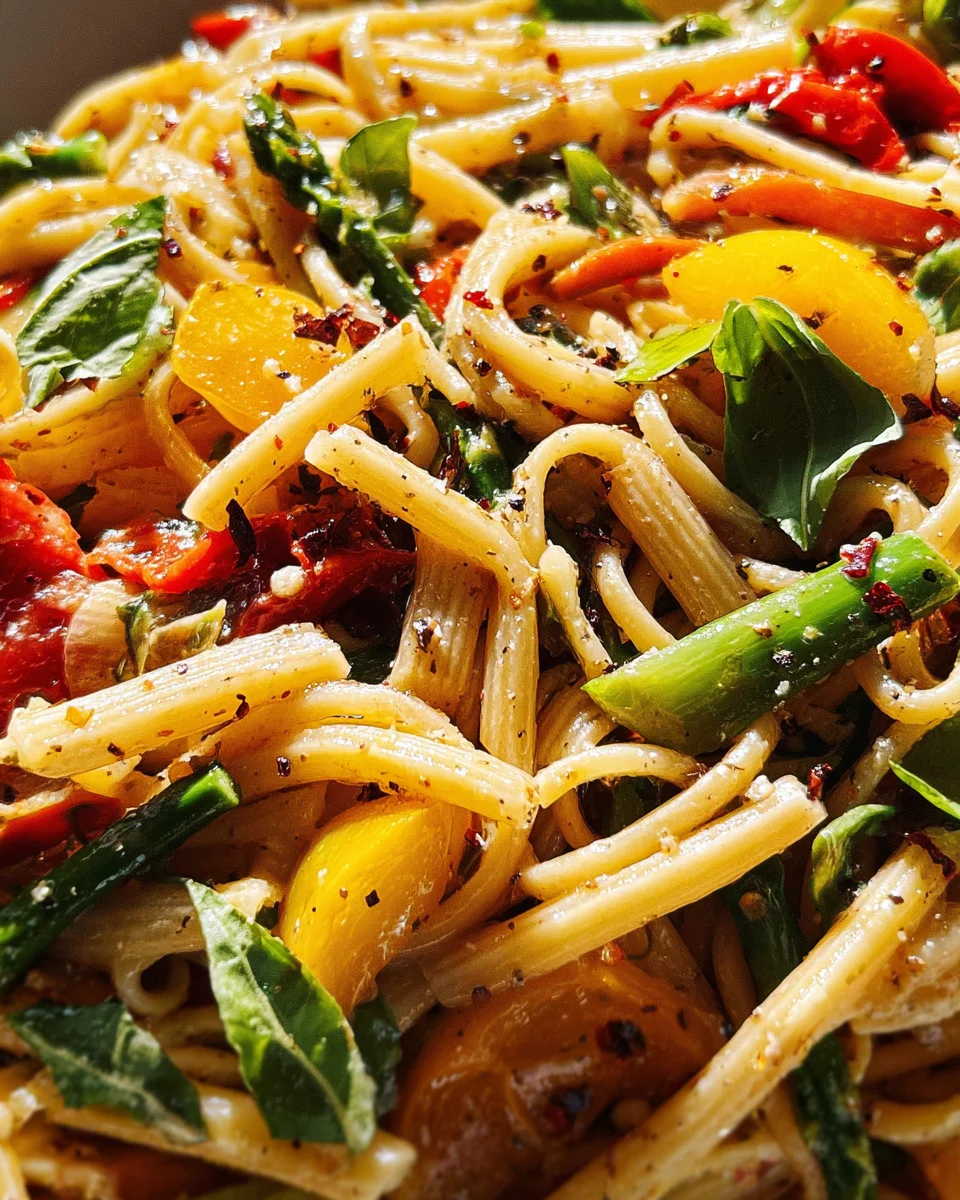
Well, my friends, we’ve reached the delicious culmination of our culinary journey! I truly hope you’re feeling inspired and ready to bring this incredible dish to life in your own kitchen. After all we’ve discussed, I think it’s abundantly clear why this recipe isn’t just another meal, but a guaranteed crowd-pleaser and a personal triumph. This isn’t merely a collection of ingredients; it’s a vibrant celebration on a plate, a testament to the power of fresh produce, and a truly satisfying experience from the first enticing aroma to the very last bite. The ease with which you can transform humble vegetables and pasta into something so extraordinarily flavorful is, quite frankly, magic. It’s a dish that effortlessly marries health and indulgence, proving that truly delicious food doesn’t have to be complicated or heavy. Every forkful offers a delightful interplay of textures – the tender-crispness of perfectly cooked vegetables, the comforting chew of al dente pasta, and the bright, herbaceous sauce that ties everything together. It’s a meal that genuinely feels good to eat, nourishing both body and soul, and that, to me, makes it an absolute must-try. You simply deserve to experience this delightful creation firsthand.
Now, let’s talk about how to make this culinary experience even more wonderful, or how to put your own unique spin on it. While this recipe provides a fantastic foundation, its inherent versatility is one of its greatest strengths.
Serving Suggestions for Maximum Enjoyment:
To fully appreciate this vibrant dish, I recommend serving it alongside something equally simple and delightful. A warm, crusty loaf of artisanal bread, perhaps brushed with a little garlic butter, is perfect for soaking up any lingering sauce. Alternatively, a light, crisp green salad dressed with a bright vinaigrette offers a refreshing counterpoint, enhancing the fresh flavors of the pasta. For a truly sophisticated pairing, consider a chilled glass of crisp white wine – a Sauvignon Blanc or an unoaked Chardonnay would be fantastic – or even a sparkling rosé. However, don’t underestimate its power as a standalone meal; it’s so complete and satisfying that it truly shines all on its own.
Endless Variations to Make It Your Own:
This is where the real fun begins! The beauty of this recipe lies in its adaptability.
Protein Power-Ups:
If you’re looking to add some extra oomph, grilled chicken breast, pan-seared shrimp, or even some crumbled Italian sausage (mild or spicy, depending on your preference) would be magnificent additions. For a plant-based protein boost, consider tossing in some cooked chickpeas, cannellini beans, or even pan-fried tofu cubes. Just cook your chosen protein separately and gently fold it into the finished pasta right before serving.
Veggie Swaps and Additions:
Don’t feel constrained by my suggestions! This is your canvas. Asparagus spears, snow peas, green beans, or even wilted spinach or kale can be fantastic. Sun-dried tomatoes (oil-packed, drained and sliced) add a concentrated burst of flavor, while quartered artichoke hearts or thinly sliced zucchini and yellow squash can bring new dimensions. Remember to adjust cooking times for any new vegetables, ensuring they retain a pleasant, tender-crisp texture.
Cheese and Herb Enhancements:
While Parmesan is classic, feel free to experiment with other cheeses. Crumbled feta, fresh mozzarella pearls, or even a dollop of creamy goat cheese can elevate the flavor profile. As for herbs, fresh basil, oregano, or a touch of marjoram can provide different aromatic notes. A spoonful of pesto stirred in at the end can also add incredible depth and a lovely green hue.
Sauce and Spice Twists:
For a slightly richer sauce, you could stir in a tablespoon or two of cream or crème fraîche at the very end. A squeeze of fresh lemon juice just before serving brightens everything beautifully, and if you like a little heat, a pinch of red pepper flakes is always welcome.
Pasta Personalization:
Don’t limit yourself to one type of pasta. While spaghetti or linguine are great, penne, fusilli, farfalle (bow-tie), or even a short, tubular pasta like rigatoni would work wonderfully, each offering a different texture and way to catch those delicious vegetables and sauce.
Ultimately, this take on Pasta Primavera is more than just a recipe; it’s an invitation to explore, to create, and to truly enjoy the process of cooking. I am genuinely excited for you to experience the joy of preparing and savoring this magnificent dish. I encourage you, wholeheartedly, to set aside some time this week, gather those beautiful fresh ingredients, and give this recipe a try. You won’t regret it! Once you’ve cooked it, tasted it, and perhaps even put your own unique spin on it, I would absolutely love to hear about your experience. Please, come back and share your thoughts in the comments below. Did you try a new vegetable? Add a different protein? What was your favorite part? Your culinary adventures and feedback inspire me and our entire community of home cooks. So go forth, cook with passion, and let’s celebrate the incredible flavors of fresh food together. Happy cooking, everyone!
Pasta Primavera: Fresh & Flavorful Spring Veggie Dish
Pasta Primavera – just hearing those two words evokes images of vibrant spring vegetables, perfectly al dente pasta, and a light, flavorful sauce that sings with freshness. This beloved classic, originating in New York City in the 1970s, transforms simple garden produce into something extraordinary, celebrating fresh ingredients with exceptional flavors from straightforward preparations.
Ingredients
Instructions
Important Information
Nutrition Facts (Per Serving)
It is important to consider this information as approximate and not to use it as definitive health advice.
Allergy Information
Please check ingredients for potential allergens and consult a health professional if in doubt.


Leave a Comment