
Vegetarian Meals That Feel Like Real Dinner
I know what you’re thinking. “Vegetarian meals? Do they really feel like dinner?” And my answer is a resounding YES! I’ve been there – trying to eat more plant-based meals, but sometimes feeling like something was missing, like I was eating a side dish instead of the main event. That’s precisely why I’m so excited about these recipes, designed specifically to banish that feeling forever.
What makes these “Vegetarian Meals That Feel Like Real Dinner” so special is their intentional focus on satisfaction, comfort, and the hearty robustness we crave from a traditional evening meal. This isn’t just about cutting out meat; it’s about elevating plant-based ingredients to create dishes that are truly substantial, deeply flavorful, and incredibly fulfilling. You’ll love these recipes because they provide genuine answers to the common dilemma of wanting to eat less meat without feeling deprived or still hungry an hour later. They are perfect for anyone looking to add more plants to their diet, impress skeptical family members, or simply enjoy a comforting, satisfying meal that just happens to be vegetarian.
So, what can you expect? We’re talking about meals packed with satisfying textures, rich, savory flavors, and hearty ingredients that will leave you feeling completely content and nourished. Think robust, slow-simmered sauces, substantial legumes and grains, umami-rich mushrooms, and perfectly cooked vegetables that take center stage, creating a depth of flavor and a fulfilling experience you’d typically associate with a traditional beef stew or a hearty pasta dish. I promise, after trying these, you’ll never again wonder if a vegetarian meal can truly hold its own at the dinner table. Get ready to discover your new favorite way to eat well, feel full, and absolutely love your plant-based plate.
Ingredient Notes
Crafting vegetarian meals that truly feel like a substantial, complete dinner hinges on selecting ingredients that offer depth, richness, and satiety. We’re moving beyond simple salads or light sides to create dishes that satisfy deeply, just like your favorite traditional dinner.
- Hearty Proteins & Legumes: These are your backbone. Think lentils (brown, green, or beluga for different textures), chickpeas, black beans, cannellini beans, kidney beans, and even edamame. For more structured protein, firm or extra-firm tofu (pressed and baked/pan-fried for crispy edges) and tempeh (fermented soybean cakes with a nutty flavor) are fantastic. Seitan, a wheat gluten-based protein, can mimic the texture of beef or chicken beautifully in stews and roasts.
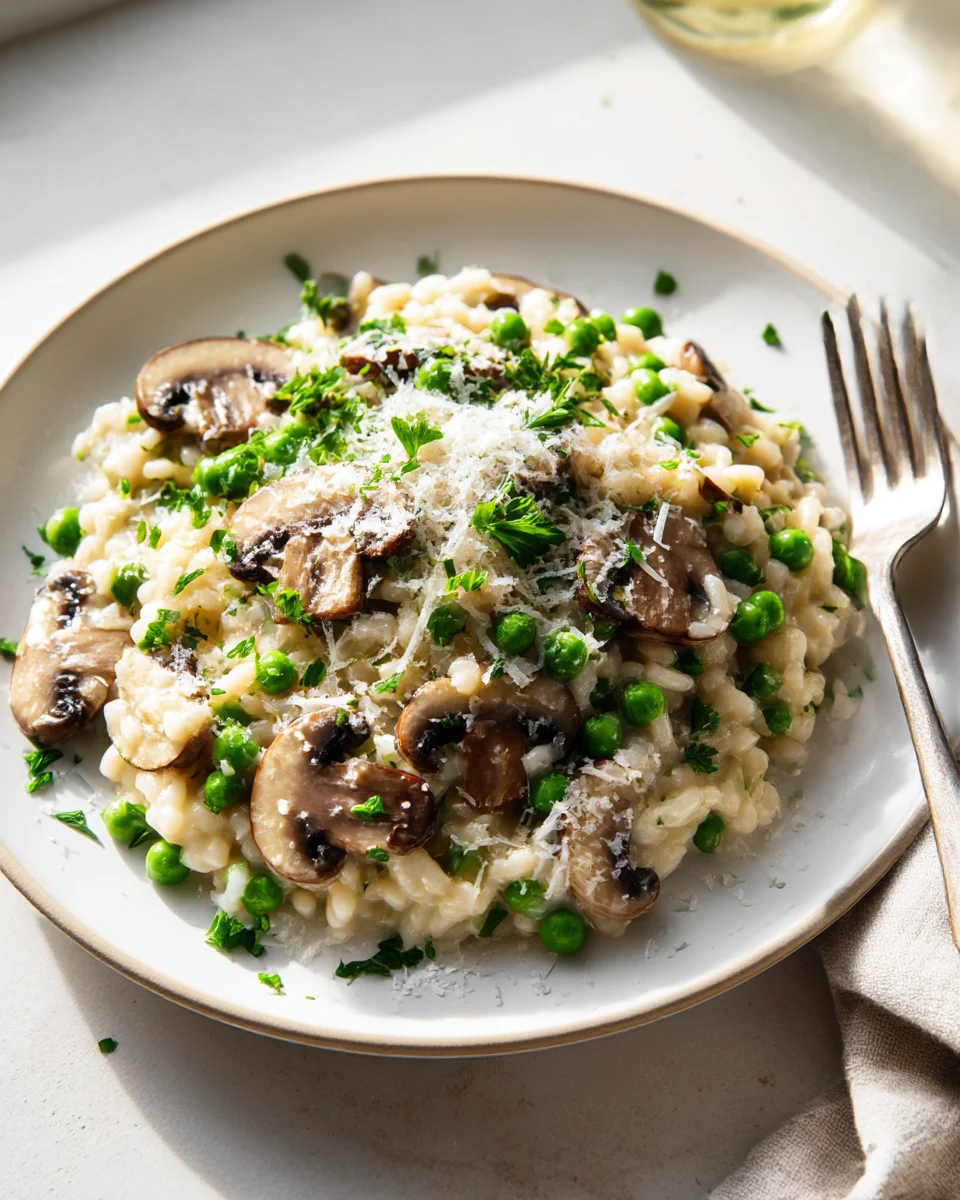
- Umami Powerhouses: This is where you build incredible flavor. Mushrooms, especially cremini, portobello, or dried porcini (rehydrated, with their soaking liquid used in the dish), bring a savory, meaty depth. Nutritional yeast provides a cheesy, savory note in sauces and sprinkles. Soy sauce or tamari (for gluten-free) offers salty umami, as do miso paste and tomato paste, which deepens flavor considerably when sautéed. Sun-dried tomatoes are another concentrated flavor bomb.
- Robust Vegetables: We want vegetables that hold up and contribute substance. Root vegetables like potatoes (sweet potatoes, russets, Yukon Golds), carrots, parsnips, and celery are excellent. Eggplant, zucchini, bell peppers, and hearty greens like kale or collard greens also add bulk and nutrients. Don’t shy away from roasted vegetables – they develop amazing sweetness and texture.
- Whole Grains: For texture and sustained energy, incorporate whole grains directly into your meal or serve alongside. Farro, quinoa, brown rice, barley, and even pasta (especially whole wheat or legume-based varieties) are perfect. They absorb flavors beautifully and add to the “full meal” sensation.
- Aromatics & Spices: Onions, garlic, and fresh ginger are non-negotiable foundations for almost any savory dish. Stock your pantry with a diverse array of dried herbs (oregano, thyme, rosemary, bay leaves) and spices (cumin, smoked paprika, chili powder, curry powder, coriander, garam masala). Fresh herbs like parsley, cilantro, dill, or basil as a finishing touch elevate freshness and brightness.
- Flavorful Liquids: Rich vegetable broth is essential for stews, soups, and sauces. Canned crushed tomatoes or diced tomatoes are also excellent bases for many dishes. A splash of non-alcohol cooking alternatives, like balsamic vinegar, red wine vinegar, or apple cider vinegar, can add a crucial layer of acidity and depth.
Substitutions:
- Legumes: If you don’t have chickpeas, most bean varieties can be swapped in (e.g., cannellini for great northern beans). Lentils are often interchangeable, though cooking times vary.
- Protein: Tofu can often be swapped for tempeh or seitan in recipes, adjusting cooking methods slightly. If a recipe calls for a specific textured protein and you prefer less processed options, consider increasing the amount of hearty vegetables and legumes.
- Grains: Most whole grains are quite flexible; if a recipe calls for farro, quinoa or brown rice would likely work as a substitute, adjusting liquid and cooking times.
- Umami: If you don’t have one specific umami booster, try combining a few others. For instance, if you’re out of miso, a little extra nutritional yeast and soy sauce can often fill the gap.
Step-by-Step Instructions
While “Vegetarian Meals That Feel Like Real Dinner” encompasses a vast array of recipes, the underlying methodology for building these satisfying dishes often follows a similar pattern. Here’s my general approach to creating a hearty vegetarian meal:
- Prep Your Ingredients: Before you even turn on the stove, get everything chopped, measured, and ready to go. This “mise en place” makes cooking smooth and enjoyable. Think about what needs to be diced, minced, or sliced. Press and cube your tofu, or slice your tempeh, if using.
- Build Your Flavor Base: In a large pot or Dutch oven, start by heating a good quality oil (olive, avocado, or coconut oil) over medium heat. Sauté your aromatics – typically diced onions, celery, and carrots – until softened, about 5-8 minutes. Add minced garlic and any fresh ginger, cooking for just another minute until fragrant. This foundational layer is critical for depth.
- Layer in Spices & Tomato Paste: Stir in your chosen dried spices (cumin, paprika, chili powder, etc.) and cook for 30 seconds to a minute, allowing them to bloom and release their aromas. Next, add a tablespoon or two of tomato paste. Cook it down for 2-3 minutes, stirring constantly, until it darkens slightly. This caramelization intensifies its flavor, making a huge difference.
- Incorporate Hearty Components: Now it’s time to add the stars of your “real dinner.” Pour in your vegetable broth and any canned tomatoes. Add your chosen legumes (drained and rinsed if canned), hearty vegetables like potatoes, parsnips, or eggplant, and any pre-cooked grains if they’re meant to simmer with the dish. If using tofu or tempeh, this is often when I’d add it, especially if it’s already been browned.
- Simmer to Perfection: Bring the mixture to a gentle boil, then reduce the heat to a simmer, cover, and cook until the vegetables are tender and the flavors have melded together beautifully. This could take anywhere from 20 minutes for quick-cooking vegetables and canned beans, to an hour or more for dried beans or tougher root vegetables. Stir occasionally to prevent sticking.
- Adjust Seasoning & Finishing Touches: Once everything is cooked through, taste and adjust the seasoning. This is your chance to add more salt, pepper, a dash of soy sauce or miso, a spoonful of nutritional yeast, or a splash of non-alcohol vinegar for brightness. If using fresh herbs like parsley or cilantro, stir them in right before serving for a burst of fresh flavor. A drizzle of good olive oil or a sprinkle of toasted nuts or seeds can add richness and texture.
- Serve and Enjoy: Ladle your hearty vegetarian meal into bowls. Depending on the dish, you might serve it with a side of crusty bread, a dollop of plant-based yogurt, or over a bed of fluffy quinoa or brown rice.
Tips & Suggestions
To ensure your vegetarian meals consistently deliver that “real dinner” satisfaction, keep these tips in mind:
- Embrace Umami: This is perhaps the most crucial element for making vegetarian food deeply satisfying. Don’t be shy with ingredients like mushrooms (fresh or dried), tomato paste, soy sauce/tamari, nutritional yeast, miso paste, and even a little smoked paprika. These ingredients create a savory depth that can sometimes be missed in meatless cooking.
- Layer Your Flavors: Don’t just dump all ingredients in at once. Sauté aromatics first, bloom spices in hot oil, caramelize tomato paste, and then add liquids and other ingredients. Each step builds complexity and depth.
- Focus on Texture: A truly satisfying meal has a variety of textures. Think creamy beans, chewy grains, tender-crisp vegetables, and perhaps a crunchy topping (toasted nuts, seeds, or croutons). For tofu, pressing and baking or pan-frying it until golden and crispy makes a huge difference compared to soft, unseasoned cubes.
- Protein Power: Ensure your meal has a substantial protein source. Whether it’s lentils, beans, tofu, tempeh, or seitan, adequate protein contributes to fullness and satiety, preventing you from feeling hungry shortly after eating.
- Healthy Fats for Fullness: Incorporate healthy fats like olive oil, avocado, nuts, seeds, or coconut milk (in appropriate dishes). Fats not only carry flavor but also contribute significantly to the feeling of being satisfied and full.
- Roast Your Vegetables: Instead of just steaming or boiling, try roasting vegetables like potatoes, carrots, broccoli, cauliflower, or brussels sprouts. Roasting brings out their natural sweetness and creates delicious caramelization, adding another layer of flavor and texture to your meal.
- Don’t Forget Acidity: A squeeze of lemon or lime juice, a splash of vinegar (balsamic, red wine, or apple cider), or even some pickled onions can brighten up a rich dish and balance out flavors, preventing it from feeling heavy or one-note.
- Meal Prep for Success: Many hearty vegetarian meals, like chilis, stews, curries, and lentil loaves, are excellent for meal prep. Cook a large batch on the weekend, and you’ll have satisfying dinners ready to heat throughout the week. Some dishes even taste better the next day!
Storage
Proper storage is key to enjoying your vegetarian meals for days to come, and many hearty vegetarian dishes, like stews and chilis, actually taste even better after a day or two as the flavors have more time to meld.
- Refrigeration:
- Allow your cooked meal to cool down to room temperature within two hours of cooking.
- Transfer the meal to airtight containers. This prevents spoilage and keeps out other refrigerator odors.
- Store in the refrigerator for up to 3-4 days.
- When reheating, ensure the food is heated through completely until steaming hot. You can use a microwave, stovetop, or oven depending on the dish. For stovetop or oven reheating, a splash of water or vegetable broth can help rehydrate the dish and prevent drying.
- Freezing:
- Most hearty vegetarian meals, especially those with legumes, grains, and root vegetables (like chilis, stews, curries, and casseroles), freeze exceptionally well.
- Portion the cooled meal into freezer-safe airtight containers or heavy-duty freezer bags. If using bags, squeeze out as much air as possible to prevent freezer burn. Lay bags flat to freeze for easy stacking.
- Label containers with the dish name and date.
- Frozen meals typically maintain their quality for up to 3-4 months. Beyond that, they are usually still safe to eat but might experience a decline in texture or flavor.
- To thaw, transfer the frozen meal to the refrigerator overnight. For quicker thawing, you can use the defrost setting on your microwave or place the sealed container/bag in a bowl of cold water, changing the water every 30 minutes.
- Reheat thawed meals thoroughly using the methods described above.
- Tips for Best Results:
- For dishes with fresh herbs stirred in at the end, it’s often best to add these when serving or reheating, as they can lose their vibrant flavor and color during storage.
- If a dish includes ingredients that tend to get soggy (like some types of pasta if overcooked or fresh greens), consider cooking them slightly al dente or adding them fresh when reheating if possible.
- Always trust your nose and eyes. If a stored meal looks or smells off, it’s best to discard it.
Final Thoughts
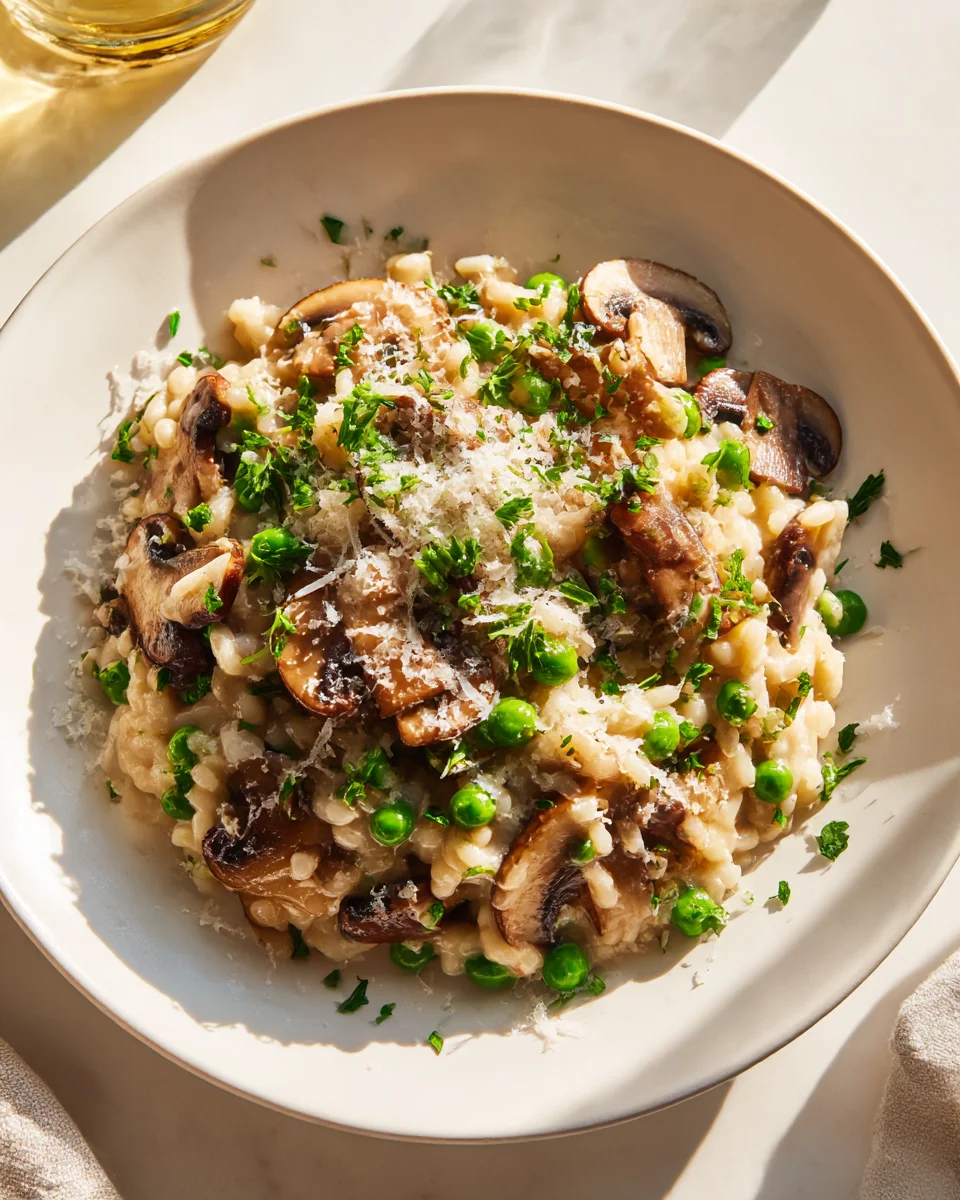
And there you have it! I genuinely hope you’ll embrace the delicious journey that is Vegetarian Meals That Feel Like Real Dinner. This isn’t just a collection of recipes; it’s a revelation, proving that satisfying, hearty, and truly memorable dinners can absolutely shine without beef, and with incredible depth achieved through thoughtful non-alcohol alternatives. Forget any old ideas about vegetarian food being light or lacking substance; these dishes are crafted to bring all the comfort, flavor, and fullness you expect from a fantastic evening meal. I’m so excited for you to try them and discover just how easily Vegetarian Meals That Feel Like Real Dinner will become your new go-to for inspiring, delicious, and utterly fulfilling meals. Happy cooking!


Leave a Comment